The Role of Music and Audio in Reducing Screen Dependence
The Role of Music and Audio in Reducing Screen Dependence
Why Screens Become the Default So Easily
Screens often step in during moments when families need something simple, predictable, and engaging. A show during breakfast. A video during car rides. A tablet during downtime. Over time, these small choices add up — and screens quietly become the default response to boredom, transition, or fatigue.
Reducing screen dependence doesn’t start with taking devices away. It starts with offering something else that meets the same needs. Music and audio do exactly that — without the visual pull that makes screens so hard to disengage from.
Audio fills space without demanding attention. And that difference matters more than most families realize.


How Audio Engages the Brain Differently Than Screens
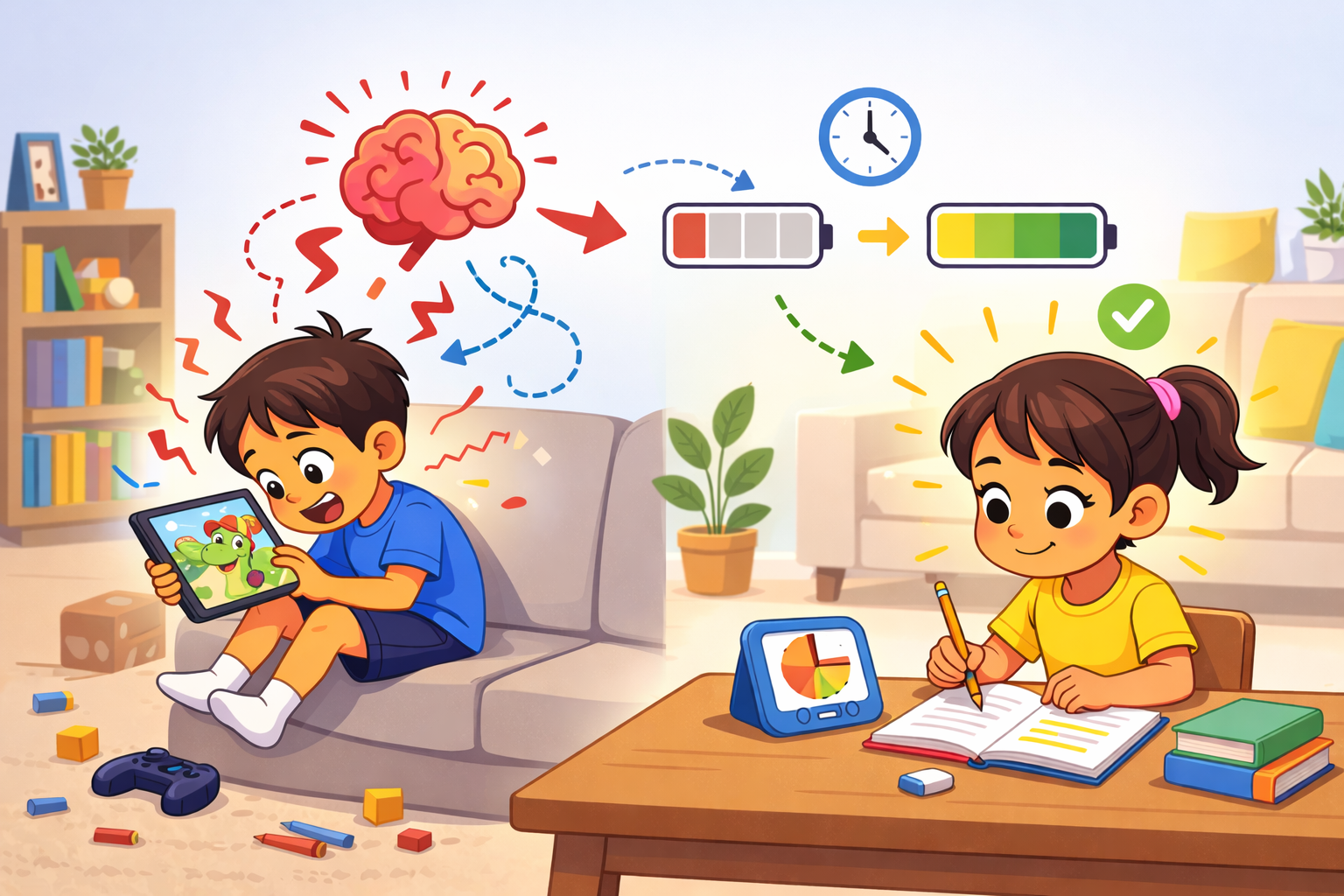
Screens dominate attention by combining movement, color, sound, and rapid change. Audio engages a narrower sensory channel, which gives the brain more flexibility.
When kids listen to music or audio:
Visual attention is freed for play or rest
Cognitive load is lower
Imagination stays active
Self-regulation is easier to maintain
Because audio doesn’t hijack visual focus, it supports engagement without overcontrol — a key factor in reducing reliance on screens.
Why Kids Often Ask for Screens When They Really Want Stimulation
Children don’t usually ask for screens because they want screens. They ask because they want stimulation, comfort, or familiarity.
Screens often provide:
Predictable sensory input
Emotional regulation
Relief from boredom
A sense of structure
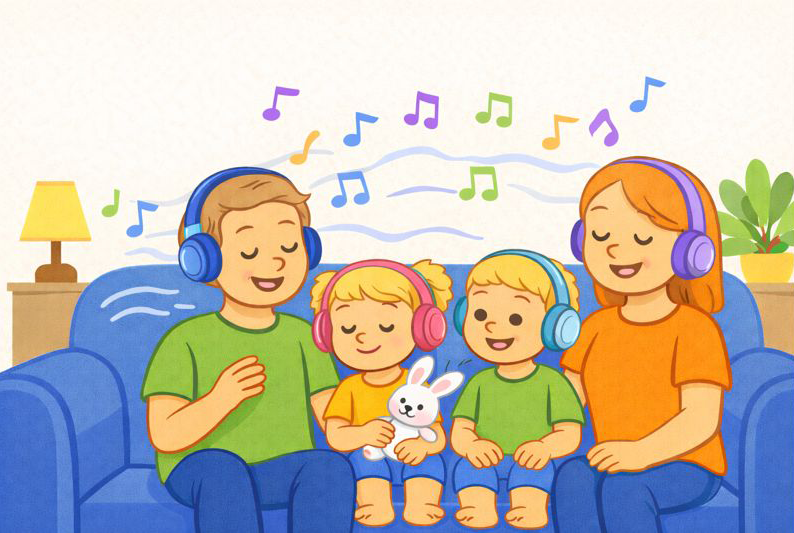
Music and audio meet many of these same needs — but in a gentler way that keeps kids connected to their environment instead of pulling them away from it.
Music as an Emotional Regulator
Music has a direct and well-documented effect on mood, energy, and emotional regulation. Children often respond to music instinctively — long before they can articulate how it helps them feel.
A calming song can slow breathing and ease frustration. An upbeat rhythm can lift low energy or encourage movement. Familiar melodies can provide comfort during transitions or unfamiliar situations. Unlike screens, music supports emotional shifts without overwhelming attention or demanding visual focus.
For families working to reduce screen dependence, music offers regulation without replacement anxiety — kids still feel supported rather than deprived.
Audio as a Bridge Away From Visual Media
For families reducing screen dependence, audio works best as a replacement, not a reward.
Common screen-to-audio swaps include:
Music during meals instead of background TV
Audiobooks during rest time instead of videos
Playlists during cleanup instead of cartoons
Supporting Focus and Play With Background Audio
Unlike background screens, background audio tends to support — not fragment — attention. When chosen intentionally, it can extend focus during play.
Children often:
Play longer with music on
Stay engaged in imaginative scenarios
Transition between activities more smoothly
This contrast becomes clearer when compared to patterns discussed in Screen Time by Age: What’s Healthy and What’s Not, where visual overstimulation impacts younger brains more intensely.
Using Audio to Reduce Morning and Evening Screen Reliance
Mornings and evenings are prime screen-trigger moments. Families are tired, rushed, or seeking calm — and screens often feel like the fastest solution.
Audio supports these times by offering structure without stimulation. Gentle music in the morning can help kids wake gradually. Calm audio in the evening supports winding down without the visual intensity that delays rest.
This rhythm mirrors ideas in Sleep and Screens: What Parents Need to Know, where reducing visual input protects regulation and sleep quality.
Letting Kids Help Shape the Sound Environment
Children are far more likely to embrace audio as a screen alternative when they feel ownership over it.
Families often invite kids to:
Choose between playlists
Pick audiobooks or stories
Decide when music starts or stops
This shared decision-making builds cooperation and reduces power struggles — without turning audio into another tightly controlled activity.
Creating Audio-First Spaces at Home
Environment quietly shapes habits. When screens are always visible and audio tools are not, screens win by default.
Helpful environment shifts include:
Keeping speakers accessible in shared rooms
Removing TVs from play spaces
Charging devices outside common areas
These changes pair naturally with Creating Screen-Free Zones at Home, where space — not enforcement — supports healthier media habits.
Watching Screen Dependence Decrease Over Time
When audio becomes part of daily routines, something subtle happens: kids stop reaching for screens as often.
Parents commonly notice:
Fewer screen requests during downtime
Easier transitions away from devices
Longer independent play
Calmer household energy
These shifts don’t require strict limits or constant reminders — they emerge naturally when kids’ needs are met in gentler ways.
Replacing Screens Without Losing Comfort or Joy
Reducing screen dependence doesn’t mean removing comfort, creativity, or fun. Music and audio offer all three — without the visual intensity that makes screens so dominant.
Families who lean into audio often experience more flexible routines, fewer screen-related conflicts, and a calmer sensory environment overall. Kids still feel engaged. Parents still get breathing room. And screens quietly lose their grip.
This content is for educational purposes and is not a substitute for professional medical or psychological advice.