Why Co-Viewing Is Better Than Screen Policing
Why Co-Viewing Is Better Than Screen Policing
Moving From Control to Connection
For many families, screen time quickly turns into a policing role. Parents monitor minutes, enforce rules, and step in when something feels off. While boundaries matter, constant policing can create tension, secrecy, and power struggles — especially as kids grow older.
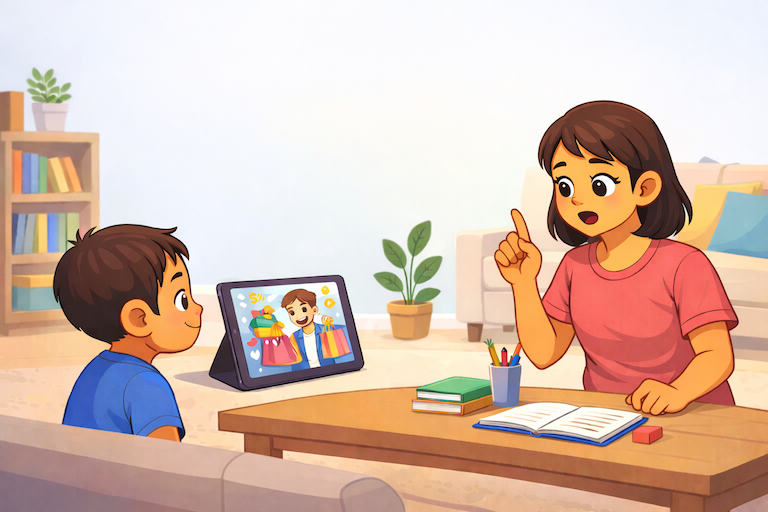
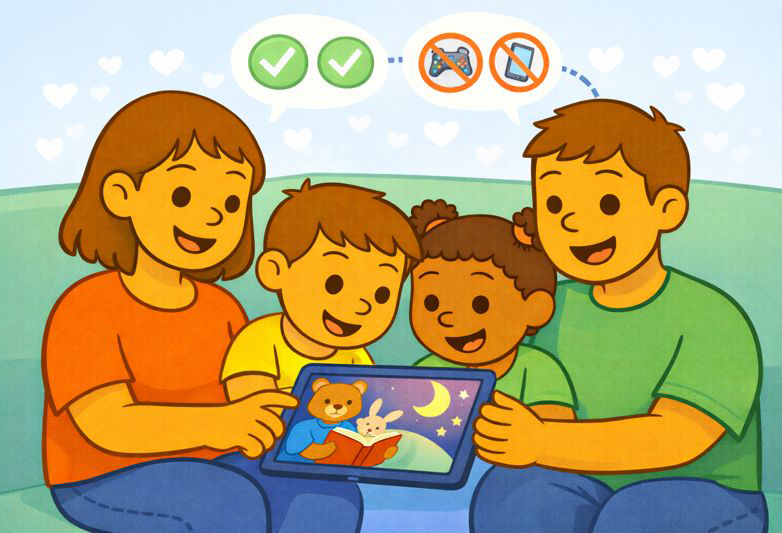
Co-viewing offers a different path. Instead of standing guard, parents sit alongside. They watch, listen, and engage. This shift transforms screens from something to control into something to understand together.
The result isn’t permissiveness. It’s partnership — and that partnership changes how kids experience media.


What Co-Viewing Actually Means
Co-viewing doesn’t mean watching everything your child watches or hovering over every interaction. It means being present enough to share context and conversation.
Co-viewing can look like:
Sitting nearby during a show or game
Watching a few minutes and asking gentle questions
Joining at the beginning or end of screen time
Talking about what’s happening without interrupting
Presence matters more than duration. Even brief moments of shared attention can deepen understanding and trust.
Why Screen Policing Often Backfires
Screen policing focuses on catching problems after they happen. Over time, this approach can make kids feel monitored rather than supported.
Common outcomes of heavy policing include:
Kids hiding or minimizing screen use
Increased defensiveness around devices
Fewer honest conversations
More power struggles
When kids feel watched, they’re less likely to ask questions or admit confusion. Co-viewing, by contrast, invites openness before issues arise.
How Co-Viewing Builds Media Awareness
When parents co-view, children learn how to interpret media — not just how to follow rules.
Through shared viewing, kids learn to:
Notice storytelling techniques
Identify emotions and motivations
Recognize advertising or persuasion
Think critically about what they see
These skills grow naturally through conversation and curiosity, reinforcing ideas explored in The Hidden Power of Co-Viewing: Watching Together Builds Connection.
Supporting Emotional Learning Through Shared Screens
Media often brings up feelings — excitement, fear, jealousy, or empathy. Co-viewing allows adults to help kids process those emotions in real time.
During shared moments, parents can:
Name emotions they notice
Normalize big feelings
Offer reassurance when needed
Connect stories to real-life experiences
This emotional scaffolding helps children feel safe and understood, turning screen time into a learning opportunity rather than a source of overwhelm.
Helping Kids Learn What “Appropriate” Looks Like
Kids don’t always know why certain content feels uncomfortable or confusing. Co-viewing provides context without lectures.
Parents can gently model decision-making by:
Explaining why some content isn’t a good fit yet
Talking through confusing scenes
Adjusting content together when needed
These conversations align closely with How to Choose Safe, Age-Appropriate Media for Kids, where guidance replaces guesswork.
When kids understand the reasoning, boundaries feel supportive instead of arbitrary.
Co-Viewing Reduces the Need for Constant Monitoring
One of the biggest benefits of co-viewing is that it reduces the need to check histories, peek over shoulders, or enforce rules reactively.
Co-viewing works because:
Parents understand what kids are drawn to
Kids feel comfortable asking questions
Expectations are clarified early
Trust grows over time
As trust builds, monitoring becomes occasional rather than constant — a shift that benefits everyone.
Making Transitions Easier Through Shared Endings
Ending screen time is often harder than starting it. Co-viewing helps because parents are already part of the experience.
Shared endings can include:
Talking about what just happened
Naming a favorite moment
Previewing what comes next offline
Giving clear, calm signals that time is ending
These practices pair naturally with Helping Kids Transition Away from Screens Peacefully, where predictability and connection reduce resistance.
Modeling Healthy Media Habits in Real Time
Co-viewing gives parents a chance to model how to engage with media thoughtfully — not passively.
Modeling might include:
Pausing to comment or reflect
Choosing to stop when something feels off
Showing curiosity rather than judgment
Demonstrating balance
This modeling reinforces lessons from Digital Role Modeling: How Your Own Habits Shape Theirs, where children learn by watching everyday choices.
When Policing Is Still Necessary
Co-viewing doesn’t eliminate the need for boundaries. Some situations still require firm limits, especially around safety or sleep.
Policing may still be appropriate when:
Content is clearly unsafe or inappropriate
Devices are used secretly or excessively
Agreements are repeatedly broken
The difference is that co-viewing creates a foundation of trust, making enforcement feel fair and understandable when it’s needed.
Choosing Relationship Over Control
The goal of media guidance isn’t perfect compliance — it’s long-term understanding. Co-viewing prioritizes relationship, conversation, and learning over constant supervision.
Families who lean into co-viewing often notice:
More open communication
Less secrecy around screens
Stronger critical thinking skills
Greater mutual trust
At Fuzzigram, we believe kids don’t need to be watched all the time to make healthy choices. They need guidance, presence, and adults willing to sit beside them — not stand guard.
When families choose co-viewing over screen policing, screens stop being the battleground — and start becoming another place where connection can grow.
This content is for educational purposes and is not a substitute for professional medical or psychological advice.