Creative Valentine’s Cards Kids Can Make
Creative Valentine’s Cards Kids Can Make
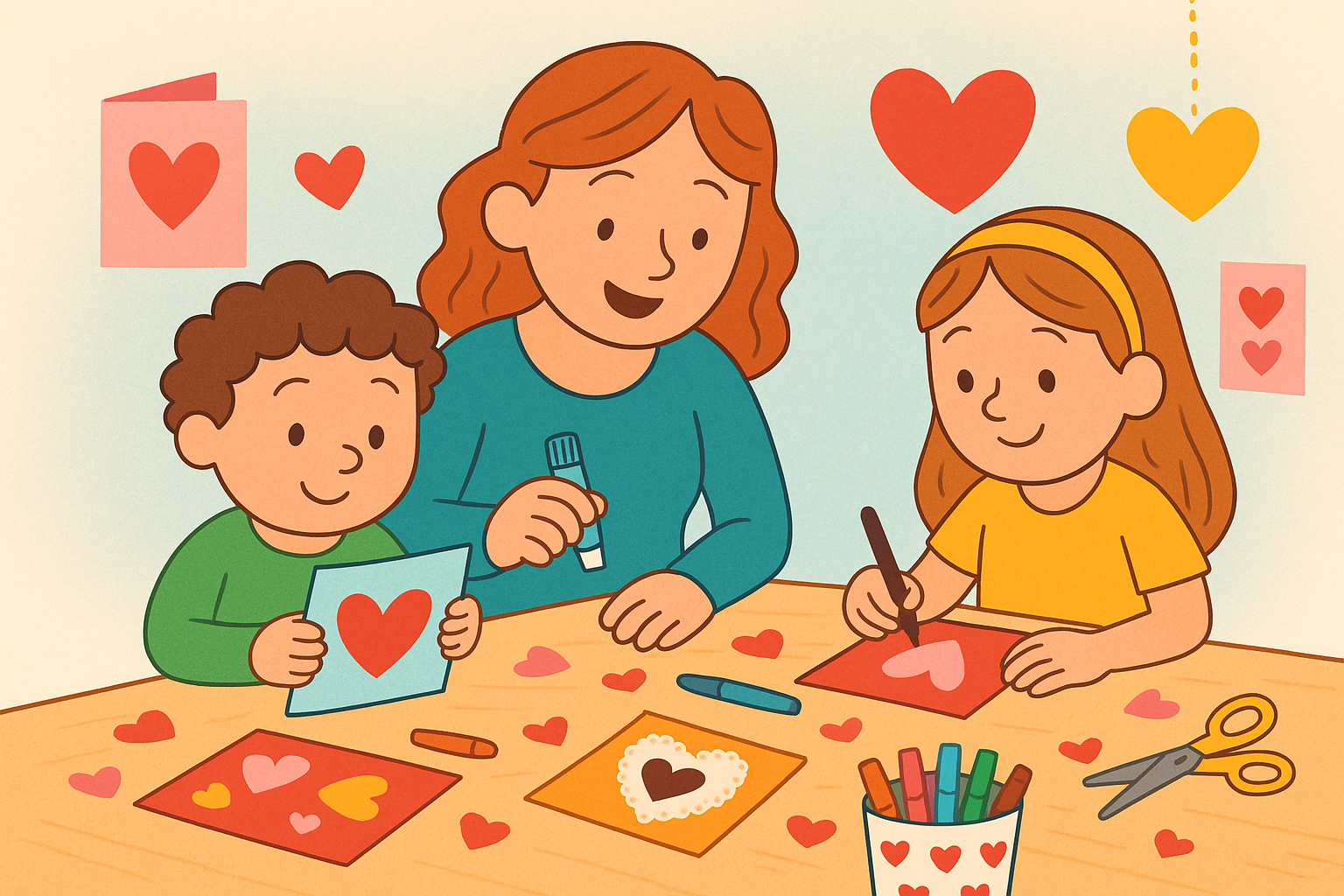
Why Homemade Valentine’s Cards Feel Extra Special
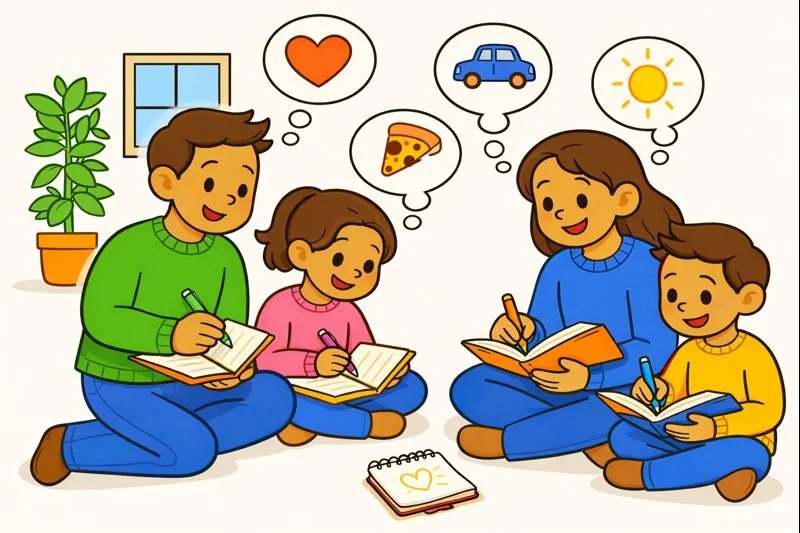
Valentine’s Day offers families a simple yet meaningful opportunity to slow down, create, and express affection in a way that feels personal and heartfelt. While store-bought cards are convenient, homemade Valentine’s cards carry an emotional weight that children instinctively understand. When kids cut, color, glue, and decorate with their own hands, they’re not just making cards — they’re crafting love in a language uniquely theirs.
Parents often find that making cards becomes a calming family activity, especially during seasons where life feels busy or overstimulating. The process invites creativity, connection, and conversation. Kids take pride in their creations, and recipients feel the warmth embedded in each handmade detail. Homemade cards also reflect the values families want to cultivate: gratitude, thoughtfulness, and emotional expression.


How Valentine’s Crafting Supports Child Development
Crafting might look like simple fun, but it is packed with developmental benefits. As children plan, create, and decorate their cards, they practice:
Fine motor skills through cutting, drawing, and gluing
Patience and focus as they build their designs
Emotional expression through color and symbols
Creativity and storytelling
Early literacy when writing their messages
Card-making also helps children strengthen empathy. They learn to think about how the recipient might feel, what message to write, and what colors or symbols best represent their relationship. This emotional awareness reflects the same mindfulness nurtured during activities like Teaching Kids to Say Thank You With Heart, where connection and sincerity guide their choices.
Setting Up a Stress-Free Valentine’s Craft Space
A successful crafting experience starts with a thoughtfully prepared space — not perfect, just intentional. A calm environment helps children stay engaged without feeling overwhelmed.
Consider:
A small table or floor mat
Soft background music
A tray or box for materials
A plate or bowl for small items like stickers or buttons
Easy-to-clean surfaces
Try presenting materials in an inviting way: colorful papers fanned out, tools arranged neatly, glue and markers within reach. This setup sparks curiosity and reduces the “Where is everything?” frustration that can interrupt creativity.
Keeping the space simple mirrors the gentle, grounding atmosphere families create in activities like Creating a Cozy Family Mood Night in Winter, where environment supports emotional ease.
Essential Supplies You Already Have at Home
Parents often assume that great Valentine’s cards require specialty materials, but everyday items offer endless creative possibility. Before purchasing anything, take a look around your home:
Scrap paper, construction paper, cardstock
Safety scissors
Glue sticks or white glue
Crayons, markers, colored pencils
Tape and ribbon scraps
Magazines for cutting out shapes
Cotton balls, foil, tissue paper
Buttons, yarn, fabric bits
You might also include optional “special materials” to elevate excitement:
Heart-shaped doilies
Washi tape
Glitter glue (easier than loose glitter)
Stickers in Valentine colors
Decorative hole punchers
Kids thrive when materials feel open-ended — not too scripted, not too limited. The goal is opportunity, not perfection.
Card Idea #1: The “Peekaboo Heart” Card
This simple but delightful card invites interaction. Children love cards that open, reveal, or surprise.
How to make it:
Fold a piece of cardstock in half.
Cut a heart shape out of the front panel (parents can assist).
Glue a piece of tissue paper, cellophane, or decorated paper behind the opening.
Add drawings or stickers around the heart.
Write a sweet message inside.
Children enjoy watching their hidden design appear when the card is opened. This project builds independence because they can personalize every step.
Card Idea #2: Fingerprint Love Bugs
Fingerprint art is irresistible to young children and charming for loved ones to receive.
Steps:
Press fingertips into washable paint or ink pads.
Stamp the fingerprints onto cardstock to form hearts, ladybugs, bees, or butterflies.
Draw simple features: antennae, wings, smiles.
Add puns like:
“You’re my love bug!”
“Bee mine!”
These cards preserve a tiny moment in time — the size of a child’s hand, their sense of humor, their creative spark. Fingerprint cards work wonderfully for grandparents or teachers.
This kind of sensory-rich creativity mirrors the hands-on exploration encouraged in How to Create a Family “Seasonal Play Bin”, where kids learn through materials and textures.
Card Idea #3: The Ribbon-Weave Heart
This project introduces children to weaving — a skill that strengthens fine motor control and focus.
How to make it:
Cut a heart shape from cardstock.
Cut horizontal slits across the heart.
Weave ribbon, yarn, or paper strips through the slits.
Glue ends on the back.
Attach the finished heart to the front of a folded card.
Weaving can be calming for kids who enjoy repetitive motion. The finished design looks impressively intricate while remaining very achievable.
Card Idea #4: Nature-Inspired Valentine Cards
Nature provides beautiful textures and shapes that children love to explore. These cards are especially meaningful when made during a mindful family outing.
Ideas:
Glue pressed leaves or petals into heart shapes
Use twigs to create borders
Make a “love bouquet” from small dried flowers
Trace outdoor textures (tree bark, bricks) as a background
This project pairs wonderfully with a walk that encourages noticing — much like the practice described in Family Gratitude Walks and Reflections, where kids learn to see beauty in everyday surroundings. Nature cards feel earthy, sensory, and deeply heartfelt.
Card Idea #5: The Pop-Up Valentine
Pop-up cards look fancy but are surprisingly doable with a bit of guidance.
How to make it:
Fold cardstock in half.
Cut two small parallel slits on the fold.
Push the cut section inward to form the pop-up tab.
Decorate the tab with a heart or character.
Add illustrations around the pop-up feature.
Kids love the “wow” factor — a card that springs to life. Pop-ups offer lots of room for storytelling and imaginative design.
Helping Kids Write Messages From the Heart
Once the decorating is done, the message is what truly personalizes the card. For young children, writing can feel intimidating, so gently guide them while respecting their voice.
You can help them:
Dictate a message for you to write
Copy simple words or phrases
Draw symbols instead of writing
Use invented spelling (a valuable literacy skill!)
Share something specific they appreciate about the recipient
Try prompts like:
“What makes you feel happy when you think about them?”
“What is something kind they’ve done for you?”
“What’s one thing you want them to know?”
This reflection process builds emotional awareness and empathy — qualities central to activities like Teaching Kids to Say Thank You With Heart.
Turning Card-Making Into a Yearly Valentine’s Tradition
When families create homemade cards year after year, the tradition becomes a meaningful part of childhood — something kids eagerly anticipate. The memories aren’t just of the cards themselves, but of the time spent gathered around the table, laughing, crafting, and expressing love.
To make the tradition last:
Store past Valentine’s cards in a memory box
Let kids choose a new card style each year
Add a “family message writing” moment at the end
Make crafting part of a cozy evening with snacks and music
Over time, children internalize the deeper lesson: love and creativity go hand in hand, and handmade expressions of kindness matter. Valentine’s cards become more than crafts — they become tiny reminders of warmth, connection, and the joy of giving from the heart.
This content is for educational purposes and is not a substitute for professional medical or psychological advice.