Celebrating Winter Holidays Without Overwhelm
Celebrating Winter Holidays Without Overwhelm
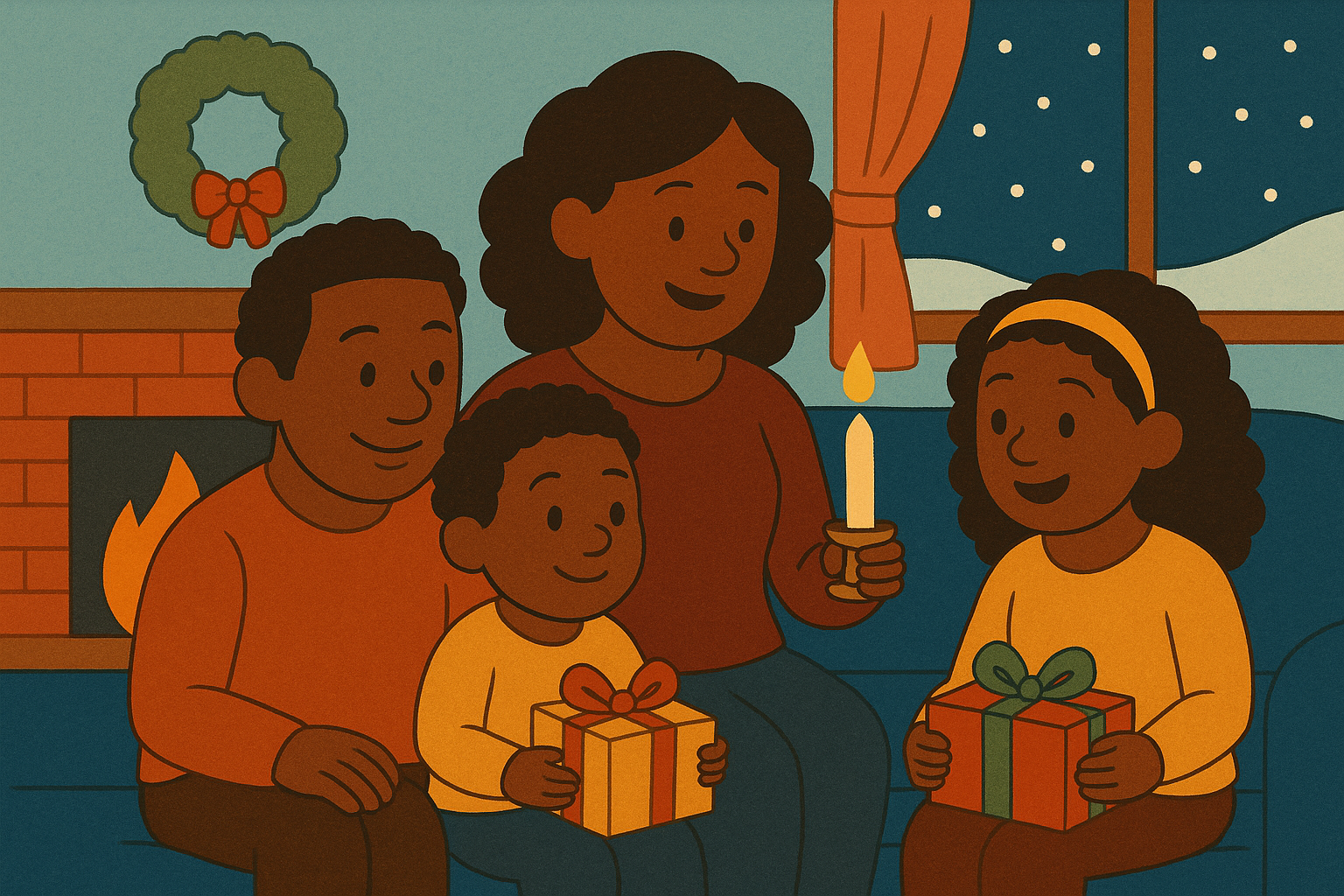
Why Winter Holidays Can Feel Both Magical and Overwhelming
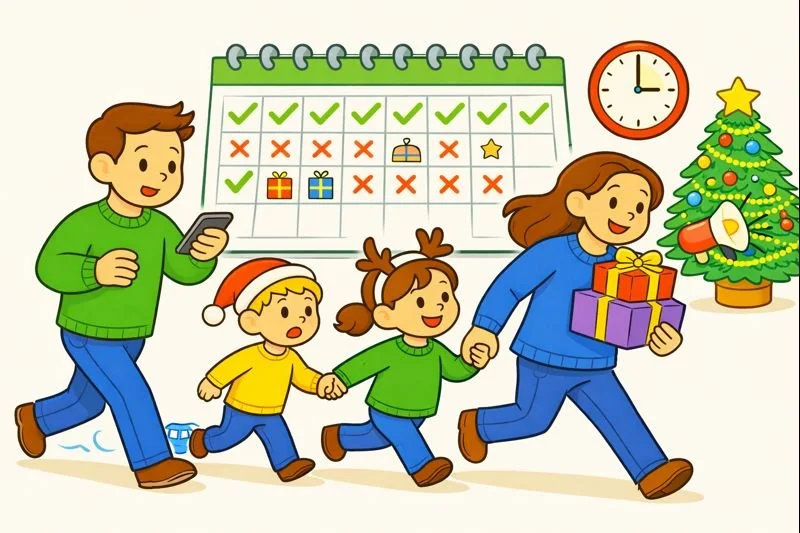
Winter holidays arrive with bright lights, joyful traditions, and opportunities for connection — but they also bring full schedules, high expectations, sensory intensity, and emotional fatigue for both kids and adults. Families often find themselves caught between wanting to create magical memories and trying to manage the mental load of events, gatherings, shopping, traditions, and emotions. Children, especially younger ones, can feel the heightened excitement and unpredictability more intensely, contributing to overstimulation or meltdowns.
Celebrating winter holidays without overwhelm is not about reducing the joy — it’s about crafting rhythms that honor your family’s emotional capacity. When families learn to simplify, prioritize, and connect intentionally, the holidays become calmer, cozier, and far more meaningful. And winter becomes the season of presence, not pressure.


Understanding What Overwhelm Looks Like in Kids and Adults
Overwhelm is not always dramatic or obvious. Sometimes it shows up in small ways — irritability, clinginess, rushing, or difficulty transitioning between activities. For children, the mix of excitement and unpredictability during winter holidays can make emotions feel especially big.
Signs of overwhelm in kids may include:
Trouble settling down after busy outings
Difficulty sharing attention or toys
Resistance to transitions
Tearfulness or heightened sensitivity
Needing more breaks or quiet time
Adults may feel:
Mentally scattered
Overcommitted
Pressured to “make everything perfect”
Fatigued or disconnected from the joy
Learning to recognize these signs early allows families to shift plans gently, much like the intentional slowing and reflection encouraged in The Benefits of Slowing Down During Busy Seasons.
Prioritizing What Matters Most to Your Family
Winter holidays come with long lists of possible activities: decorating, parties, gift-giving, cooking, religious services, family visits, winter outings, and more. Without intention, everything can feel equally important — and equally draining.
Start by asking:
“What traditions truly bring us joy?”
“Where do we feel the most connection?”
“What can we let go of this year?”
“What is one thing we want to try?”
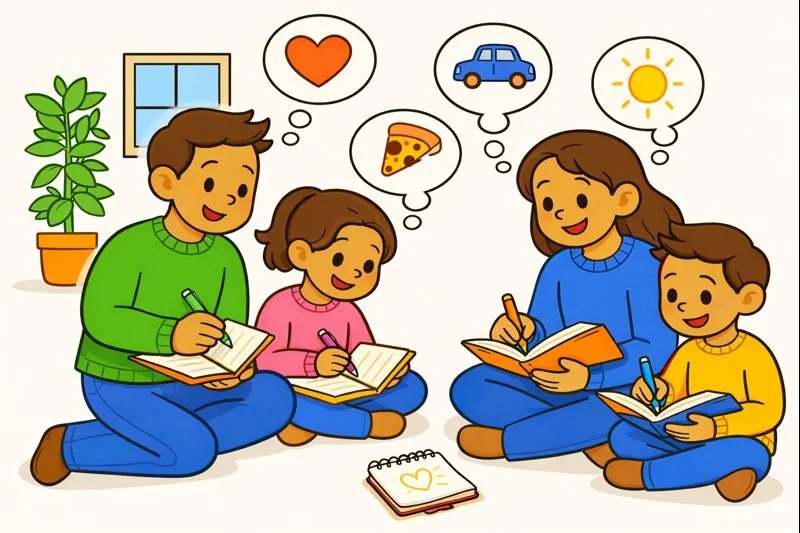
Create a “must-do, might-do, don’t-do” list as a family. This helps kids feel included and gives adults clarity. Often, children choose the simplest joys — baking cookies, building a snowman, making cards — rather than elaborate events. This prioritization mirrors the core of Creating a Cozy Family Mood Night in Winter, where simplicity becomes the foundation of connection.
Creating Predictable Rhythms to Support Emotional Balance
Kids thrive on predictability, especially during seasons full of irregular activities. Establishing gentle rhythms helps children feel secure even amid change.
Try:
A weekly “holiday prep” day
A consistent bedtime and wake-up routine
A balance between busy and quiet days
A calming activity after big outings
Visual schedules for younger children
These rhythms allow excitement to be held within a comfortable structure. When children know what to expect, overwhelm decreases significantly.
Simplifying Traditions Without Losing Their Magic
Traditions are powerful, but they can easily become burdensome if families feel obligated to repeat everything each year. The key is letting your traditions evolve.
Simple ways to lighten the load:
Use fewer decorations but display them intentionally
Choose one signature recipe instead of many
Limit the number of outings
Shorten events to avoid overtired evenings
Rotate extended family gatherings rather than doing all of them
Children respond more to emotional warmth than elaborate setups. A simple candle, a cozy story, or a shared craft often feels just as magical — a lesson echoed in Creative Valentine’s Cards Kids Can Make, where heartfelt simplicity creates the greatest joy.
Managing Sensory Overload During Busy Holiday Events
Bright lights, loud gatherings, new foods, and crowded spaces can overwhelm children’s senses. Preparing ahead helps kids navigate these environments calmly.
Strategies include:
Offering noise-reducing headphones
Bringing a comfort item or small sensory toy
Scheduling movement breaks
Creating a quiet space at home for decompression
Leaving events early if needed
Talk through what your child might experience at an event, especially if they struggle with sensory challenges. Use predictable phrases like, “If your body feels too full, we can take a break together.”
Creating Moments of Calm Amid the Holiday Buzz
Small moments of calm prevent overwhelm before it builds. These don’t have to be long — just intentional pauses within activity-filled days.
Try incorporating:
5 minutes of deep breathing as a family
Quiet story time
Warm baths with dim lighting
Gentle music or family singing
Simple puppet skits that reset the mood
Puppet play, in particular, helps children express feelings and release tension. This is similar to how emotions are explored playfully in Puppet Games for Seasonal Learning, allowing puppets to become comforting companions during busy seasons.
Setting Realistic Expectations for Gatherings and Celebrations
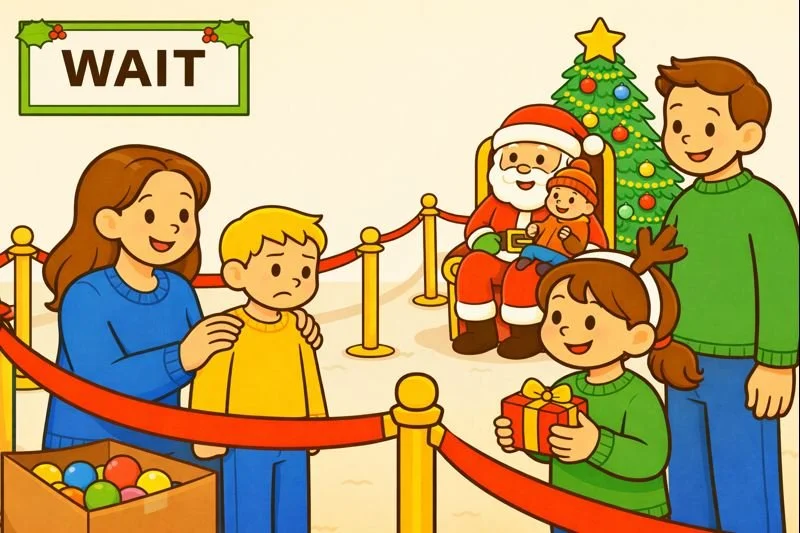
Children often struggle with long events, posing for photos, greeting relatives, or sharing toys. Setting expectations ahead of time helps everyone feel supported.
Discuss simple guidelines before events:
“You don’t have to hug anyone — a wave or high-five is okay.”
“If you need a break, come tell me or squeeze my hand.”
“We’ll stay for one hour, then check in together.”
“You can say no thank you to food you don’t want.”
Explain expectations to relatives as well, so the child’s boundaries are respected. This preserves emotional safety while still allowing enjoyable connection.
Supporting Kids Through Gift-Giving and Receiving
Gift-giving is joyful but can be emotionally complex for kids — especially when emotions run high or expectations don’t match reality.
Help children by:
Practicing thank-you phrases in advance
Talking about feelings they might experience
Keeping gift-opening slow and spaced out
Encouraging gratitude without forcing perfection
These strategies echo the emotional coaching described in Teaching Kids to Say Thank You With Heart, reminding children that gratitude is heartfelt, not pressured.
Building Quiet, Meaningful Family Traditions
Calm traditions help anchor the season and counterbalance busy schedules. These rituals bring emotional rest and deepen family connection.
Ideas include:
A winter storytelling night
A family candle ritual
A holiday craft night
Nature walks to look for seasonal changes
A gratitude circle after dinner
Baking together with soft music playing
Even five minutes of connection can become a beloved tradition children look forward to.
Creating a Winter Season Your Family Will Remember Warmly
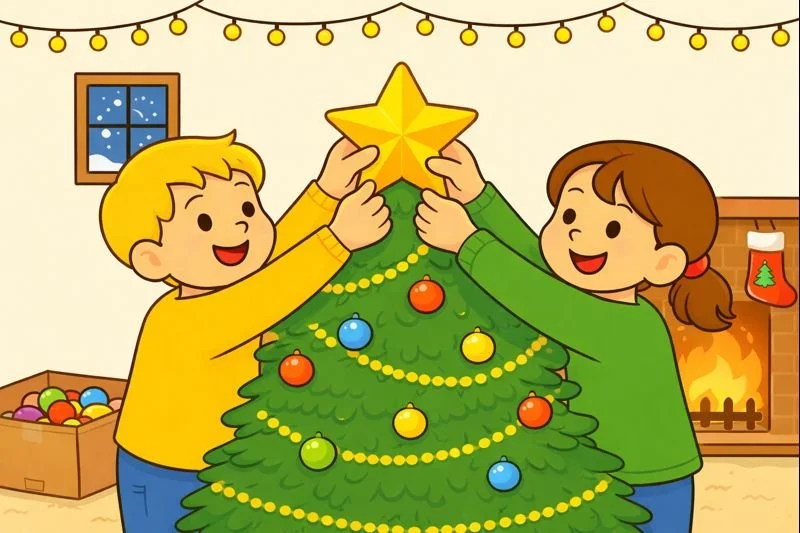
When families shift from “doing everything” to “doing what matters,” winter becomes more peaceful and joyful. Children remember feelings far more than activities — the warmth of gathering around the table, the calm of a slow morning, the comfort of predictable rhythms, and the kindness woven into simple traditions.
By embracing simplification, emotional awareness, and intentional connection, families create winter holidays filled with meaning rather than overwhelm. These calmer seasons shape childhood memories in long-lasting ways, teaching kids that holidays are not about perfection or pressure — they are about presence, love, and shared moments that glow long after the season ends.
This content is for educational purposes and is not a substitute for professional medical or psychological advice.