Turning Every Season Into a Learning Opportunity
Turning Every Season Into a Learning Opportunity
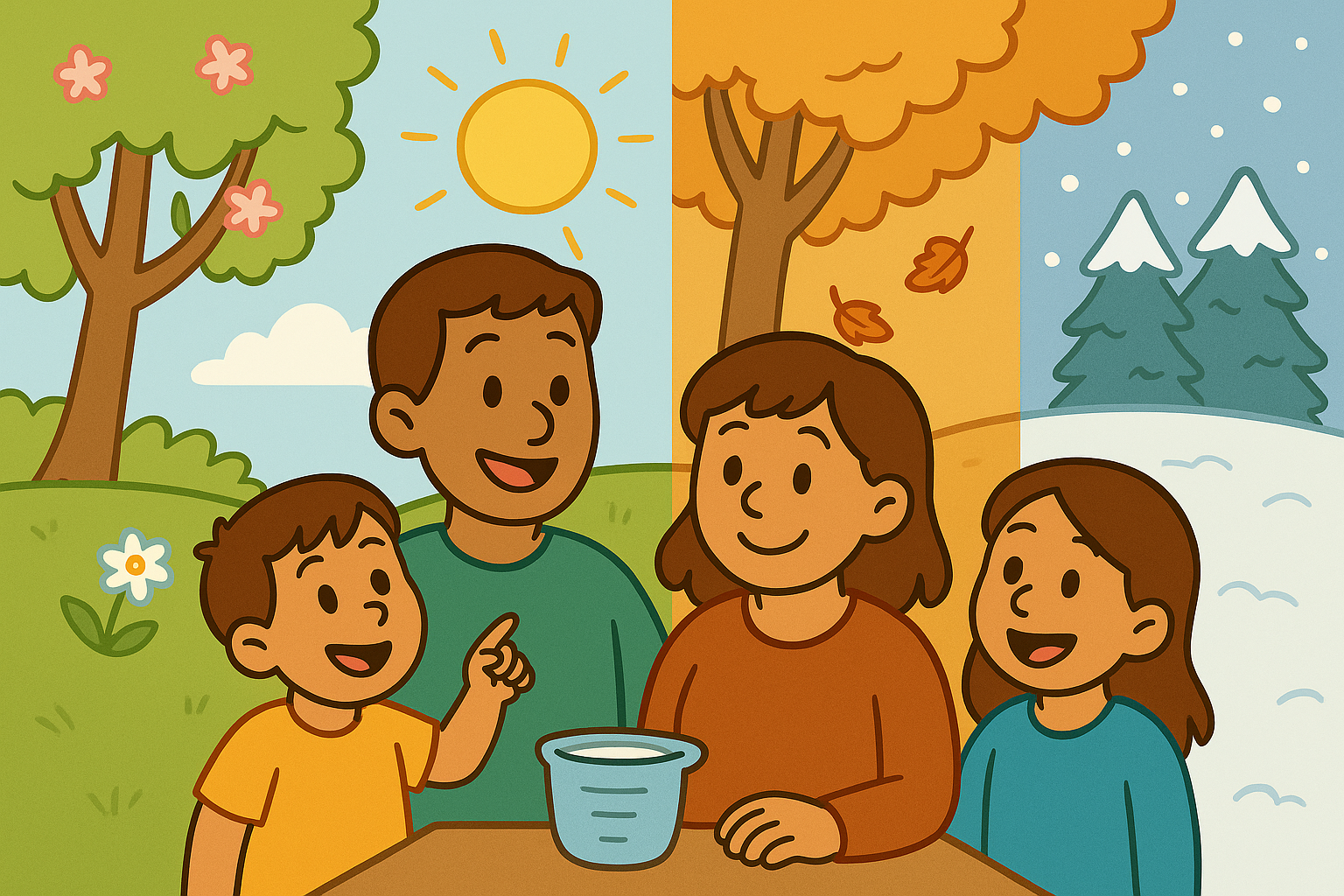
Seeing Seasons Through a Child’s Eyes
Children don’t just watch the seasons change—they feel them. The light shifts, colors change, routines adjust, and emotions follow. When adults turn these gentle transitions into learning moments, kids begin to understand time, nature, and themselves. Learning doesn’t need worksheets or schedules. It only needs one important thing: curiosity.
Every season carries lessons—about growth, rest, preparation, rhythm, and change. By noticing and naming those patterns, families help children feel more grounded and confident in a world that’s always moving. The seasons become more than weather—they become teachers.


Why Seasonal Learning Feels Natural
When learning follows the rhythm of the year, it becomes easier for children to process. They start to connect:
Rain with renewal
Falling leaves with change
Snow with rest and imagination
Flowers with possibility
Sunshine with energy and exploration
These natural metaphors help children build emotional vocabulary, memory, and resilience. By engaging with real sensory experiences, children learn with their whole bodies—not just their minds.
Creating Intentional Seasonal Routines
Tiny traditions create anchor points throughout the year. These don’t need to be fancy or structured. They can be as simple as:
Reading a seasonal story the first week of each new season
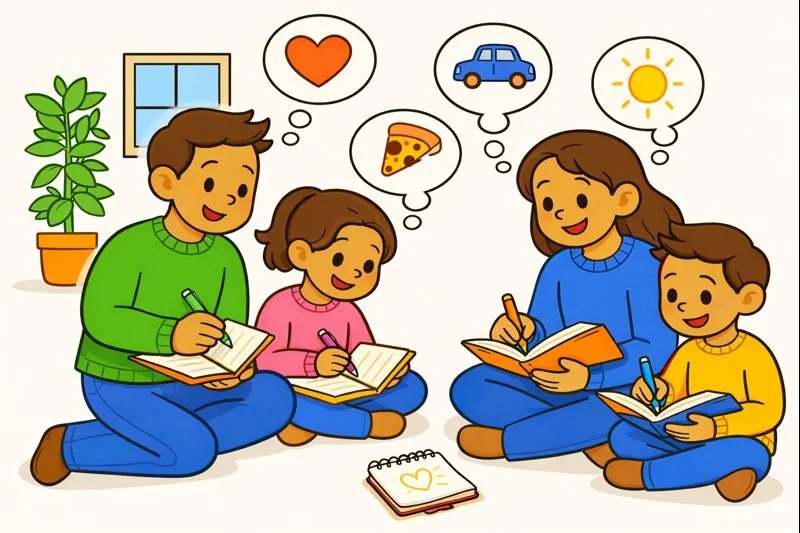
Noticing one color in nature and drawing it together
Having a special seasonal dinner once every few months
Writing one word that describes how the season feels
Taking the same photo spot in nature once every season
Children thrive when they feel consistent rhythms. Seasonal routines become signposts—reminders that the world keeps moving and that they can grow along with it.
Spring: Curiosity & Reawakening
Spring brings new life and discovery. Learning opportunities might include:
Planting seeds or observing garden growth
Counting colors found outside
Exploring textures—buds, petals, damp soil
Journaling about “what changed this week”
Creating nature-based sensory bins or play invitations
Spring is the perfect time for creative storytelling and nature observation—especially when paired with ideas from Crafting Seasonal Play Invitations (Spring, Summer, Fall, Winter).
Summer: Exploration & Movement
Summer energy invites outdoor learning and physical discovery. Families might:
Measure shadows at different times of day
Make simple outdoor obstacle courses
Explore water science with ice, mist, and melt
Count steps or distances on walks
Collect objects and sort by size, texture, or shape
Activities don’t need to be structured—they simply need space. Nature and movement become educational when kids are allowed to explore safely and freely.
Fall: Change & Reflection
Fall is nature’s way of teaching children about transformation. Kids naturally ask questions like “Why are leaves changing?” and “What happens when it gets colder?” You can build learning experiences around these questions:
Create leaf observation charts
Act out animal hibernation with puppets
Sort nature items into categories
Reflect on changes in their own lives
Journal how the air feels today
Nature walks can become powerful learning tools—especially when paired with ideas from Fall Nature Walks: Teaching Change Through Seasons.
Winter: Rest & Imagination
Winter is quiet. Some children may become restless, while others settle into the calm. Either way, it’s a chance to explore imagination, comfort, mindfulness, and storytelling:
Build cozy reading forts and practice voice expression
Do gentle indoor science experiments about heat and cold
Explore kindness, sharing, and empathy stories
Use puppets for problem-solving scenarios
Play slow sensory games with rice, cotton balls, or felt
For peaceful indoor routines that support learning and regulation, ideas from Cozy Winter Reading Nooks for Family Storytime can beautifully complement winter learning spaces.
Using Play to Anchor Learning
Children don’t learn best through lecture—they learn through play. Seasonal learning works naturally when play becomes the foundation. You can help by:
Setting up simple seasonal role-play stations
Offering open-ended questions instead of tasks
Encouraging drawing, building, or puppet shows
Creating sensory bins based on weather or nature
Letting children build stories about the season
Play helps children digest new ideas—emotionally and intellectually. For more sensory-based approaches, Creating DIY Seasonal Sensory Bins for Learning offers easy tools for year-round exploration.
Noticing Seasonal Emotions
Children may feel seasons without knowing how to express it. By naming feelings linked to weather, you build emotional awareness:
“Does rain make you feel cozy or sleepy?”
“Does summer sunshine make you feel bouncy?”
“Do you feel like a leaf ready to float away?”
“What color is your mood today?”
Connecting emotions to nature gives children a safe way to express what they’re experiencing inside.
Documenting Learning Across the Year
When seasonal learning is tracked gently over time, children begin to understand progress. Documentation tools might include:
Photo walls or seasonal scrapbooks
Voice recordings describing the weather
Memory jars with seasonal discovery notes
Journals with simple drawings or one-word entries
Collection boxes filled with nature treasures
Similar to the approach in Family Photography Traditions Through the Seasons, documenting doesn’t need to be perfect—it only needs to help children see their own growth.
A Year That Invites Wonder
When learning follows nature’s rhythm, children begin to understand that life moves in patterns—not straight lines. They learn that every season has purpose. That rest is as valuable as growth. That change doesn’t have to be scary. And that discovery is always waiting—right outside the front door.
Seasonal learning reminds us all: The world is always teaching something. All we have to do is notice.
This content is for educational purposes and is not a substitute for professional medical or psychological advice.