Puppet Storytime: Tales of Generosity and Giving
Puppet Storytime: Tales of Generosity and Giving
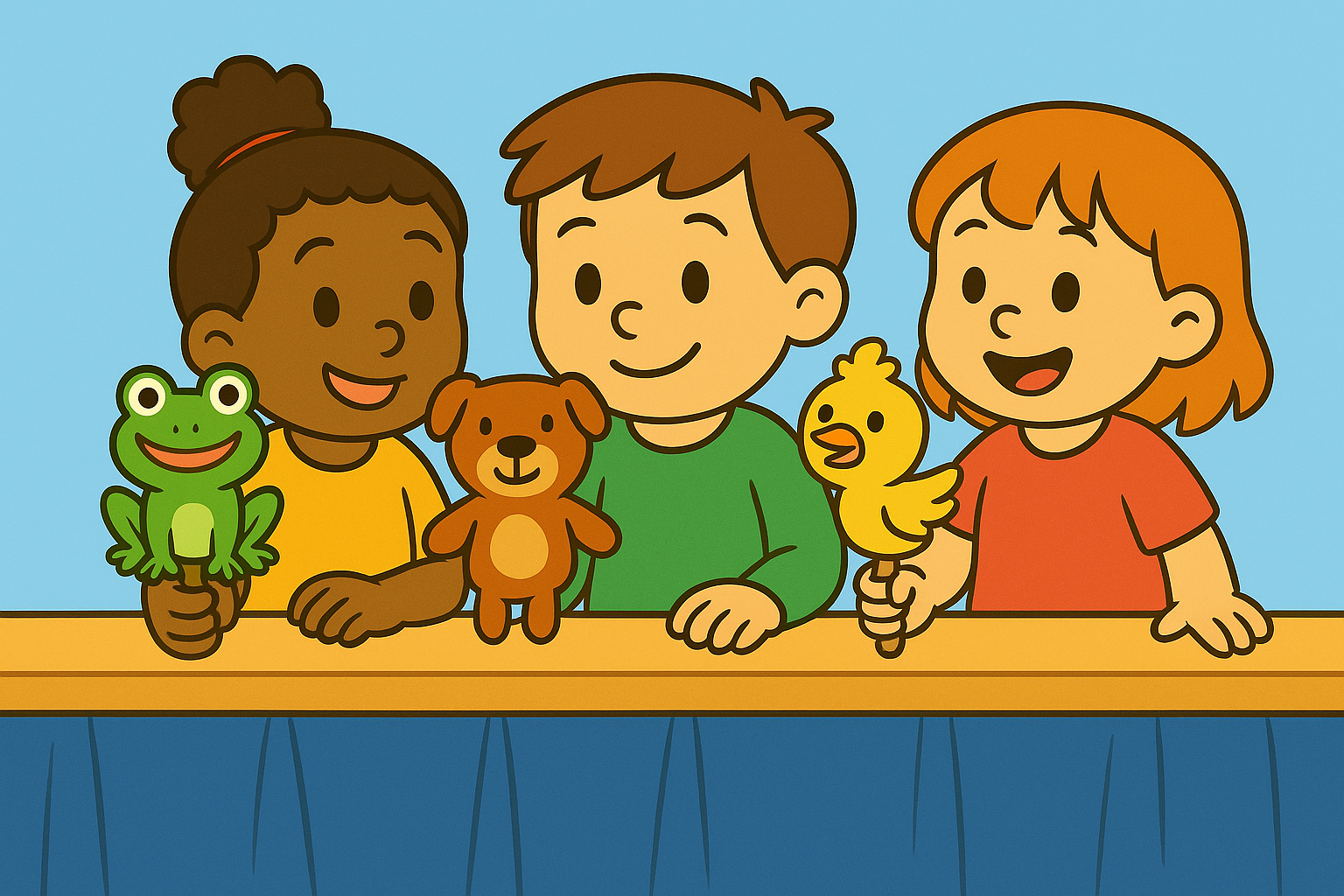
Why Puppets Are Perfect for Teaching Generosity
Children often understand kindness best when they see it come to life. Puppets make generosity visible, relatable, and safe to explore. Through silly voices, gentle problem-solving, and expressive storytelling, puppets teach children that giving doesn’t always mean things—it often means time, patience, help, encouragement, or care.
The power of puppet storytelling lies in emotional distance: kids can show big feelings through puppets without feeling personally judged. They can explore tricky situations—like sharing, helping, or apologizing—in a playful space where learning feels natural and enjoyable.


Themes That Bring Generosity to Life
When planning puppet stories, it helps to anchor each one around a clear, simple theme. This keeps children focused and also gives structure to imaginative play. Try:
Sharing something special
Helping a friend who feels lonely
Giving time or company, not objects
A puppet who learns how to ask for help
A character who makes something for a friend
A surprise act of kindness that changes the whole story
Each theme helps children understand that generosity is more than giving things—it's about caring for others.
Simple Story Framework Kids Can Follow
You can teach kids an easy puppet storytelling pattern:
• Beginning – Introduce the characters. Someone has a need, a worry, or a challenge.
• Middle – Characters try solutions. Some are kind, some are not.
• Generosity Moment – A puppet offers help, love, or support.
• Ending – Something improves. A connection is restored.
This structure mirrors classic kindness stories—similar in spirit to Puppet Shows That Celebrate Acts of Kindness, where empathy becomes the turning point.
Creating Character Personalities
You don’t need fancy puppets. Even socks or paper faces on sticks can have heart. Give each character personality traits that children can relate to:
A shy mouse who whispers
A brave rabbit who tries first
A slow turtle who thinks carefully
A thoughtful owl who listens well
A cheerful cat who loves to help
When characters have clear personalities, children quickly learn to read emotional cues and imitate them in their own behavior.
Props That Encourage Giving
Create tiny props that demonstrate generosity:
Felt hearts for acts of kindness
Toy bandages for someone hurt
Notes or drawings as gifts
A “helping hand” symbol kids can pass around
A special box that puppets must fill with kindness items
Props don’t just decorate the story—they give children tools to act out emotional ideas.
Using Voice and Movement to Express Feelings
Invite kids to explore generosity through tone and motion:
Slow movements when a character is sad
Quick steps when a friend rushes to help
Soft voices for comfort
Bright voices when someone shows gratitude
Dramatic sighs or pauses when problems arise
Story Prompts to Spark Generosity
If kids need help beginning their show, try offering a gentle prompt:
“Oh no… someone forgot their lunch!”
“The puppy is nervous on his first day.”
“The squirrel wants to play, but all the nuts are gone.”
“One puppet has too much, another has too little.”
“Someone needs help—but doesn’t know how to ask.”
Prompts give children a starting point—but their imaginations fill in the rest.
Reflection After the Story
Once the puppet show is done, create space to reflect—not evaluate:
“What made the puppet feel better?”
“Where did generosity show up?”
“What did the puppets need—things, time, or connection?”
“What would you do in real life?”
“Which part felt the most important to you?”
These gentle questions help children connect the story to their own experiences—just like the emotional processing in Helping Kids Handle Gift Disappointment Gracefully.
Turning Stories Into Traditions
You can turn puppet storytelling into a weekly or seasonal ritual:
Generosity Mondays after school
A holiday kindness puppet show
Birthday tradition: a story about the guest of honor
A “kindness jar” where story ideas are collected
Invite grandparents to watch puppet performances
When kids know that generosity stories will return, they start to see kindness as part of family identity.
When Kids Struggle With Sharing
If children resist or avoid generosity, that doesn’t mean they’re unkind. It means they’re still learning—just like everyone else. Puppets can help when children are not yet ready to talk directly:
Let the puppet apologize instead of the child
Have a puppet ask for help on their behalf
Create silly misunderstandings that lead to kindness
Let characters learn from mistakes—not shame
Puppets allow gentle repair and emotional practice—without pressure or embarrassment.
When Puppets Teach Us, Too
The beauty of puppet storytelling is that it doesn’t just teach kids—it teaches us, too. Watching children invent generosity reminds grown-ups that kindness is often simple, quiet, and brave. It doesn’t need perfect timing or fancy words. It just needs heart.
And through the soft glow of a bedtime puppet show—or the laughter of a living room story—we remember that giving is not only something we do. It is something we become.
This content is for educational purposes and is not a substitute for professional medical or psychological advice.