How to Celebrate Valentine’s Day With Empathy and Kindness
How to Celebrate Valentine’s Day With Empathy and Kindness
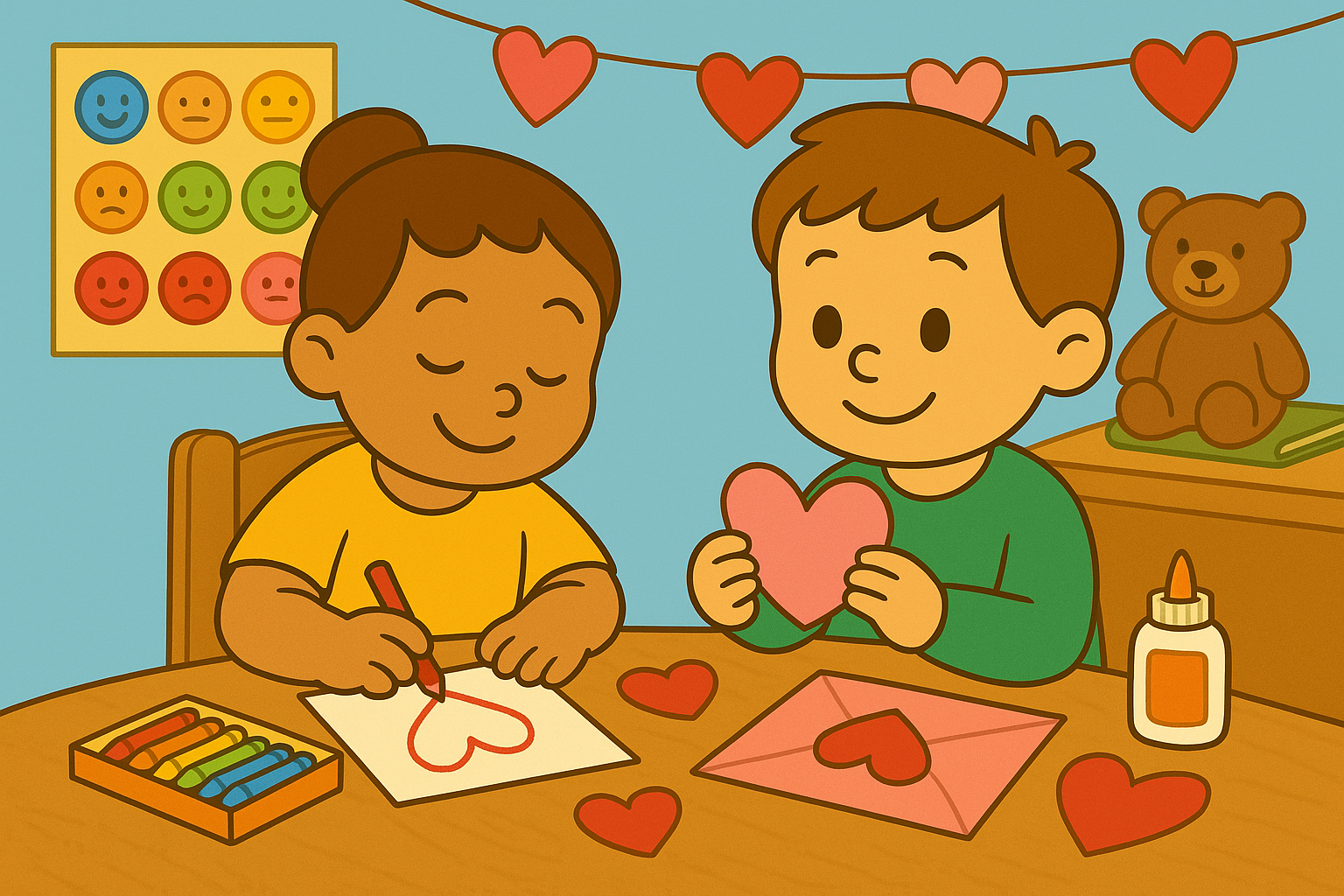
Why Valentine’s Day Can Be More Than Hearts and Candy
Valentine’s Day is often seen as a holiday about treats—and while crafts and sweets can be fun, families also have the chance to focus on empathy, connection, and kindness. For young children, this holiday is a powerful opportunity to explore emotions in gentle ways and learn how to show care for others.
When Valentine’s Day becomes centered on compassion rather than perfection, children feel less pressure and more belonging. Instead of “What should I give?”, the question begins to shift to: “How can I make someone feel loved today?”


Creating a Warm and Kind Atmosphere
To make the day meaningful, try setting up a cozy space that invites reflection and conversation:
Soft lighting or battery candles
Calm background music
A feelings chart or emoji cards
A simple craft tray with paper, crayons, ribbon, and glue
A puppet or stuffed animal to “ask” questions about empathy
The tone should be slow and thoughtful—not rushed or performative. This mirrors the atmosphere of storytelling moments found in Puppet Storytime: Tales of Generosity and Giving.
Introducing the Meaning of Kindness
Children understand kindness best through examples. Start with gentle questions:
“When did someone help you this week?”
“What makes you feel cared for?”
“How do you know when someone is sad?”
“What does kindness sound like?”
When adults listen closely and respond warmly, children begin to see kindness not as a task—but as a language.
Kindness Craft: The “Empathy Envelope”
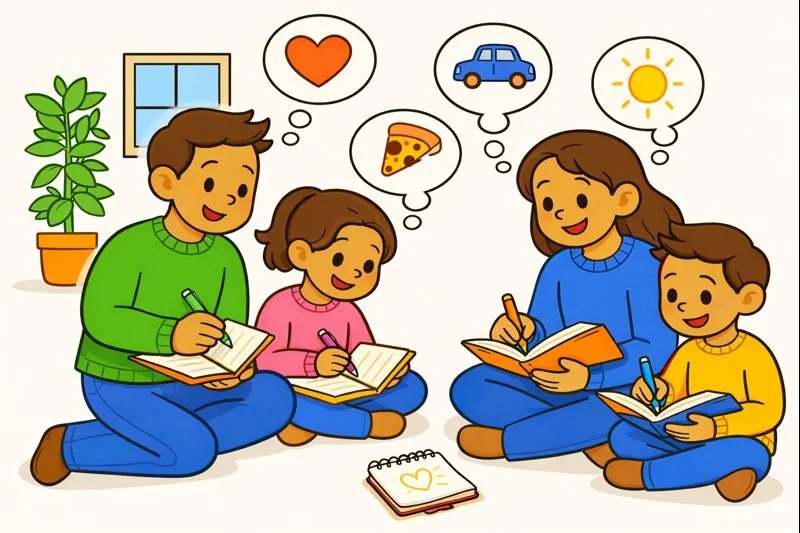
Create paper envelopes with a child to share messages of care. They might write or draw:
“One thing I love about you…”
“I’m thankful for…”
“I know you are good at…”
“When I grow up, I want to be kind like you because…”
Make one for each family member—or even for a neighbor, friend, or teacher. This craft echoes the spirit of celebration found in Turning Every Season Into a Learning Opportunity, where meaning is drawn from everyday interactions.
Puppet Play: Practicing Empathy Through Story
Puppets make tough topics easier. Try simple scenarios:
A puppet feels left out at playtime
A puppet doesn’t know how to say sorry
A puppet wants to help but feels shy
A puppet sees someone sad and decides what to do
Use guiding questions like:
“What could the puppet say?”
“How can we help them feel safe?”
“When do you feel like this puppet?”
Similar to strategies from Puppet Shows That Celebrate Acts of Kindness, story play teaches compassion without lectures.
The “Kindness Pass” Game
Create a circle and pass a small soft object like a heart pillow. Whoever holds it says something kind about another person in the circle—or acts out a kind gesture.
Alternate version: the person holding the object shares when they felt cared for recently. Both options help deepen awareness of empathy in everyday life.
Exploring Feelings Gently
Valentine’s Day is a good time for children to begin noticing complex emotions. Use drawing or role-play to explore:
Excitement
Jealousy
Appreciation
Loneliness
Hope
Children learn that love includes many different feelings—not just happiness. This helps them understand their own emotions more clearly and respond kindly to the feelings of others.
Family Kindness Challenge
Choose a simple challenge for the week:
Help someone without being asked
Compliment a sibling or friend
Send a voice message to a grandparent
Offer “quiet bravery” by sitting beside someone hurt or shy
Pick up toys that weren’t yours
This challenge should not feel competitive—just collective, like a shared adventure.
Celebrating Empathy in Daily Life
At dinner or bedtime, reflect gently:
“Did you see kindness today?”
“Was there a moment someone needed help?”
“Did you make someone smile?”
“What would kindness look like tomorrow?”
Children begin to notice kindness more often when it becomes something the whole family looks for together—similar to the family resolution strategies used in Family Resolutions: Setting Simple, Meaningful Goals Together.
The Heart of the Holiday
Young children experience love most through presence, attentiveness, and care—not gifts or cards. When Valentine’s Day becomes a celebration of empathy, children learn to appreciate the quiet ways that love moves through each day. They also begin building a language for compassion that will grow with them—season after season.
A Message to Carry Forward
Valentine’s Day doesn’t need perfection. It only asks for connection. With gentleness and curiosity, caregivers can help children discover that love is something they can give every day—through kindness, listening, empathy, and courage.
Love isn’t a moment. It’s a way of being together.
This content is for educational purposes and is not a substitute for professional medical or psychological advice.