Helping Kids Handle Gift Disappointment Gracefully
Helping Kids Handle Gift Disappointment Gracefully
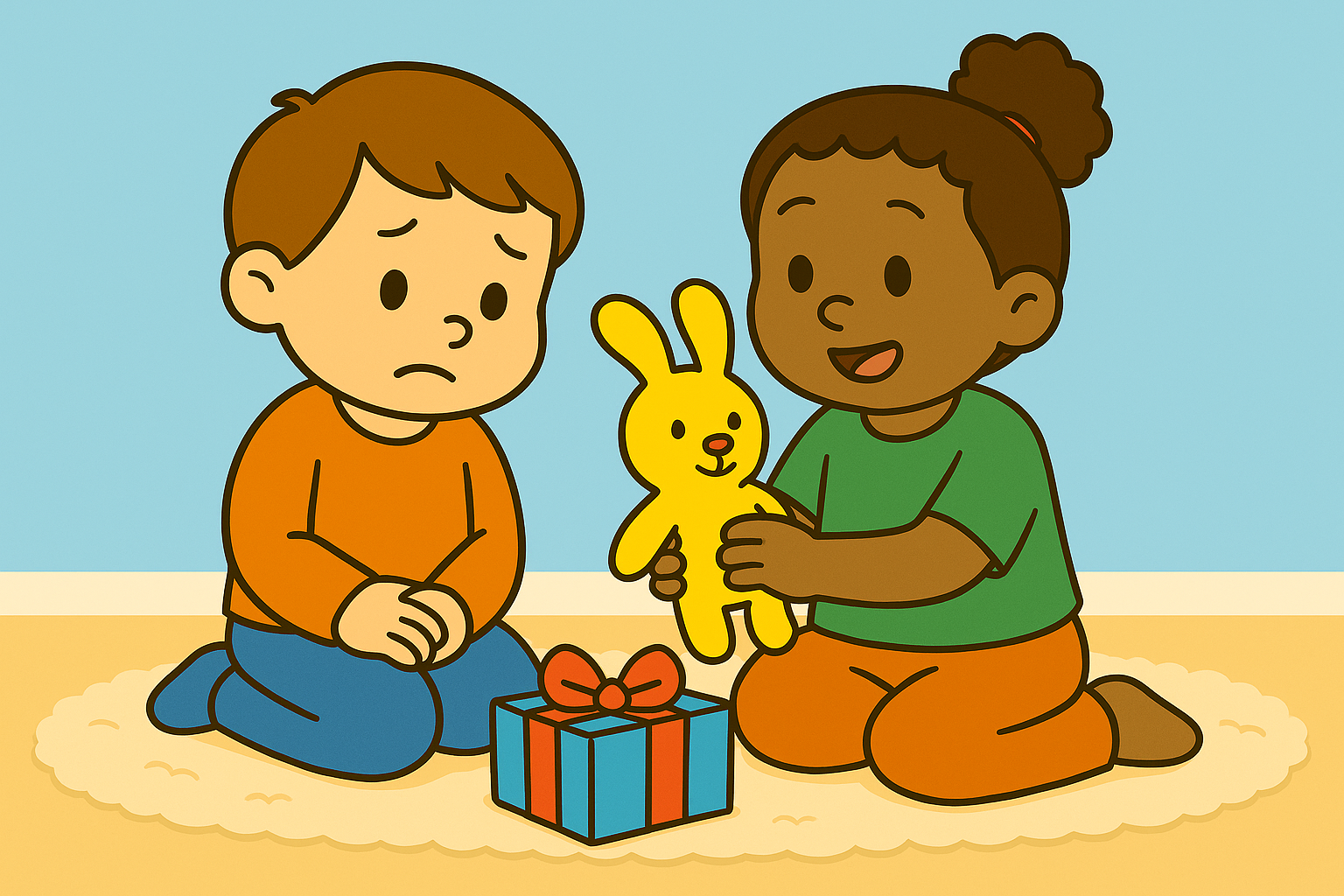
Why Gift Disappointment Happens
Even during joyful celebrations, children sometimes feel sad, surprised, or disappointed by the gifts they receive. This is a very normal experience—especially for young kids who are still learning how to manage big emotions. They might have been hoping for something else, comparing their experience to someone else’s, or simply feeling overwhelmed by the moment.
Gift disappointment doesn’t mean a child is ungrateful. It means they are human. It means they had expectations—and expectations are part of growing up. When families respond with patience and empathy rather than shame, children learn emotional skills that will help them far beyond the holidays.


The Importance of Preparation
Helping kids handle disappointment begins before any gift is opened. You can gently set expectations ahead of time to reduce pressure and anxiety:
Talk about surprises: “Gifts don’t always match what we imagine—and that’s okay.”
Normalize different reactions: “Sometimes people like gifts right away, sometimes later.”
Share stories from your own childhood about unexpected gifts.
Practice polite responses through role-play with puppets or toys.
Focus on experiences, not just things: “We’re excited for time together—not just presents!”
Teaching these ideas early helps children feel steady—before emotions have a chance to spill over.
Recognizing the Signs of Disappointment
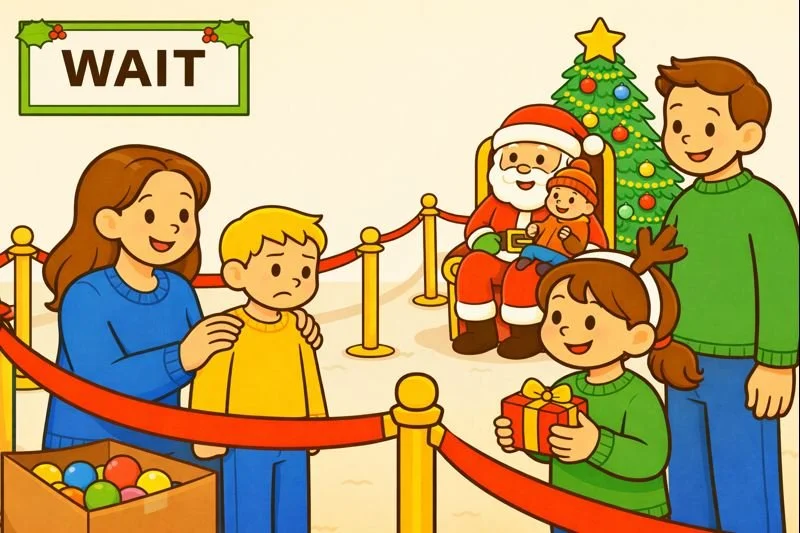
Children often show their feelings through body language before words. Watch for:
Tight shoulders or crossed arms
Shy behavior after opening a gift
Pulling away or going quiet
Comparing gifts to someone else
Grumpiness or frustration after the celebration
Instead of correcting behavior right away, quietly acknowledge it. Kids often need time to process emotions before they’re ready to talk. A soft approach helps them feel safe rather than judged—similar to the mindful support strategies in Helping Kids Learn Accountability Without Shame.
Responding Calmly in the Moment
If a child becomes visibly disappointed, stay calm and use gentle language:
“It’s okay to have mixed feelings.”
“I understand—you were hoping for something different.”
“Let’s take a moment together.”
“You’re still figuring out how you feel. That’s okay.”
“Do you need a quiet break—or a hug?”
The goal isn’t forcing gratitude, but modeling empathy and regulation. Once a child’s nervous system settles, gratitude and reflection become much easier to access.
Talking About Feelings Afterward
Once emotions have settled, you can create a conversation about feelings:
“What were you hoping for?”
“What surprised you today?”
“Was anything tricky about the moment?”
“Is there anything you’d still like to try or explore?”
“How did your heart feel when you opened it?”
Children may feel relieved just to name the experience. Emotional vocabulary is built through rhythm, repetition, and safety—just like storytelling practices found in Turning Every Season Into a Learning Opportunity, where reflection becomes part of routine.
Teaching Appreciation Without Pressure
Gratitude should be explored gently—not demanded. Try:
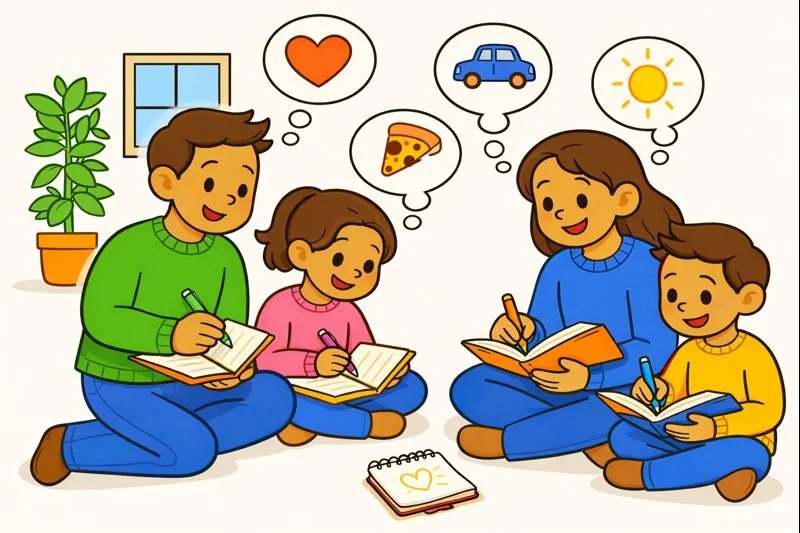
Writing a thank-you card together with drawings
Finding one thing the gift can be used for
Imagining “how this item might grow on you” over time
Learning about the giver: “Why did they choose it?”
Encouraging delayed appreciation: “Sometimes we like things later.”
The goal is not forced thankfulness—it’s perspective-building. Even adults sometimes need time to warm up to an unexpected gift.
Making Room for “Mixed Feelings”
Children often believe they must be either happy or upset, but both can coexist. You can explore mixed emotions like this:
“You can like parts of it and still wish it were different.”
“Sometimes people feel grateful and disappointed.”
“Feelings change. Today it might feel one way—tomorrow another.”
Helping children accept complexity builds emotional strength and flexibility—similar to the gentle growth mindset encouraged in Teaching Mindful Giving During the Holidays.
Repairing Moments With Love
If a child acts unkindly or reacts strongly, you can repair the moment using tenderness:
Model calm behavior after the celebration.
Have a quiet conversation about what happened.
Avoid shame; focus on understanding.
Offer a chance to reconnect through play or art.
End with warmth: “You’re still learning. That’s okay. I love you.”
Repair is more valuable than perfection. The goal is learning—not flawless behavior.
Creating New Traditions Around Gratitude
Over time, families can build traditions that reinforce kindness and reflection:
A “Thankful Tree” where kids hang gratitude leaves
A puppet show about surprising gifts
A family “kindness jar” throughout the season
Drawing pictures of peaceful holiday memories
Wrapping a small gift for someone in need
These activities help children internalize the message that holidays are much bigger than gifts—much like the ideas presented in Teaching Kids About the Meaning Behind Holidays.
When Disappointment Teaches Something Bigger
Some gifts don’t land well—and that’s okay. Children still benefit from the experience. They learn that moments don’t have to be perfect to be meaningful. They learn that relationships matter more than objects. And they learn that their feelings—even difficult ones—can be handled with care.
Disappointment doesn’t diminish a celebration. It can deepen it.
Every Reaction Is Part of Growing Up
Handling disappointment isn’t a sign of failure—it’s a step toward maturity. With patient guidance, children can grow into people who respond to surprises—good and bad—with flexibility and grace. The goal of parenting isn’t perfect reactions. It’s nurturing the heart behind them.
When a gift isn’t what they hoped for—and your child looks at you with questioning eyes—that is not a moment to fear. It’s a moment to teach. A moment to connect. A moment to remind them: Your feelings belong. Your heart matters. And you are always loved—no matter how the wrapping paper unfolds.
This content is for educational purposes and is not a substitute for professional medical or psychological advice.