Fun Ways to Celebrate Family Birthdays Year-Round
Fun Ways to Celebrate Family Birthdays Year-Round
Why Birthdays Deserve More Than Just One Day
Birthday parties often come and go quickly—but a birthday doesn’t have to be limited to a single event. Children grow all year long, not just on one day. Celebrating birthdays year-round helps kids feel valued, noticed, and cherished far beyond cake and candles. When birthdays become a theme that continues throughout the year, children learn that life itself is worth celebrating—every day, in small and meaningful ways.
Rather than bigger parties, year-round birthday traditions spark connection, appreciation, and joy. These traditions don’t need to be elaborate. With intention, even the smallest rituals can help build confidence, strengthen family bonds, and make every child feel seen and special.


Birthdays as Moments of Growth
Instead of focusing on age, year-round birthday traditions can teach children about growth—physical, emotional, creative, or social. You might ask:
“How have you grown this month?”
“What is something new you tried this season?”
“What made you feel confident recently?”
“What challenge did you get through?”
These questions help children reflect gently on their own development. They begin to associate birthdays not just with gifts—but with personal progress. For families exploring development and gentle encouragement, Helping Kids Learn Accountability Without Shame can help guide supportive conversation around growth.
Birthday Rituals That Repeat Through the Year
Try simple traditions that come back monthly or seasonally:
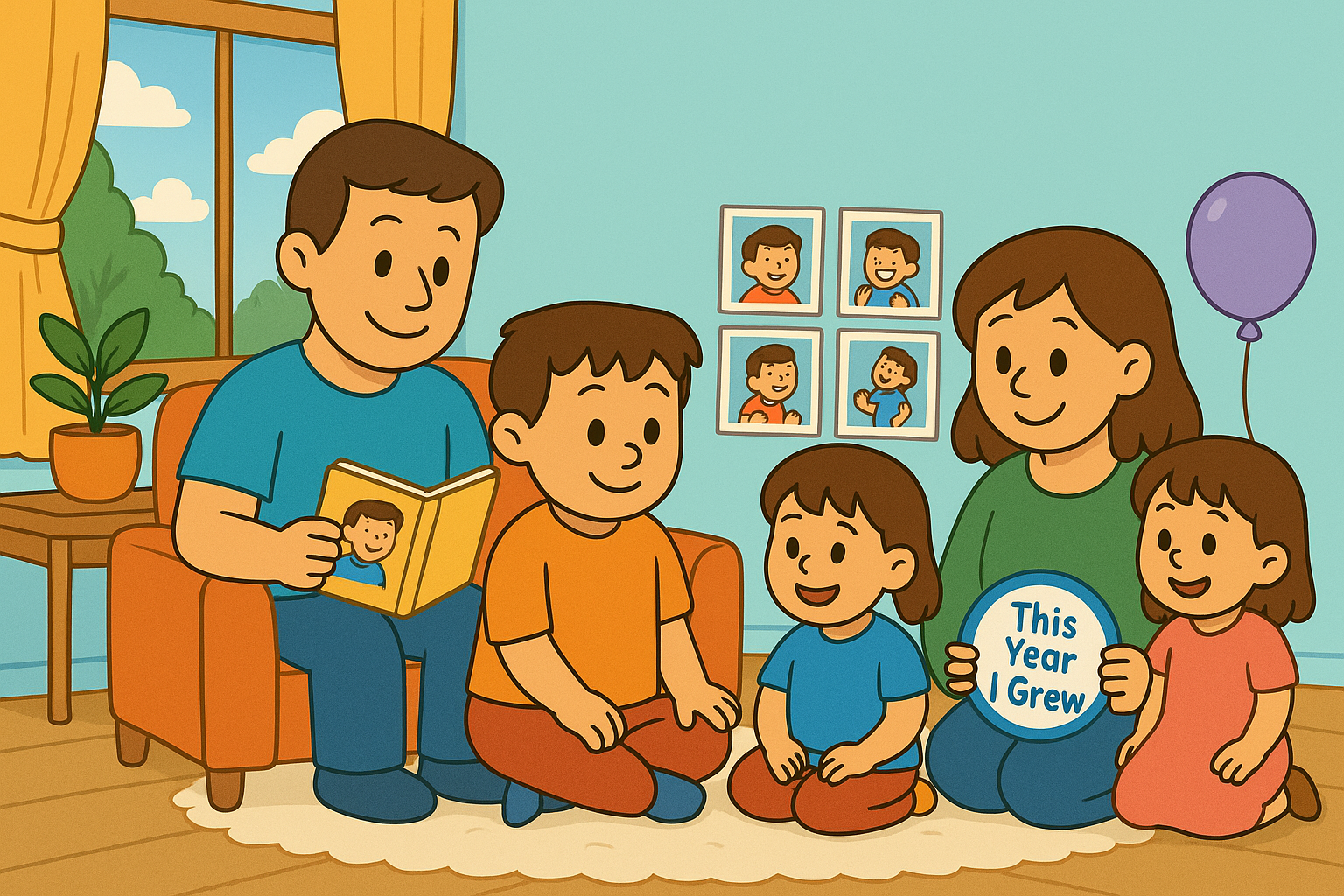
A “growth photo” taken every month
A “1-word celebration” at dinner (each person shares a word describing the birthday child)
A mini “birthday walk” in nature to reflect on change
A letter written to their future self
A special day each month where they pick dinner or breakfast
These rituals don’t need to replace a party—they support it with emotional connection and ongoing attention to the child’s journey.
Family Storytelling as a Celebration Tool
Storytelling helps children feel seen. Try:
Telling the story of their birth or adoption year
Sharing funny baby memories
Using a puppet to narrate their life story
Creating a “birthday timeline” with pictures or drawings
Mapping their favorite memory spots around town
For more ideas using puppets and narrative play, Hosting a Puppet Parade for Kids’ Birthdays offers playful ways to honor identity and growth through storytelling.
Birthday Book Baskets
Create a rotating “birthday book basket” for each child. Stock it with:
Books about dreams, courage, or trying new things
Stories with diverse heroes and journeys
Adventure or imagination-based picture books
Nonfiction books about their interests
You don’t need new books—rotate existing ones or borrow from the library. Every few months, refresh the basket to reflect the child’s evolving needs and curiosities. For cozy setups, the article Cozy Winter Reading Nooks for Family Storytime pairs perfectly with book rituals like this.
Celebrating Qualities — Not Just Achievements
Year-round birthdays should celebrate who the child is, not just what they do. Try:
Sticky note surprises around the house
A “strength scavenger hunt” — find items that represent their qualities
Interview them about what they’re proud of
Write their name in big letters and add adjectives around it
Create a “compliment chain” where each family member adds a link
This nurtures self-worth and identity-building. Children begin to understand that they are loved just as they are—not only when they succeed.
Seasonal Birthday Traditions
Each season can offer a unique way to celebrate:
Spring: Seed planting to represent fresh beginnings
Summer: Outdoor adventure day chosen by the child
Fall: Nature walk with a “how I’ve changed” journal prompt
Winter: Candlelit reflection night with warm drinks and storytelling
Seasonal rhythms help kids relate their journey to the natural world—an idea also explored in Fall Nature Walks: Teaching Change Through Seasons, which beautifully supports emotional growth through nature-based reflection.
Meaningful Mini Celebrations
Not every celebration needs planning or preparation. Try spontaneous mini-celebrations, such as:
A surprise breakfast picnic
A single balloon delivered to their room
A “you choose the game” hour
A phone call from a loved one
A short video message from friends or family members
These moments teach kids that love doesn’t need a reason or a calendar date to be expressed.
Birthday Interview Check-Ins
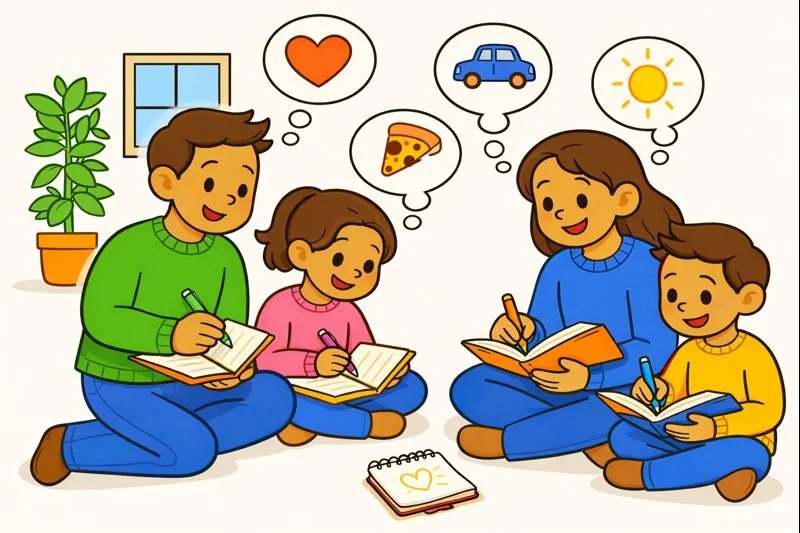
Children change quickly. A birthday interview helps capture who they are right now. Record their answers or write them down:
What makes you feel brave?
What makes you laugh the most?
What is something you want to learn soon?
What is your superpower?
If your heart could speak, what would it say today?
Doing this quarterly (or seasonally) shows kids that their voice matters and that their story is worth listening to.
Building a “Year of Memories” Keepsake
Throughout the year, collect:
Photos
Quotes from the child
Artwork
Favorites lists (songs, foods, toys)
Kind messages from friends or family
A short letter from the parents each season
These can be stored in a binder, digital folder, scrapbook, or “memory box.” At the next birthday, the child receives a beautiful reminder: This was your year—and it was full of life.
A Birthday That Lasts Beyond the Day
A year-round birthday mindset teaches children that they are continuously growing, evolving, and worthy of celebration. They don’t have to wait 365 days to feel seen—they can feel valued every week in small ways.
When birthdays become quiet traditions, creative rituals, and everyday affirmations, the celebration becomes deeper and more personal. Children learn that life isn’t just marked by candles and ages—it’s shaped by stories, effort, resilience, and connection.
And with that understanding, every day can hold just a little bit of birthday magic.
This content is for educational purposes and is not a substitute for professional medical or psychological advice.