How to Plan Family Service Projects Year-Round
How to Plan Family Service Projects Year-Round
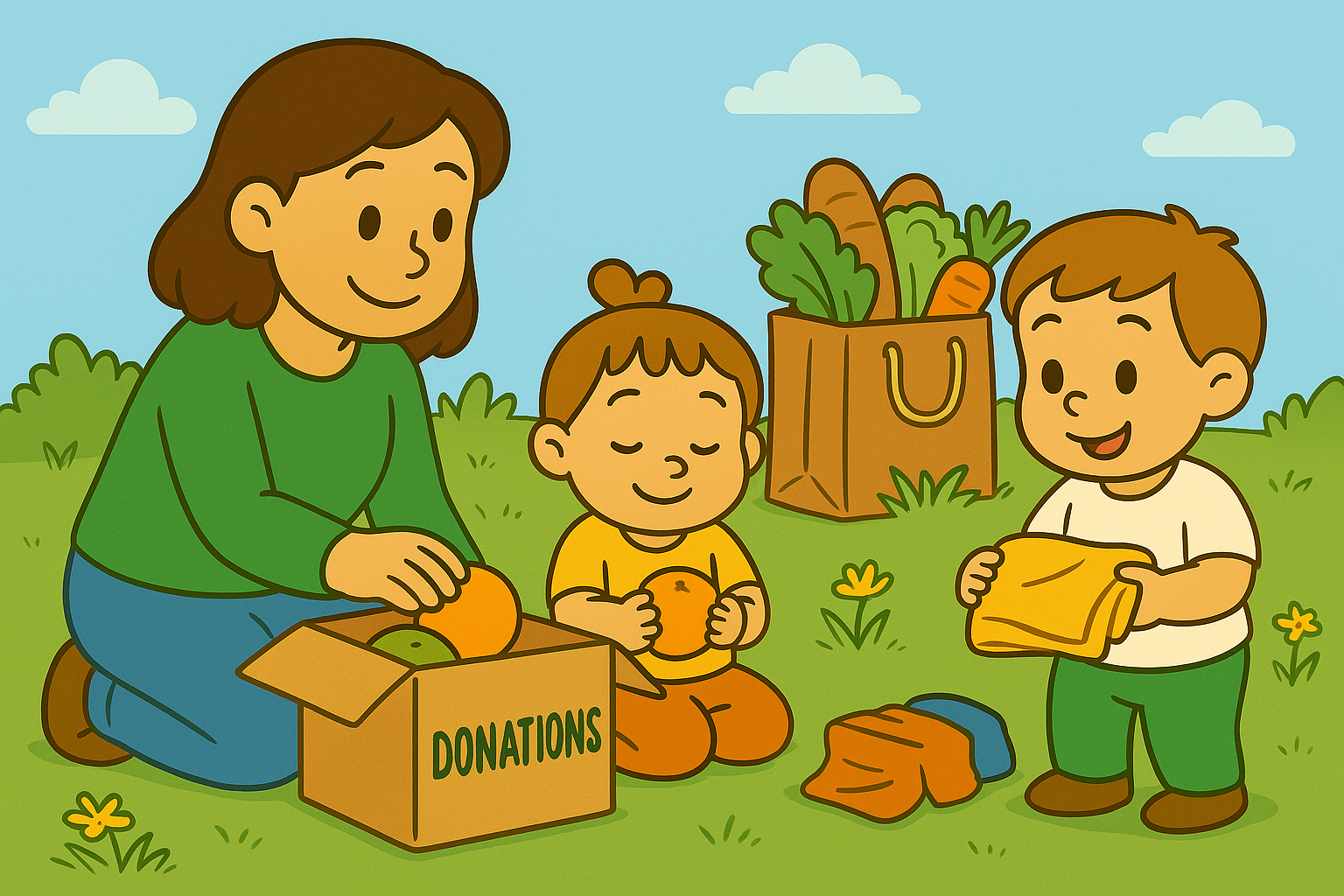
Why Service Projects Matter for Kids
Children love to help—but they often need guidance to understand how they can make a difference. Family service projects give kids a chance to feel capable, needed, and connected to their communities. When giving becomes part of the family rhythm—not only during holidays—children grow up with empathy, responsibility, and a strong sense of belonging.
Service doesn’t require big donations or major planning. In fact, the most meaningful projects often begin right at home with the simple question: “Who could use some care right now?” This kind of thinking turns compassion into a habit, not just a seasonal tradition—and teaches kids that kindness is a part of everyday life.


The Benefits of Year-Round Service
Family service projects naturally support children’s development:
Builds empathy and perspective
Encourages emotional awareness
Supports problem-solving
Strengthens communication
Creates real-world learning experiences
Builds gratitude and identity
When kids help others, they don’t just see problems—they see possibilities. And that mindset stays with them for years.
Finding Causes That Matter to Your Child
Service becomes meaningful when it’s personal. Start with what your child cares about:
Do they love animals?
Do they worry when someone is lonely?
Are they curious about nature?
Do they notice when someone feels left out?
Do they wish they could help friends or siblings more?
Explore those interests without pressure. Ask, “If your heart could help someone, where would it start?” That question alone can spark powerful ideas.
Seasonal Themes for Service Projects
Use the rhythm of the year to guide service projects:
Spring – Planting & Renewal
Plant pollinator-friendly flowers
Clean up a park or garden
Make seed packets for neighbors
Summer – Community & Connection
Host a lemonade stand for a cause
Create “kindness kits” with snacks and notes
Invite friends for a “helping day” at a local shelter
Fall – Gratitude & Gathering
Make meal baskets for families in need
Write appreciation letters to helpers in the community
Host a “warm coat trade” with neighbors
Winter – Comfort & Care
Create care bags with hats, socks, or hand warmers
Make cards for nursing homes or hospitals
Read or perform puppet skits for someone homebound
These seasonal structures pair beautifully with ideas explored in Turning Every Season Into a Learning Opportunity, where nature and time become gentle guides for children’s actions.
Service at Home: Small Steps That Matter
Service doesn’t always mean volunteering outside the home. Many projects can begin inside:
Helping a sibling learn something new
Making care notes for family members
Organizing a toy trade or donation
Cooking a meal together for someone who needs it
Doing chores for someone going through a hard time
Even acts of kindness at home count as meaningful service. When kids see service as everyday life—not an assignment—the effect deepens.
Using Play to Explore Service
Play is a safe entry point for understanding generosity. Try:
Puppet shows about helping someone in need
Pretend “community helper” role play
Kindness-themed sensory bins
“Rescue missions” with toys and obstacles
Art projects based on helping someone
Play gives children the space to experiment—without fear of making mistakes. Similar to emotional exploration through Helping Kids Handle Gift Disappointment Gracefully, practicing service through play builds emotional readiness before real-life engagement.
Making Service Personal and Reflective
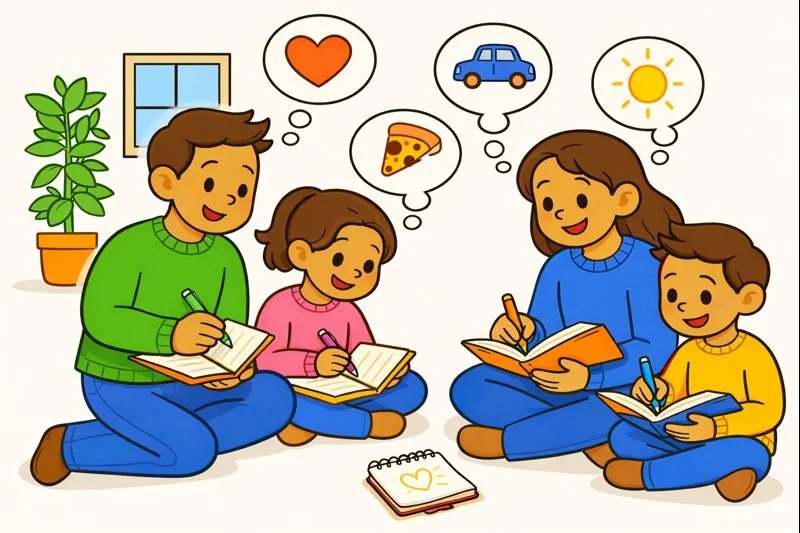
After a service experience, reflection helps children internalize the meaning. Ask:
“What was your favorite moment of helping?”
“Did anything surprise you?”
“How do you think they felt?”
“What did you feel when you helped?”
“Would you want to do something like this again?”
Let the conversation stay gentle. Reflection doesn’t need to be deep—it simply needs to be felt.
Involving Extended Family and Friends
When others join in, momentum builds. Try:
Asking grandparents to share stories of helping
Inviting a friend to join your project
Hosting a “kindness day” playdate
Organizing a mini donation drive with neighbors
Sending digital cards or videos together as a group
These shared efforts connect generations and strengthen community—much like multicultural celebration ideas in Teaching Kids About the Meaning Behind Holidays.
When Service Feels Hard or Overwhelming
Sometimes service projects don’t go as planned. Children might feel tired, confused, or embarrassed. That’s okay. Growth happens here too. Remind them:
“Helping isn’t about perfection.”
“Even small efforts matter.”
“You tried—that counts.”
“We can always learn and try again.”
Disappointment doesn’t mean failure—it means the heart is stretching. And stretching is part of growing strong.
Building a Year-Round Service Tradition
To make service part of family life, try:
A monthly “Who could we help?” question at dinner
A kindness jar where kids suggest ideas
A wall calendar of simple service ideas
Donating one toy after every birthday
Hosting an annual “family service day”
Traditions don’t need schedules or pressure. They simply need intention—and repetition.
Service as Part of Identity
When children learn to serve, they don’t just help others—they learn something about themselves. Through service, kids develop confidence, purpose, responsibility, and compassion. They begin to understand that caring doesn’t require age, perfection, or status. It only requires heart.
And when service becomes part of your family story—so does hope.
This content is for educational purposes and is not a substitute for professional medical or psychological advice.