Teaching Kids About the Meaning Behind Holidays
Teaching Kids About the Meaning Behind Holidays
Why Holiday Meaning Matters
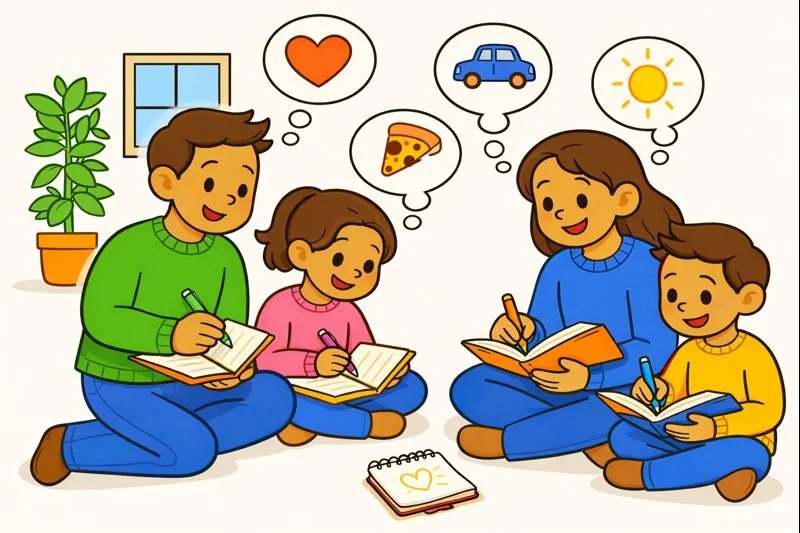
Holidays are more than decorations, music, and celebrations—they carry stories, values, and reasons that have existed for generations. Children often experience the excitement of holidays before they understand the meaning behind them. When we slow down and explore the “why” of holidays, kids begin to develop empathy, cultural awareness, and a deeper connection to family traditions.
Holiday meaning should never feel like a history lesson. It should feel like a conversation: Why do we celebrate? What are we remembering? What are we grateful for? Who are we honoring? These questions turn holidays into powerful teaching moments—ones that help children build identity, kindness, and emotional depth.


Exploring the “Why” Behind Each Celebration
Each holiday holds a message. Children don’t need full historical context—they just need simple emotional anchors. For example:
Thanksgiving: gratitude, sharing, and reflection
Lunar New Year: renewal, community, and fresh beginnings
Diwali: light in darkness and inner strength
Hanukkah: courage, dedication, and hope
Kwanzaa: unity, responsibility, and family values
Eid al-Fitr: compassion, rest, and generosity
Christmas: kindness, giving, and belonging
Focusing on central themes helps kids remember that holidays are built around values—not just traditions.
Making Holiday Meaning Feel Personal
To connect kids to holiday meaning, invite them to reflect:
“What does courage mean to you?”
“Why is togetherness important?”
“What is something we can let go of this year?”
“What are you grateful for today?”
“Who has helped you this year—and how?”
Holiday meaning should grow with the child. What matters to a five-year-old may feel different to a nine-year-old. That’s a sign of healthy emotional development.
Using Storytelling to Deepen Understanding
Stories bring holidays to life. Try:
Reading tales connected to holiday origins
Acting out mini skits with puppets or toys
Performing a “holiday puppet news report”
Telling a real story from your childhood
Asking kids to narrate their own version
A storytelling approach brings celebration into imagination—an idea beautifully supported in Hosting a Puppet Parade for Kids’ Birthdays, where creativity becomes connection.
Hands-On Ways to Understand Holiday Values
Children learn best through doing. Try activities such as:
A “gratitude chain” with paper strips
A kindness jar with positive notes
A drawing of what “light” means to them
A family mural of holiday memories
Acting out “small acts of generosity” with dolls or puppets
These activities help children feel the meaning—not just hear it.
Comparing Holidays Through Emotions
Instead of comparing cultures, compare feelings. Ask:
“Which holiday feels joyful?”
“Which one feels peaceful?”
“Which one teaches us bravery?”
“Do any teach patience or kindness?”
“Can two holidays have the same meaning?”
Noticing emotional patterns teaches children that cultures may differ—but human values often align. For more seasonal emotional connections, Turning Every Season Into a Learning Opportunity complements this idea beautifully.
Encouraging Questions Without Judgment
Children may ask surprising or tough questions about tradition, culture, or history. Instead of providing all the answers, respond with curiosity:
“What made you wonder that?”
“Let’s explore that together.”
“I don’t know yet—but we can learn.”
“That’s a powerful question. Why do you think that happens?”
Curiosity builds emotional resilience—and respects the child’s growing mind.
Connecting Holiday Meaning to Daily Life
Teach kids that holiday values don’t end after the celebration. Ask:
“How can we practice this all year?”
“Who might need kindness today?”
“Can we show gratitude in small ways?”
“Should we help someone with a challenge?”
“What would our holiday hero do right now?”
Linking holiday meaning to everyday choices turns values into habits—and habits into character. For more gentle ways to encourage accountability and care, see Helping Kids Learn Accountability Without Shame.
Including Heritage & Cultural Roots
Holiday meaning grows stronger when tied to history and identity. Try:
Looking at old photos or artifacts
Interviewing older relatives about traditions
Cooking or tasting cultural foods together
Practicing greetings or phrases in another language
Learning a simple dance, symbol, or song
These traditions help kids develop pride in heritage—and respect for other cultures too. For broader celebration ideas, Celebrating Diversity: Teaching Kids About Global Holidays offers an inviting entry point.
When Holiday Meaning Feels Complicated
Not all holidays feel joyful for everyone. Some hold grief, history, or difficult memories. Children don’t need full explanations—but sensitivity helps:
Keep explanations age-appropriate
Focus on empathy and understanding
Introduce stories of growth and resilience
Emphasize healing and connection
The goal is not for children to learn everything—but to learn how to care.
A Meaning That Grows With the Child
Holiday meaning does not stay the same every year. As children grow, meanings deepen. What once felt magical may later feel inspiring. What once felt joyful may become peaceful. And that is the beauty of it—holidays grow when children grow.
By inviting children into the why behind celebrations, we nurture minds—but even more importantly—we nurture hearts. Meaning becomes memory. Traditions become values. And holidays become guides that help children understand the world with curiosity, compassion, and connection.
This content is for educational purposes and is not a substitute for professional medical or psychological advice.