Family Movie Traditions for Each Season
Family Movie Traditions for Each Season
Why Movies Can Be More Than Entertainment
Movie nights often become cozy parts of family life—but when they’re framed thoughtfully and shared intentionally, they can do much more than pass the time. Movies can spark conversation, encourage emotional learning, teach values, and establish comforting rhythms throughout the year. With young children, seasonal movie traditions can create structure without rigidity and connection without pressure.
Seasonal movie moments allow children to experience themes like change, growth, courage, kindness, and reflection through story. When paired with calm routines, simple snacks, and family presence, movie time becomes a meaningful ritual—not just screen time.


Creating a Seasonal Movie Ritual
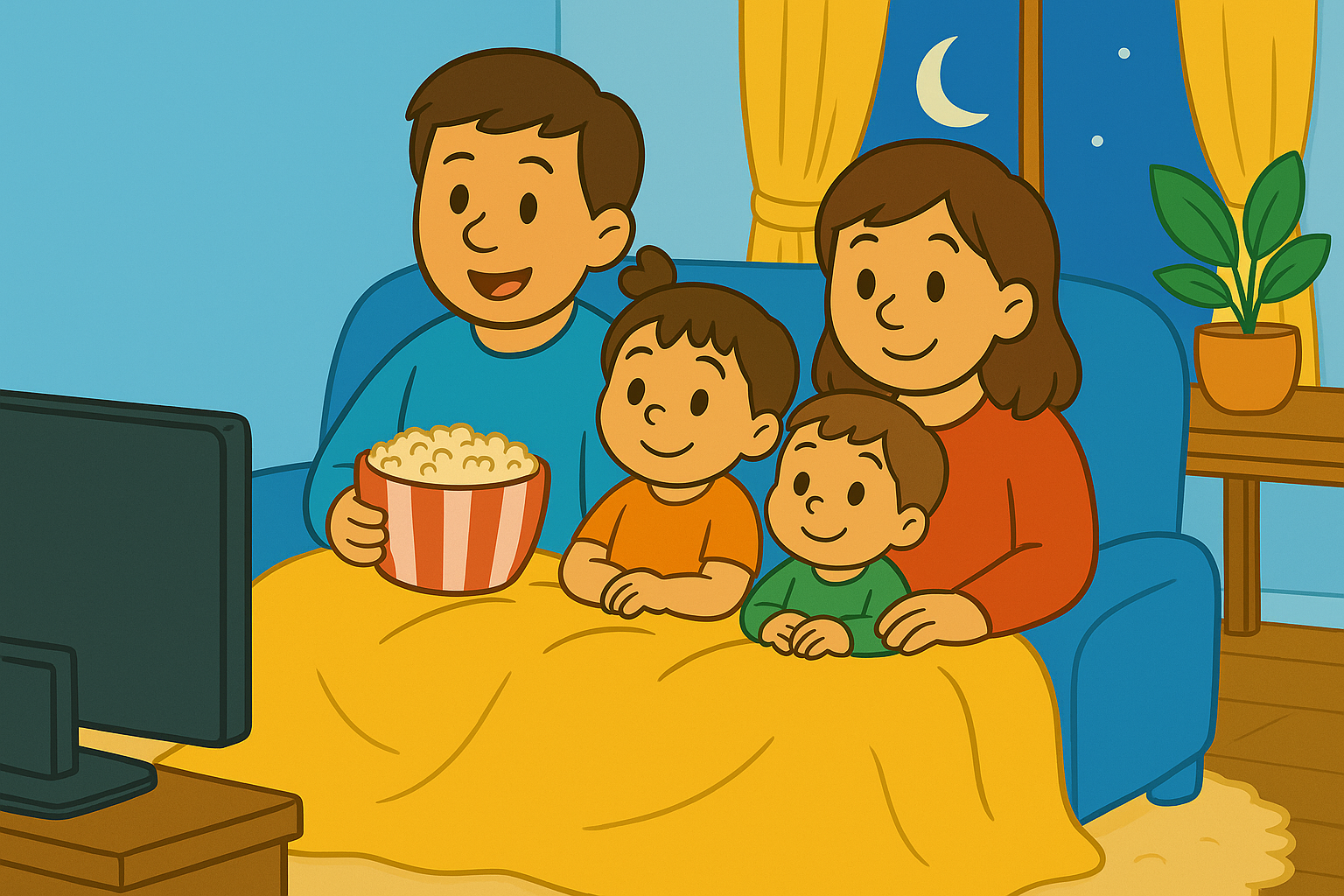
Before choosing movies, create a repeatable ritual. It doesn’t have to be fancy—just predictable and comforting:
A cozy blanket for each family member
Lights dimmed or fairy lights turned on
A short “check-in” before the movie: how do we feel today?
Snack choices that children help make
A pillow or cushion spot for every person
Tiny routines help children know what to expect—which keeps the experience calm and emotionally safe.
Spring Movie Themes – Growth and Curiosity
Spring is all about new beginnings, curiosity, and trying again when things feel uncertain. Choose movies that reflect exploration and resilience:
Characters discovering new places
Animals or creatures learning to adapt
Stories that celebrate growth and teamwork
Nature journeys or imaginative worlds
After the movie, guide gentle reflections:
“What helped the characters grow?”
“Did anyone learn from a mistake?”
“What do you want to grow this season?”
These themes echo ideas found in DIY Seasonal Puppet Theater Themes, where spring invites emotional renewal through imagination.
Summer Movie Themes – Play and Adventure
Summer invites brightness, confidence, and exploration. Movie choices might highlight:
Travel, bravery, or outdoor adventure
Friendships forming or being tested
Teams working together to solve problems
Stories with sunshine, movement, or discovery
Activities to enhance summer-themed movie nights:
Special “ticket” invitations children make themselves
A “movie picnic” on the floor
A post-movie art project about the adventure
For inspiration on creative environments, look back to Creative Indoor Play for Cold Winter Days, where children turn everyday spaces into imaginative landscapes.
Fall Movie Themes – Change and Reflection
As leaves change, stories often become softer and slower. Fall-themed movies help children process feelings of transition:
Brave characters facing something new
Creatures preparing for seasonal change
Stories about letting go or finding peace
Characters reflecting on past choices
Conversation prompts:
“Did this story show someone feeling nervous?”
“What changed in the character’s heart?”
“What helps you when things change?”
These ideas align beautifully with lessons from Fall Nature Walks: Teaching Change Through Seasons—where external transitions invite inner reflection.
Winter Movie Themes – Comfort and Connection
Winter movies can be cozy and heartwarming, even without focusing on holidays. Themes may include:
Finding warmth in friendship
Characters relying on teamwork
Quiet bravery during challenges
Hope when things feel cold or dark
Try pairing winter movies with:
Hot cocoa and blanket snuggles
Battery candles for atmosphere
Family “thank you circle” afterward
Family movies can help children understand that warmth doesn’t just come from weather—it comes from connection, similar to messages in How to Avoid Holiday Burnout as a Family.
Reflection Prompts for After the Movie
To keep the experience meaningful, use open-ended questions:
“What made you feel happy or calm?”
“Which character surprised you?”
“How did someone show kindness?”
“Could we try something from the story in real life?”
Children don’t need deep discussions—just time to process in their own way. Even one sentence shared aloud can help them connect feelings and ideas.
“Role Play Moments” for Active Learning
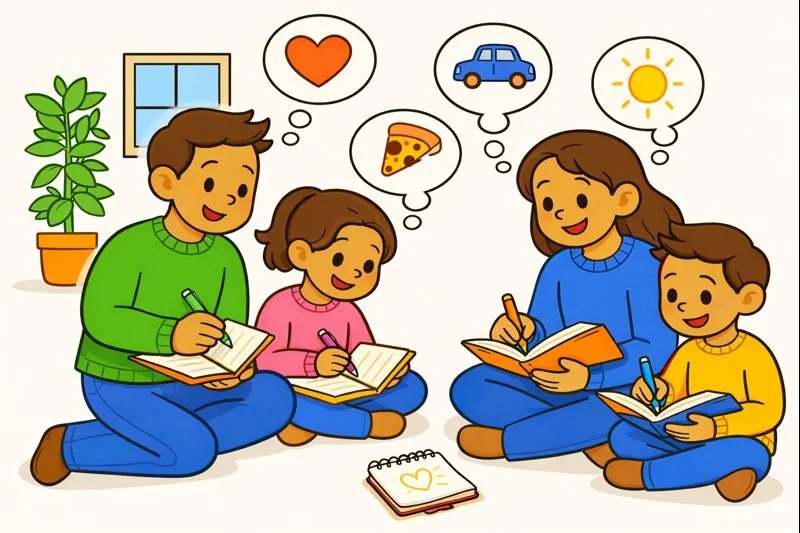
To bring movie lessons into play, invite children to act out small scenes or create their own version of a character’s journey:
Use puppets, toys, or costumes
Change the ending of the story
Add new challenges or friendships
Invent what happens after the movie ends
This keeps learning active, not passive—similar to storytelling strategies in Puppet Shows That Celebrate Acts of Kindness.
Including the Whole Family Without Pressure
Not everyone has to watch closely or participate in activities. Some may enjoy the snacks while others focus on the story. That’s okay. The goal is togetherness, not identical participation. For young children, even 30 minutes of engagement counts as success.
Offer roles:
Snack maker
Ticket designer
Movie chooser
Light operator
Story question reader
Every role matters—and every role builds confidence.
A Soft Way to End the Night
Help movie nights conclude gently:
Turn lights on slowly
Play soft music and stretch bodies
Use bedtime routine language (“safe to rest now”)
Read a short calming story if the movie was energetic
This helps children return from imagination to reality with ease.
The Meaning of the Tradition
Seasonal movie traditions don’t need to include elaborate plans or expensive streaming options. They simply need presence and rhythm. When families invite story, comfort, and reflection into their evenings, children begin to understand that every season—like every character—carries lessons worth noticing.
This content is for educational purposes and is not a substitute for professional medical or psychological advice.