How to Celebrate Winter Solstice With Kids
How to Celebrate Winter Solstice With Kids
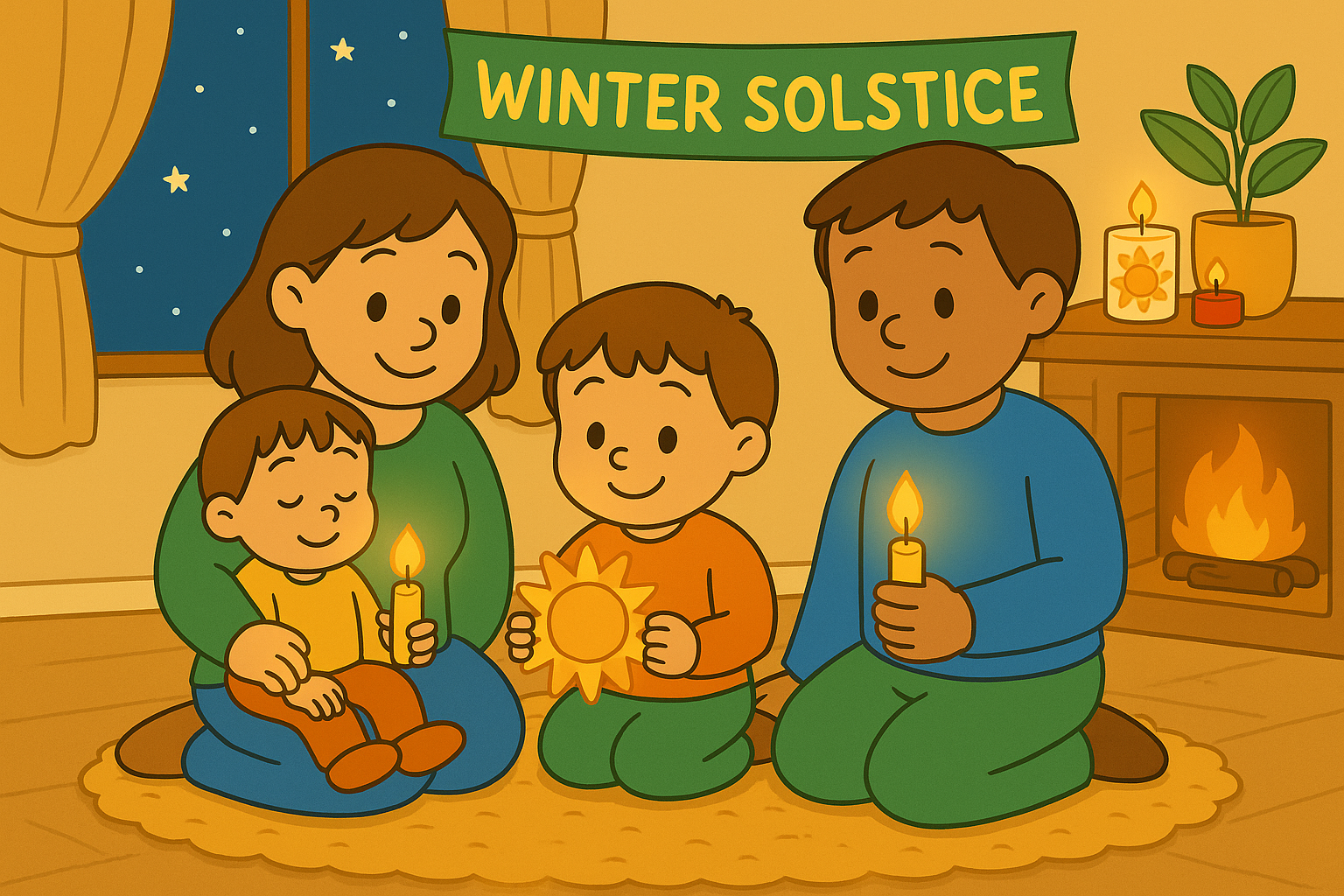
What Is the Winter Solstice?
The Winter Solstice is the shortest day and longest night of the year—a moment when the earth tilts farthest from the sun and begins its slow turn back toward light. It happens once a year and has been celebrated by cultures around the world for centuries. With children, it can become a peaceful, meaningful day to pause, reflect, and find joy in nature’s rhythms.
Unlike many holidays filled with presents and noise, the Winter Solstice can feel calm, quiet, and deeply grounding. It’s a reminder that even in darkness, light always returns. Teaching this idea gently helps children understand that life has seasons—both in nature and in their hearts.


Why Celebrate It With Children?
The Winter Solstice gives families a chance to:
Slow down and reflect
Create cozy traditions
Spend time in nature
Talk about hope and renewal
Practice mindfulness through play
Connect the body and the seasons
Unlike commercial holidays, solstice celebrations don’t focus on gifts. They emphasize presence, wonder, and gratitude—rhythms that align with themes covered in Turning Every Season Into a Learning Opportunity.
Introducing the Solstice Gently
Children don’t need a history lesson to understand the solstice. They simply need simple, sensory explanations:
“Today is the shortest day of the year.”
“Tonight is the longest night.”
“Starting tomorrow… the light comes back!”
You can bring out a globe, shine a flashlight as the sun, and demonstrate the earth’s tilt. Visuals make the idea easier to grasp. Encourage curiosity with questions:
“What does winter feel like to your body?”
“What do you think the sun is doing today?”
“How does the sky look different in winter?”
Simple invitations spark big thinking.
Creating a Solstice Nature Walk
A quiet walk can become the heart of your celebration. Try:
Listening for winter sounds
Collecting winter treasures (pinecones, sticks, dried berries)
Noticing animal tracks in snow or mud
Feeling the temperature change on cheeks and hands
Watching the early sunset together
Bring a thermos of warm cocoa and call it a “Sunset Celebration.” These gentle outings echo ideas explored in Fall Nature Walks: Teaching Change Through Seasons, connecting emotional learning with nature’s cues.
Solstice Crafts That Celebrate Light
Create art that honors light’s return using:
Gold or yellow tissue paper sun cutouts
Candle holders made from jars and tissue paper
Salt dough sun symbols
Paper lanterns hung near windows
Painted stones for a “path of light” on the table
Let kids proudly display their creations in the evening when darkness settles. They’ll see how they helped bring brightness into the room.
A Cozy Solstice Evening Ritual
After sunset, create a peaceful nighttime gathering:
Turn off most lights
Light candles (or battery tea lights)
Sit together with blankets and pillows
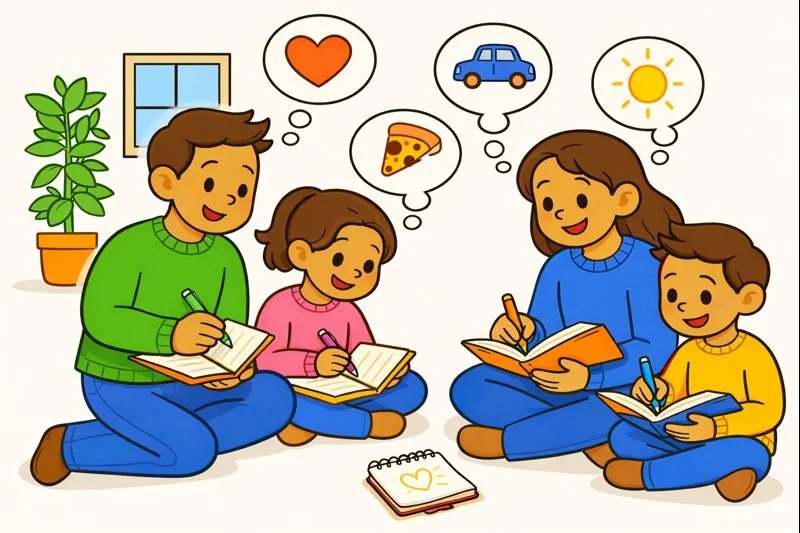
Tell stories about the year
Share wishes for the months ahead
Play soft winter music
This quiet ritual teaches children that celebration doesn’t always need noise to be meaningful—similar to emotional grounding practices in Helping Kids Handle Gift Disappointment Gracefully.
Storytelling by Candlelight
Stories help children connect to inner light. Try:
Myth or folktales about the sun returning
A made-up puppet tale about a light lost and found
Family stories about challenges overcome
A memory of the year that made you feel strong
Invite children to tell their own short stories. The slower pace encourages presence—and sometimes deep reflection, too.
Simple Solstice Treats to Make Together
Food can reflect the theme of light and warmth. Try:
Orange slices dipped in chocolate
Sun-shaped sugar cookies
Cinnamon stick tea
Roasted vegetables with golden color
Warm bread shaped like spirals or suns
Cooking together supports cooperation and math skills—similar to the playful methods in Baking Traditions That Teach Math and Cooperation.
Gifts of Intention (No Purchases Needed)
Instead of toys or items, create symbolic gifts:
A handwritten wish for someone
A drawing of strength or hope
A homemade bookmark with encouraging words
A kindness coupon (hug, chore help, cheer-up note)
A “light jar” filled with paper messages of gratitude
These gifts aren’t about ownership—they’re about heart. That distinction builds emotional resilience over time.
Looking Ahead to Brighter Days
The solstice marks a turning point. Tomorrow will be brighter—literally. You can track daylight using a simple calendar or window marker chart. Ask each morning:
“Does today feel a little brighter?”
“What light can we share today?”
This helps children understand that change can happen slowly—and yet still be powerful.
A Celebration of Hope
By honoring the solstice, families teach children that quiet moments matter. That rhythm matters. That growth doesn’t always arrive loudly—sometimes it begins in stillness. And right when the night feels longest, light begins to return.
That lesson is more than seasonal—it is life-giving. And every child deserves to feel it.
This content is for educational purposes and is not a substitute for professional medical or psychological advice.