Teaching Empathy Through Gift-Giving
Teaching Empathy Through Gift-Giving
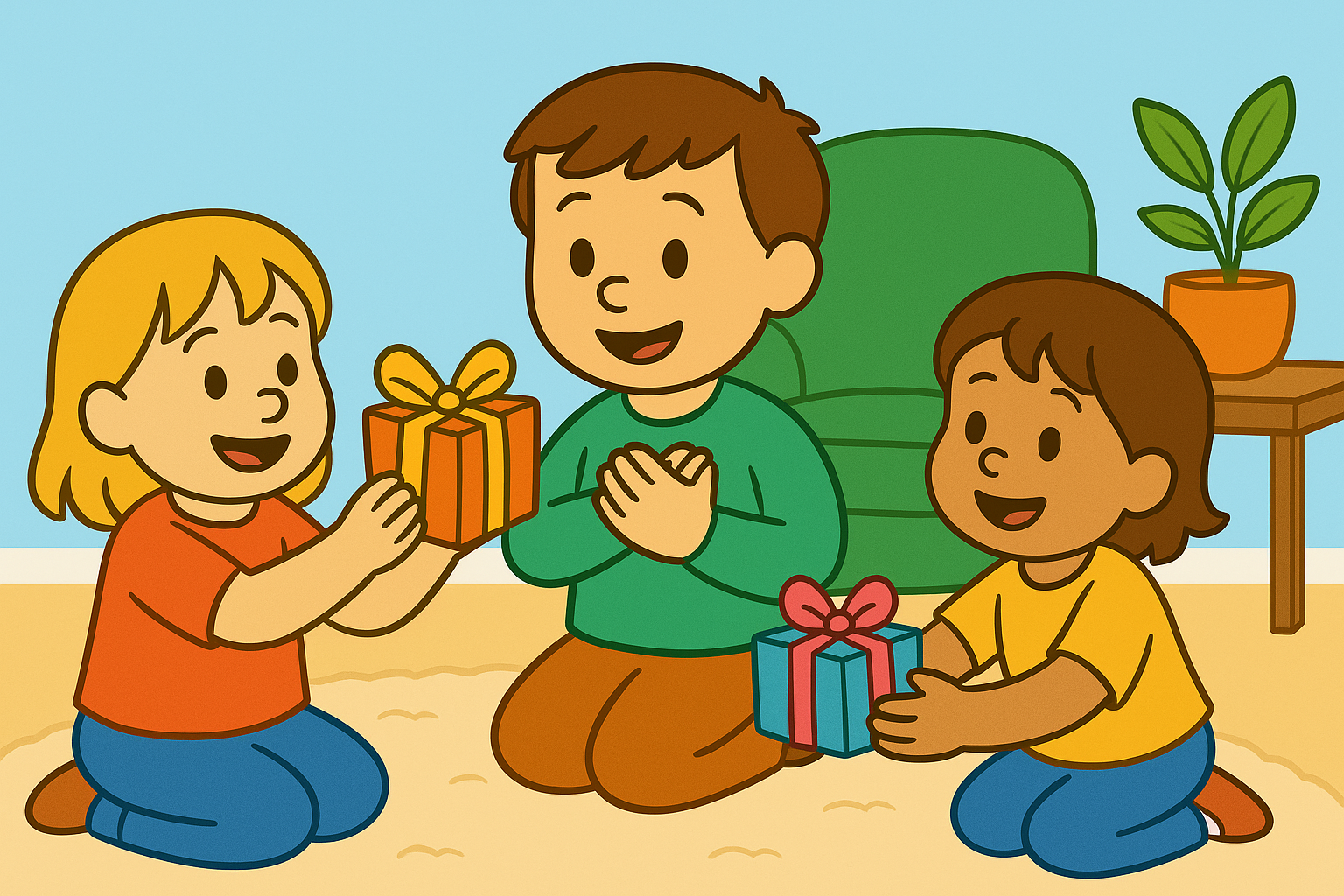
Why Gift-Giving Is a Powerful Way to Teach Empathy
Children are naturally generous. Even before they fully understand the concept of gifts, they instinctively enjoy handing their toys to caregivers, offering a snack, or sharing a drawing. Gift-giving taps into this instinct and transforms it into an opportunity for emotional growth. When children choose, create, or give a gift, they step outside their own needs and begin to imagine someone else’s feelings. That moment—when they wonder what will bring joy to another person—is the start of empathy.
The holidays often highlight giving, but children can feel pressured by expectations or overstimulated by the excitement. By reframing gift-giving as a gentle, thoughtful process rather than a rush to buy or receive, families can nurture empathy in meaningful, lasting ways.


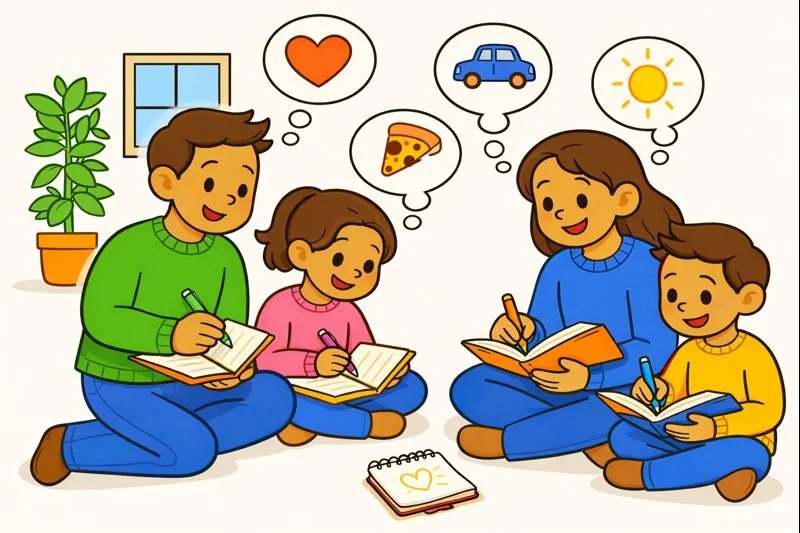
Helping Kids Shift From “What Do I Want?” to “How Do Others Feel?”
For young children, gifts often revolve around receiving. That is developmentally normal. But with guidance, kids can learn to experience the joy of giving just as strongly. The key is prompting curiosity about others.
Try questions like:
“What does Grandma really love?”
“How can we make Dad smile today?”
“What color do you think your friend likes best?”
“What could make someone feel cozy or happy?”
These questions activate imagination and perspective-taking—essential building blocks of empathy.
Emphasizing Meaning Over Materials
Children learn empathy best when gift-giving feels emotionally significant rather than transactional. Emphasize:
Thoughtfulness over cost
Creativity over perfection
Personal connection over trendiness
A child who proudly hands over a homemade bookmark or a hand-painted stone often feels more invested in the act than if they picked out a mass-produced item. This mirrors the heart-centered approach described in Simple Homemade Gifts Kids Can Make and Give, where the process itself becomes the gift.
Letting Kids Take the Lead in the Giving Process
The more ownership children have over gift-giving, the more they internalize its emotional impact. Invite them to:
Choose the gift
Create something with their hands
Wrap the gift
Deliver it personally
Write or dictate a message
Even very young children can contribute by decorating wrapping paper with doodles, picking colors, or placing stickers. Their investment transforms the experience from obligation to celebration.
Using Storytelling and Puppets to Model Empathy
Puppets provide a deeply relatable way to teach emotional skills. Children naturally project feelings onto puppet characters, making it easier to explore empathy in a safe, playful way.
Try acting out:
A puppet choosing a gift for a friend
A character wondering what would make another smile
A character feeling nervous about receiving something handmade
A group of puppets working together to surprise someone
These scenes mirror the imaginative lessons found in Puppet Ideas for Kindness-Themed Winter Stories, where stories become gentle emotional teaching tools.
Creating “Empathy Moments” While Crafting Gifts
While children make gifts, look for small opportunities to pause and reflect. Ask:
“How do you think they’ll feel when they see this?”
“What made you pick this color?”
“Why do you think this gift will help them?”
These questions help kids articulate thoughtfulness and connect emotionally with the process.
Encouraging Kids to Notice Feelings During Gift Exchanges
Empathy grows when children pay attention not only to what they give but also to the emotional response of the person receiving it. Encourage them to watch for:
Smiles
Surprised expressions
Gratitude
Happy tears
Calmness
Body language that shows appreciation
Afterward, help them reflect: “What did you notice when they opened your gift?”
This helps them connect action to impact, strengthening emotional awareness.
Teaching Appreciation for Gifts They Receive
Empathy isn’t only about giving—it’s also about receiving with kindness. Kids may feel surprised, confused, or disappointed by certain gifts, especially during holidays. Supporting them through those emotions helps strengthen emotional maturity.
Parents can guide children in responding with:
Gratitude
Eye contact
A simple acknowledgment
A genuine smile
This process connects naturally to the ideas in Helping Kids Handle Gift Disappointment Gracefully, where children learn to regulate emotions in socially complex moments.
Creating Family Rituals Around Empathy
Rituals make lessons stick. Consider adding empathy-focused traditions, such as:
A “giving night” where everyone shares a handmade creation
A gratitude circle after opening gifts
A tradition of choosing one community member to surprise each year
A kindness-driven advent or countdown activity
A reflection jar: “How did we give kindness today?”
These rituals make empathy a recurring theme rather than a seasonal moment.
Celebrating the Feelings Behind the Gift
At the end of every gift-giving experience—big or small—help children tune into their emotions. Ask:
“How did giving make your heart feel?”
“What part was your favorite?”
“Who would you like to give something to next time?”
Guide them to notice the warm, connected feeling that comes from generosity. Over time, this feeling becomes the motivation behind future acts of kindness.
Children discover that giving isn’t about the object—it’s about the relationship. The joy they feel becomes a cornerstone of their emotional development.
Raising Empathetic Givers for Life
When families emphasize empathy through gift-giving, they raise children who look outward with compassion and inward with confidence. Children begin to understand:
My actions matter
I can make people feel loved
Thoughtfulness is powerful
Giving connects me to others
Kindness creates joy
These are lessons that last far beyond the holiday season.
This content is for educational purposes and is not a substitute for professional medical or psychological advice.