The Joy of Giving: Family Volunteer Ideas
The Joy of Giving: Family Volunteer Ideas
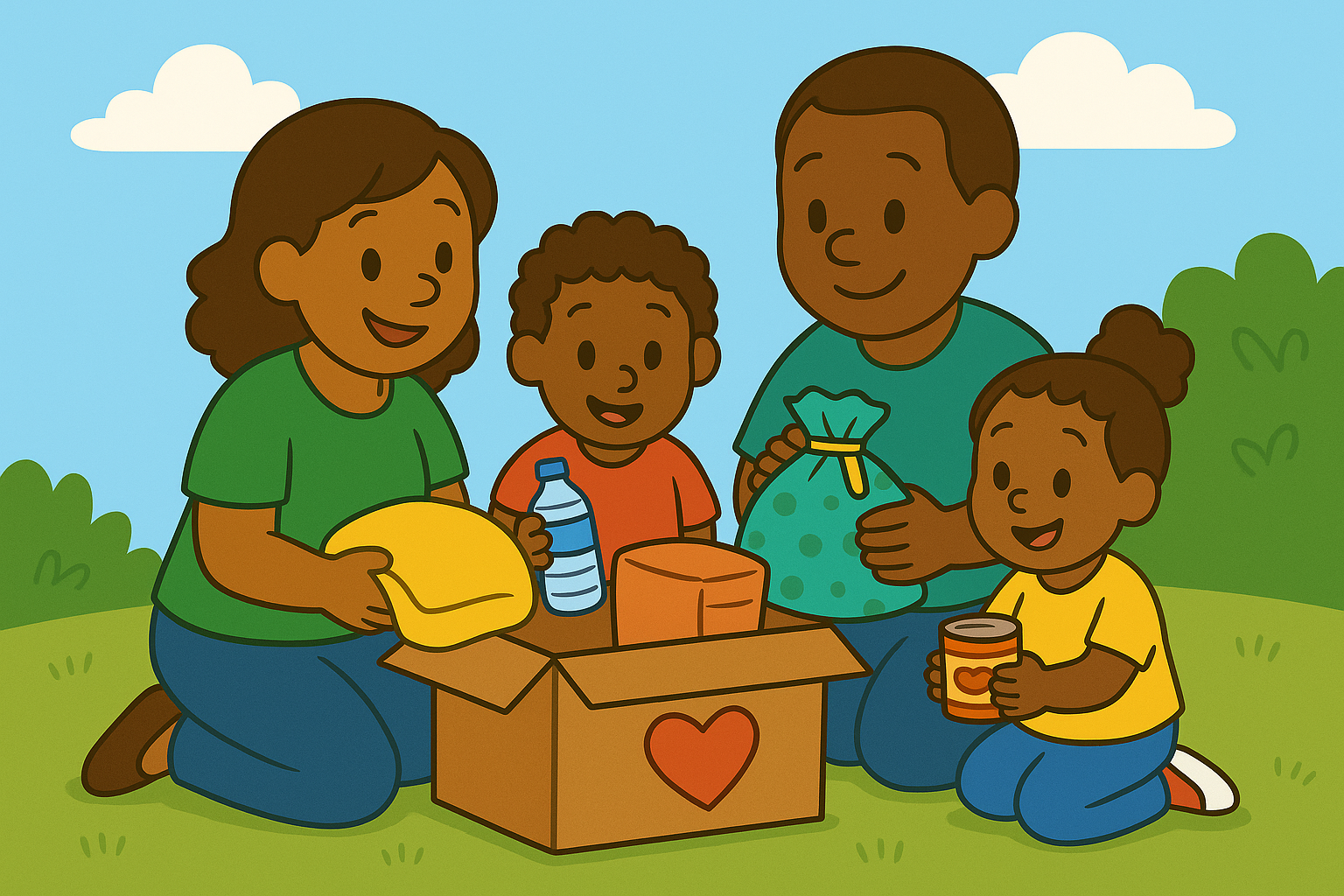
Why Giving Helps Kids Feel Connected
Children naturally look for ways to participate in the world around them. They want to feel useful, valued, and part of something larger than themselves. Volunteering—even in small, child-friendly ways—gives them this opportunity. It allows kids to experience the joy of helping others, the pride of contributing, and the comfort of knowing their actions matter.
More importantly, giving reinforces emotional skills: empathy, gratitude, patience, teamwork, and compassion. These traits become especially powerful when learned in childhood, shaping how kids treat others for the rest of their lives. Volunteering as a family strengthens bonds, builds shared memories, and teaches children that generosity isn’t just seasonal—it’s a mindset they can carry into every part of life.


Shifting the Focus From “Big Acts” to “Right-Sized Acts”
Families sometimes feel pressure to volunteer in grand or time-consuming ways, but small acts often have the greatest impact on young children. Kids learn best when they can:
See the result of their actions
Participate hands-on
Connect emotionally with the experience
Understand the purpose behind the activity
A “right-sized” act of giving might be as simple as helping a neighbor, making a card, or donating books. These gestures feel accessible and deeply meaningful, especially for younger children.
Choosing Volunteer Activities That Match Your Family’s Rhythm
Volunteering should feel joyful, not stressful. The best ideas fit your family’s schedule, interests, and energy levels. Ask yourselves:
Do we enjoy indoor or outdoor activities?
Would the kids prefer hands-on projects or people-focused ones?
Do we want a one-time experience or a recurring ritual?
What do we hope to learn or feel through this?
Choosing activities that feel natural protects the emotional tone of giving and ensures kids associate volunteering with warmth, not overwhelm.
Idea 1: Creating Care Kits for Community Members
Care kits are simple, high-impact projects that even toddlers can help assemble. Families can fill bags with items such as:
Snacks
Water bottles
Warm socks
Tissues
Lip balm
A handmade card
A small drawing from your child
Kids love picking items, arranging them, and imagining who might receive them. This kind of giving echoes the gentle emotional themes found in Puppet Ideas for Kindness-Themed Winter Stories, where simple acts of generosity create meaningful change.
Idea 2: Seasonal Clean-Up Walks
Pick a park, neighborhood street, or nature trail and spend time collecting litter together. Give each child a small bag, gloves, and a clear boundary to explore. Celebrate afterwards by noticing:
How the space looks cleaner
How their actions helped animals and neighbors
How teamwork created visible change
This small ritual also deepens kids’ understanding of caring for the environment, connecting naturally to lessons explored in Fall Nature Walks: Teaching Change Through Seasons.
Idea 3: Making Cards for Neighbors, Nursing Homes, or Teachers
Handmade cards are one of the most accessible ways children can express giving. They can decorate with:
Stickers
Crayons
Simple messages
Handprints or finger-painted shapes
Delivering the cards becomes part of the joy. Kids see someone smile, and the meaning becomes tangible.
Idea 4: Donating Books, Toys, or Clothes With Intention
Instead of a rushed decluttering session, make giving away items a mindful family ritual. Invite children to choose items they feel ready to pass on. Ask questions like:
“Who might enjoy this now?”
“Why do you want to give this to someone else?”
Connecting the action to meaning helps children understand generosity at a deeper level. This approach mirrors the reflection practices found in Teaching Kids About the Meaning Behind Holidays, where children learn to explore the “why” behind traditions.
Idea 5: Baking Treats for Helpers in the Community
Children love baking, stirring, pouring, and taste-testing. Use that excitement to create small treat boxes for:
Firefighters
Librarians
Teachers
Delivery drivers
Crossing guards
Attach a picture or note drawn by your child. This idea harmonizes beautifully with themes from Baking Traditions That Teach Math and Cooperation, where cooking becomes a hands-on act of connection.
Idea 6: Making Puppet Shows That Highlight Giving
Puppets allow kids to express generosity in imaginative ways. Create short skits where characters:
Help a friend in need
Share resources
Offer comfort
Work together toward a goal
Children understand giving more deeply when they see characters model it—and when they act it out themselves.
Turning Volunteer Activities Into Tradition
What begins as a one-time activity can become a treasured family ritual. Consider:
Seasonal volunteer days
A monthly “giving project”
A birthday tradition of donating or helping
A holiday kindness calendar
A “volunteer jar” filled with ideas kids can pick from
When giving becomes woven into your family rhythm, children see generosity as a normal, joyful part of life—not a requirement or chore.
Celebrating the Feelings Giving Creates
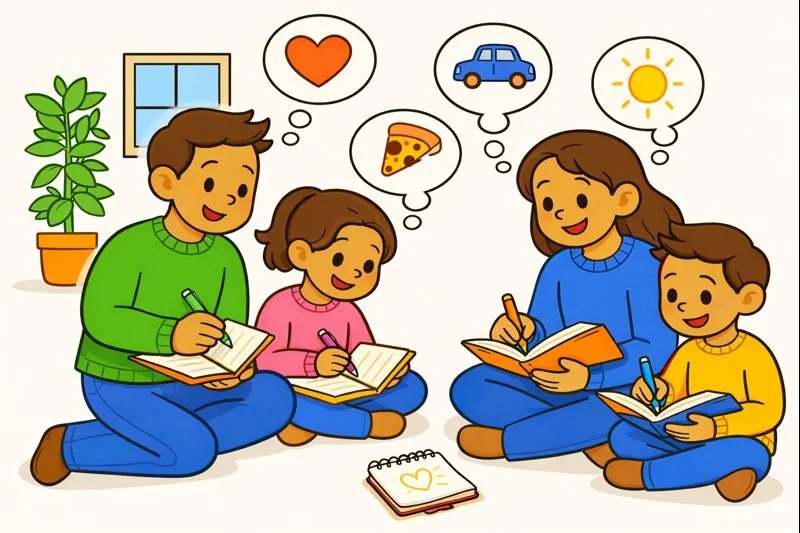
End each volunteer activity with a family reflection moment:
“How did it feel to help someone today?”
“What part made you proud?”
“What would you like to do again?”
These conversations help children recognize and name the emotional impact of giving. They begin to internalize that warm, glowing feeling that comes from making someone else’s life a little brighter.
This content is for educational purposes and is not a substitute for professional medical or psychological advice.