Building Tech Literacy Without Fear or Restriction
Building Tech Literacy Without Fear or Restriction
Why Tech Literacy Doesn’t Have to Be Scary
For many parents, “tech literacy” feels loaded. It brings up worries about online safety, screen addiction, inappropriate content, and losing control. Because of this, tech literacy is often framed as something kids need protection from, rather than something they can grow into with guidance.
But true tech literacy isn’t about fear-based warnings or tight restrictions. It’s about helping kids understand how technology works, how it affects them, and how to make thoughtful choices as users. When children feel trusted and supported instead of monitored or limited, they’re far more likely to engage responsibly.
Building tech literacy without fear means shifting from control to confidence — for both kids and parents.


What Tech Literacy Really Means for Kids
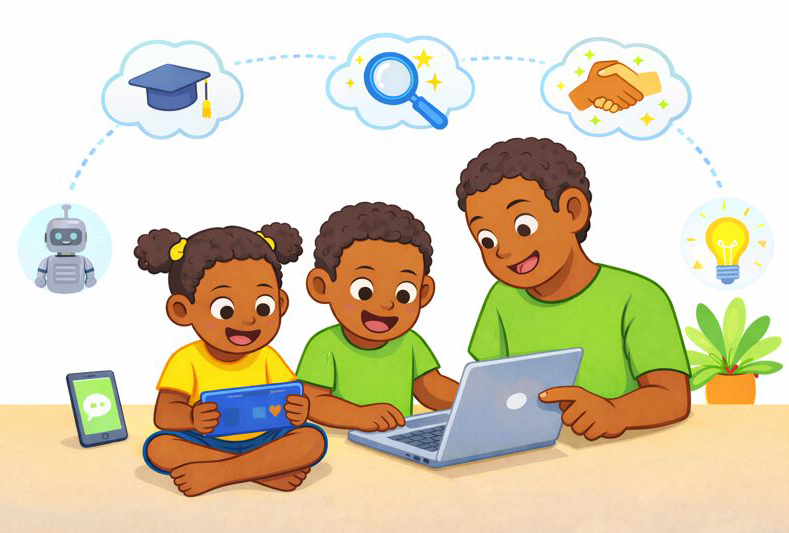
Tech literacy goes far beyond knowing how to tap, swipe, or open apps. It’s a set of awareness skills that help children navigate digital spaces with understanding and intention.
Tech-literate kids are learning to:
Understand what technology is designed to do
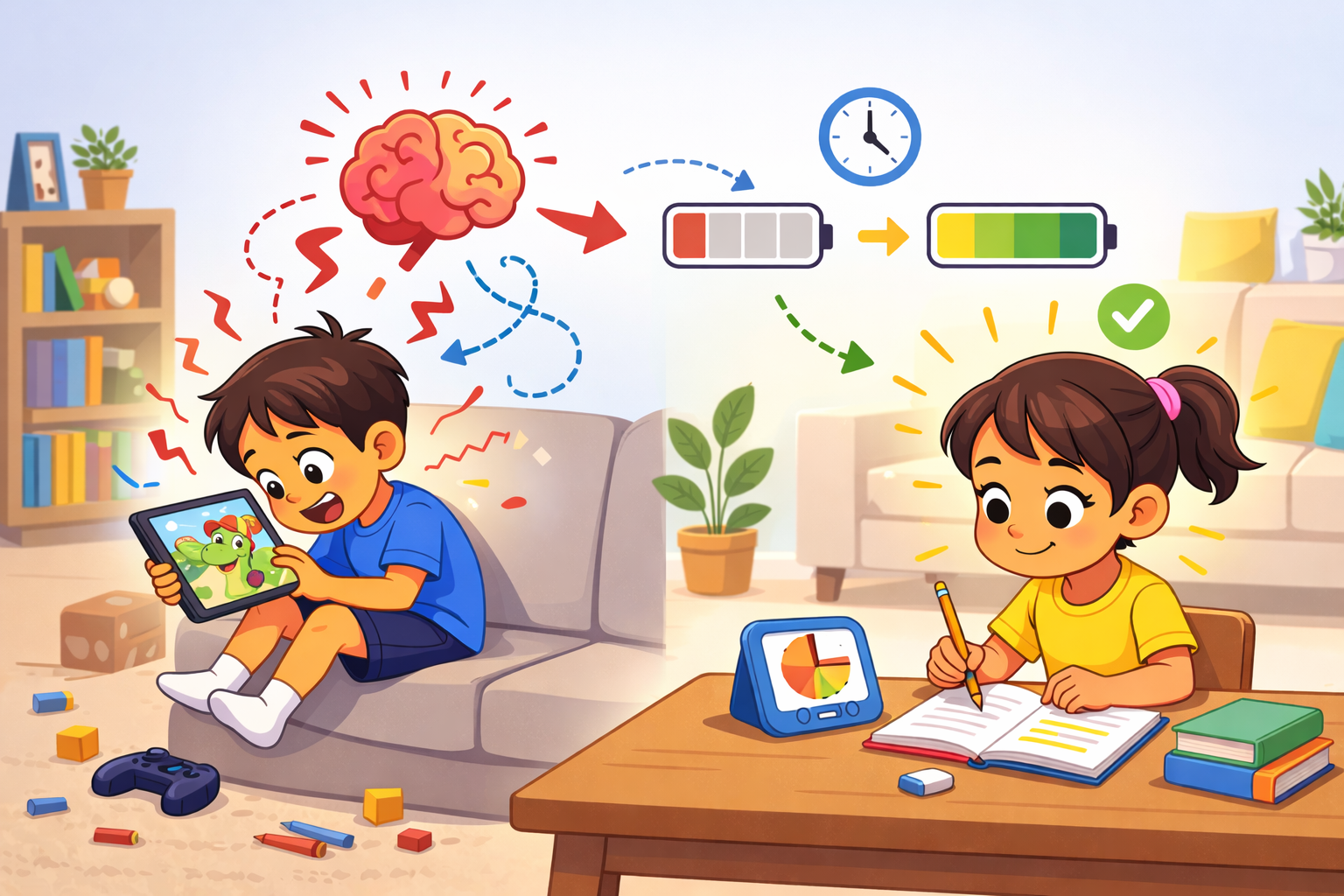
Recognize how digital tools influence attention and emotions
Ask questions about content and sources
Make choices instead of reacting automatically
These skills develop gradually and don’t require constant supervision — they require conversation and experience.
Why Fear-Based Messaging Backfires
When technology is framed as dangerous or overwhelming, kids don’t become safer — they become secretive or disengaged. Fear shuts down curiosity, and curiosity is essential for learning.
Fear-based approaches often lead to:
Kids hiding mistakes instead of asking for help
Resistance to conversations about tech
Anxiety around digital exploration
Overreliance on external controls
A calmer, more open approach invites kids to participate in their own learning instead of avoiding it.
Teaching Kids How Technology Is Designed
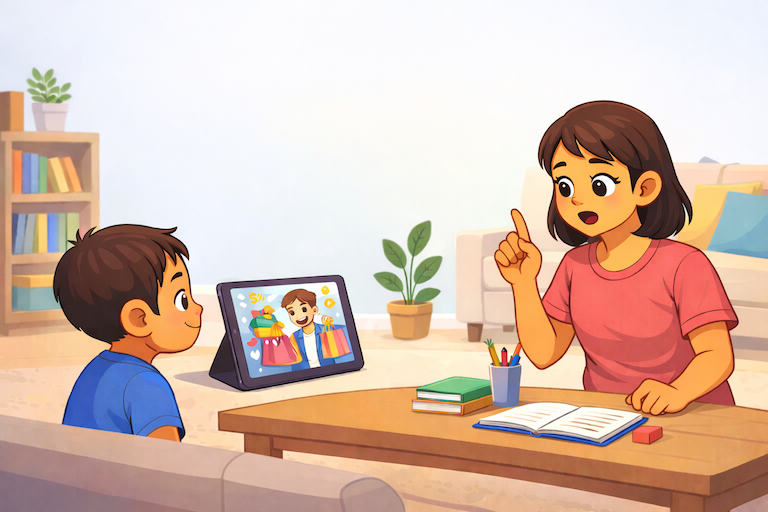
One of the most empowering parts of tech literacy is understanding why apps and platforms behave the way they do. Kids don’t need technical jargon — they need simple explanations.
Parents can help kids notice:
Why videos autoplay
Why notifications feel urgent
Why some content is hard to stop watching
These conversations connect naturally with Teaching Kids to Pause Before They Click, where understanding design reduces impulsive behavior.
Replacing Restriction With Skill-Building
Restrictions may limit exposure, but they don’t build understanding. Skills, on the other hand, travel with kids wherever they go — even when adults aren’t present.
Skill-based tech literacy includes:
Pausing before clicking or sharing
Checking how content makes them feel
Asking questions when something feels off
Knowing when to step away
This mindset aligns closely with Building Digital Resilience: Helping Kids Handle Online Challenges, where confidence grows through practice, not avoidance.
Talking About Online Content Without Panic
Kids will eventually encounter confusing, misleading, or emotionally intense content. How adults respond in those moments matters more than the content itself.
Supportive responses often include:
Staying calm instead of reacting strongly
Asking what the child noticed or felt
Offering context without overexplaining
Letting Kids Explore Within Clear, Calm Boundaries
Tech literacy doesn’t require unlimited access — but it also doesn’t require tight restriction. It thrives in the space between, where kids are allowed to explore while knowing support is nearby.
When children are given age-appropriate freedom with guidance, they learn through experience. They test ideas, make small mistakes, and build confidence navigating digital spaces — all while knowing they can come to a trusted adult without fear of punishment.
This balance helps kids internalize values instead of relying solely on rules.
Using Mistakes as Learning Moments
Mistakes are an inevitable part of learning — especially in digital spaces. Clicking something unintended, misreading tone, or spending too much time online are all opportunities to build literacy.
Parents can turn mistakes into growth by:
Focusing on what was learned
Avoiding shame-based reactions
Talking through alternative choices
This approach reinforces tech literacy as a skill set, not a pass/fail test.
Modeling Tech Literacy in Everyday Life
Children learn how to interact with technology by watching adults do it. Modeling thoughtful behavior teaches far more than lectures ever could.
Tech-literate modeling might include:
Naming why you’re using a device
Pausing notifications intentionally
Talking out loud about digital decisions
This everyday modeling connects naturally with Digital Role Modeling: How Your Own Habits Shape Theirs, where kids absorb habits through observation.
Building Confidence as Kids Grow More Independent
As kids get older, they’ll spend more time online without direct supervision. Tech literacy prepares them for that independence by giving them internal guidance.
Tech-literate kids are more likely to:
Trust their own judgment
Ask questions when unsure
Handle challenges without panic
Confidence grows when kids feel capable — not controlled.
Raising Capable Digital Thinkers, Not Restricted Users
The ultimate goal of tech literacy isn’t perfect behavior or total safety. It’s raising kids who understand technology well enough to use it thoughtfully, critically, and responsibly.
Families who focus on literacy over restriction often notice:
More honest conversations
Fewer power struggles
Greater confidence around tech
Kids who think before they engage
This content is for educational purposes and is not a substitute for professional medical or psychological advice.