Teaching Kids to Reflect on What They Watch
Teaching Kids to Reflect on What They Watch
Why Reflection Matters More Than Content Control
Parents often focus on what kids are watching — whether it’s educational, age-appropriate, or calm enough. While content matters, reflection matters more. Without reflection, even high-quality media passes through a child’s mind without leaving much behind.
Reflection turns watching into learning. It helps kids notice emotions, ideas, values, and cause-and-effect. Instead of absorbing media passively, children begin to process it — which strengthens critical thinking, emotional awareness, and self-regulation over time.
Teaching kids to reflect doesn’t mean quizzing them after every show. It means helping them slow down just enough to notice what they experienced and how it made them feel.


What “Reflection” Looks Like for Young Children
Reflection doesn’t need to be abstract or verbal-heavy — especially for young kids. It often shows up through simple noticing and expression.
Reflection for young children may include:
Naming a favorite moment
Imitating a character’s actions
Drawing something they saw
Re-enacting a scene through play
These small acts signal that a child is processing rather than just consuming.
Why Kids Don’t Reflect Automatically
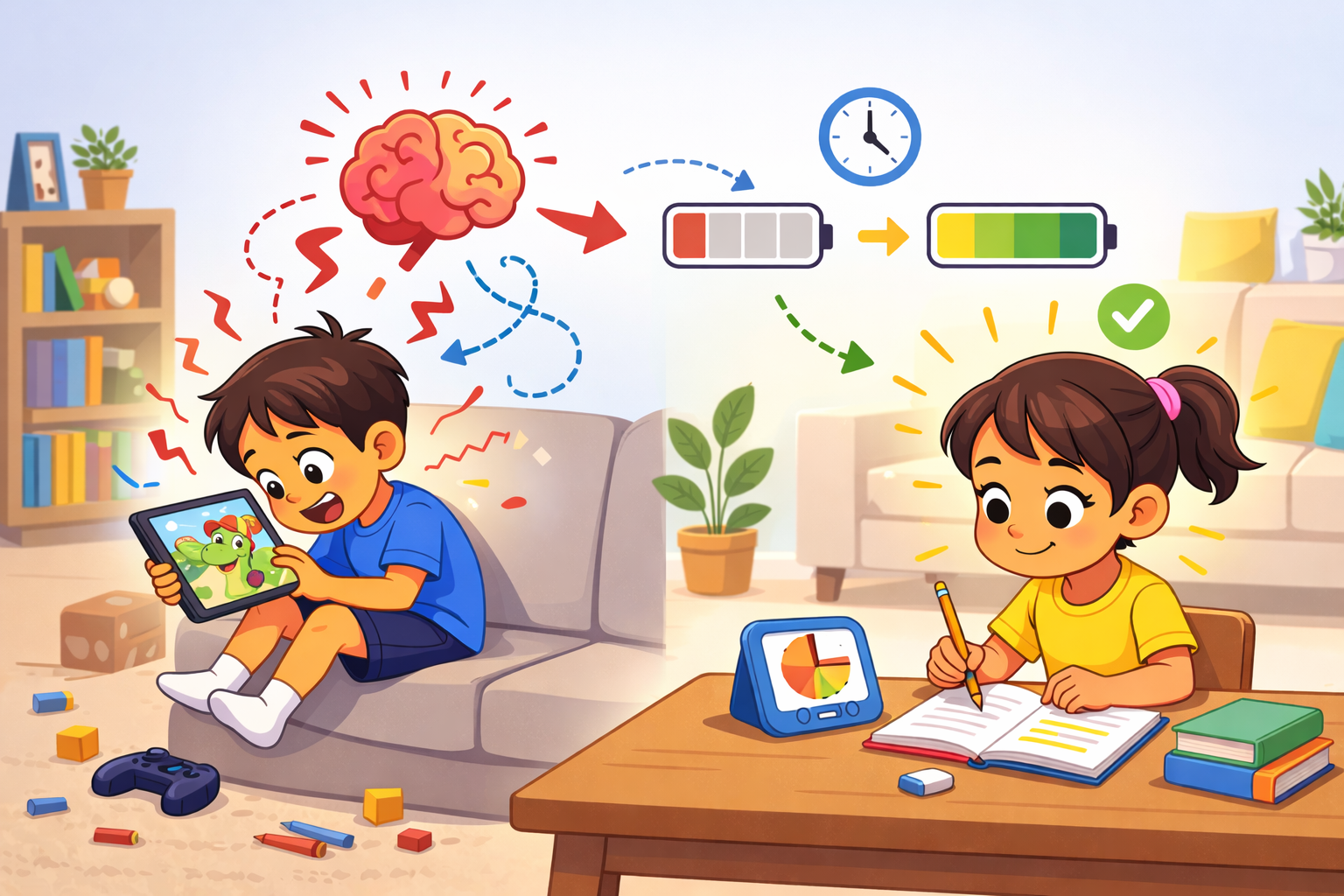
Reflection is a learned skill. Most digital media is designed to move quickly and pull attention forward, leaving little space to pause or think.
Kids often skip reflection because:
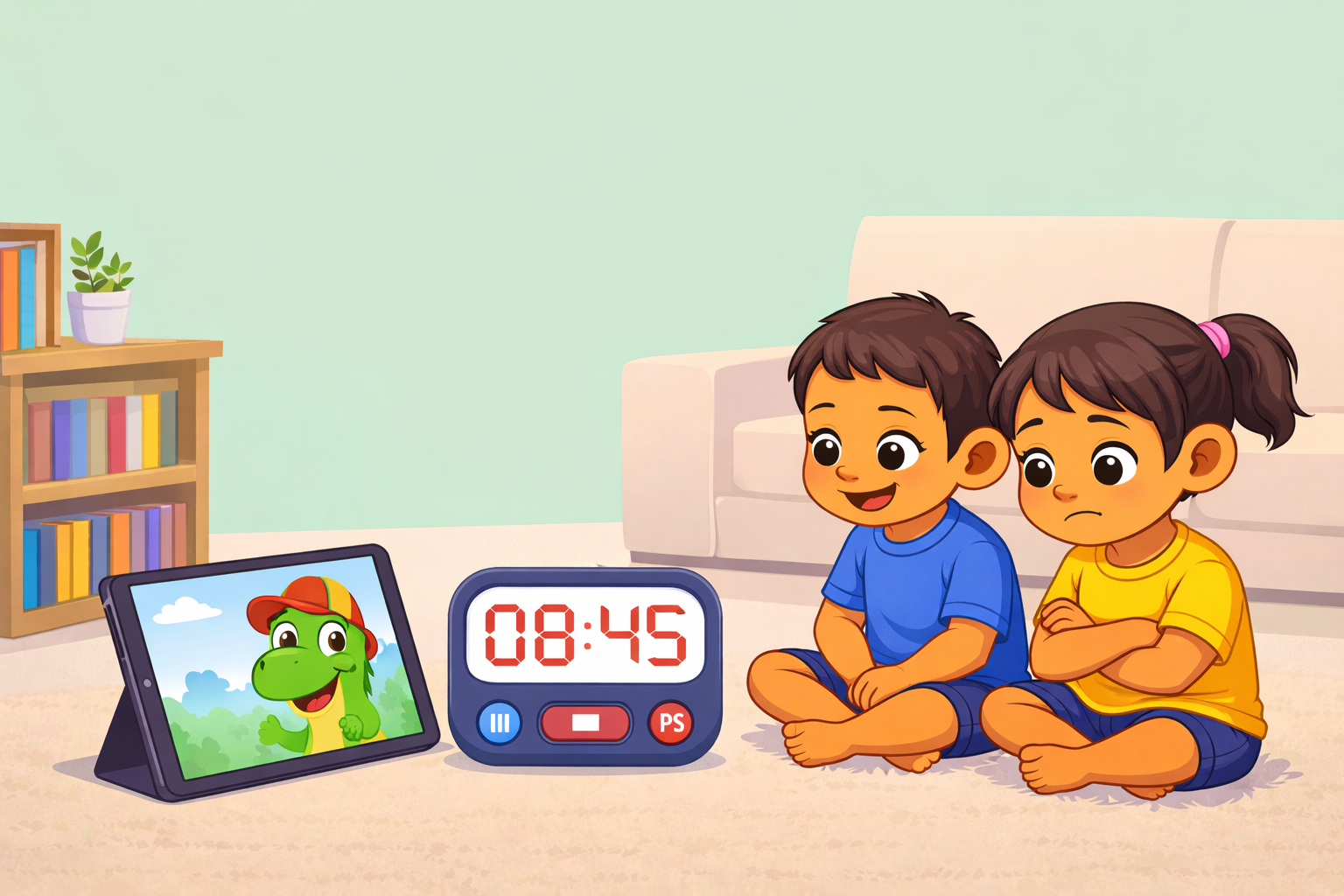
Content ends abruptly and auto-plays
Transitions happen too fast
They lack language for internal experiences
Adults don’t model reflection
Without gentle scaffolding, the brain defaults to moving on rather than looking back.
Creating Small Pauses That Invite Reflection
Reflection thrives in pauses — not lectures. Even a few seconds between watching and the next activity can make a difference.
Helpful pause practices include:
Turning the screen off before talking
Sitting quietly for a moment
Asking a single open-ended question
These pauses signal that what was watched matters enough to notice.
Asking Questions That Don’t Feel Like Tests
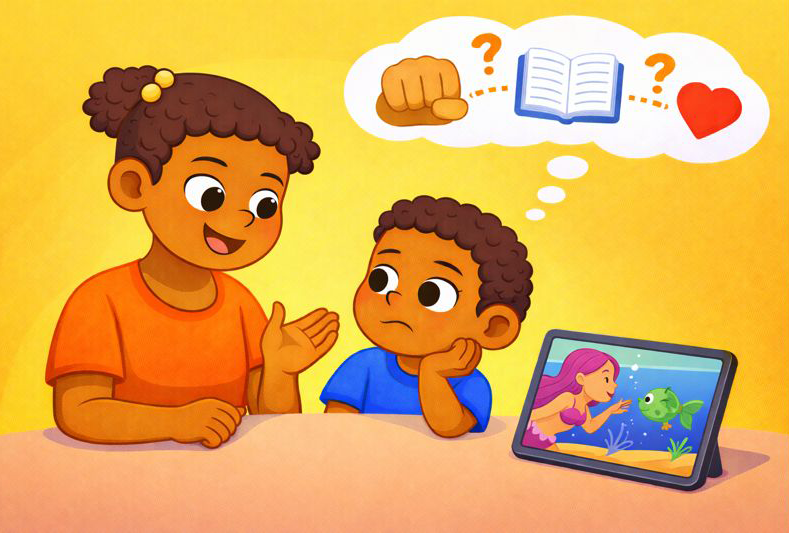
The right questions invite curiosity rather than defensiveness. Reflection questions work best when they feel optional and conversational.
Gentle reflection prompts might include:
“What part stood out to you?”
“How do you think that character felt?”
“Would you want to be in that story?”
These prompts support emotional awareness in ways similar to Teaching Emotional Awareness Through Media Characters, but without turning reflection into a lesson.
Letting Kids Reflect in Non-Verbal Ways
Not all reflection needs words. Many children process experiences through movement, art, or play.
Non-verbal reflection might look like:
Acting out scenes
Building something inspired by the show
Drawing characters or settings
Humming or repeating dialogue
These expressions still count as reflection — even if kids never explain them.
Modeling Reflection as a Normal Habit
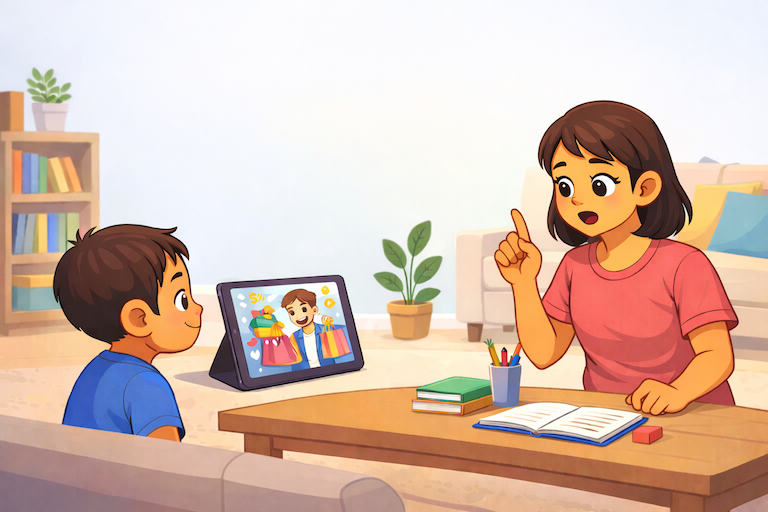
Kids learn how to reflect by watching adults do it. When parents share their own thoughts casually, reflection becomes part of everyday life.
Saying things like “That part made me laugh” or “I felt sad for that character” helps kids see reflection as normal, not evaluative. Over time, children begin doing the same — without being prompted.
This modeling builds awareness naturally, without pressure or performance.
Using Shared Viewing to Deepen Reflection
Watching together creates natural opportunities for reflection because adults can notice emotional or meaningful moments alongside kids.
Shared viewing supports reflection by:
Highlighting emotional cues
Creating shared reference points
Encouraging conversation afterward
This approach connects closely with Family Movie Nights That Spark Conversations (Not Just Screen Time), where shared experiences invite deeper thinking.
Helping Kids Notice Messages and Values
As kids grow, reflection can expand to noticing messages — not just moments. This doesn’t require critique, just awareness.
Parents can gently support this by helping kids:
Notice how characters treat others
Observe problem-solving choices
Recognize kindness or unfairness
This kind of reflection supports early digital citizenship, echoing ideas in Raising Digital Citizens: Teaching Online Safety and Kindness.
Reflecting Without Overanalyzing
Too much analysis can shut reflection down. Kids don’t need to unpack every scene or explain every feeling.
Healthy reflection often means:
Letting conversations stay short
Accepting “I don’t know” answers
Moving on when interest fades
Reflection should feel light and supportive — not heavy or academic.
Helping Reflection Become a Lifelong Skill
The goal of teaching reflection isn’t to manage screen time forever. It’s to help kids develop an internal habit of noticing how media affects them.
Children who reflect regularly often:
Choose content more intentionally
Recognize when something feels overwhelming
Transition away from screens more easily
Think critically without being prompted
That skill lasts far beyond childhood — and far beyond screens.
This content is for educational purposes and is not a substitute for professional medical or psychological advice.