Creative Gift Wrapping Ideas Kids Can Help With
Creative Gift Wrapping Ideas Kids Can Help With
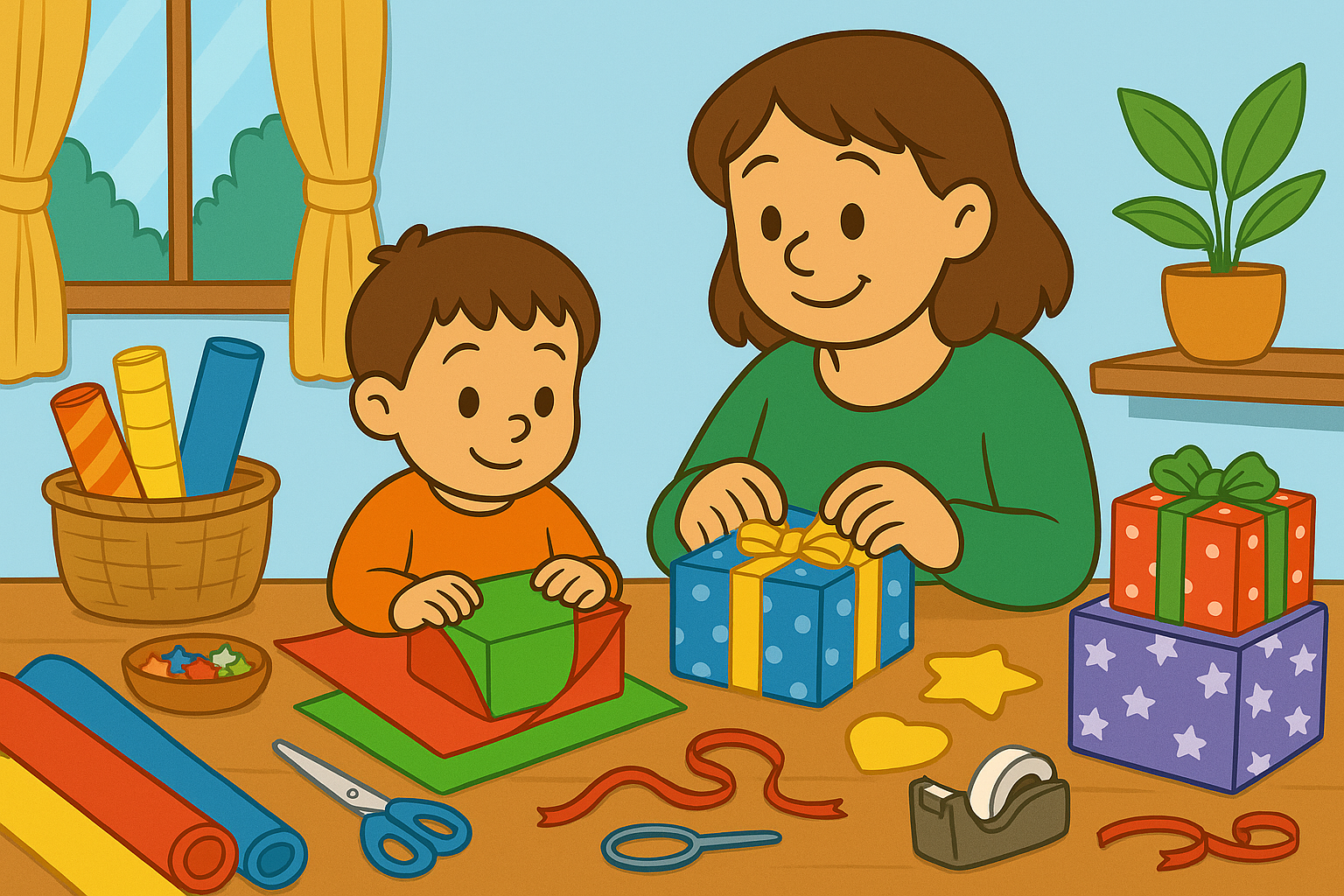
Why Gift Wrapping Is a Meaningful Learning Moment
Gift wrapping is one of those activities that feels simple on the surface but holds incredible potential for connection, creativity, and learning. Young children love being part of the giving process, and wrapping presents allows them to express generosity in a hands-on way. Even toddlers can participate with simple tasks—pressing stickers, handing tape, or choosing ribbons. For kids, wrapping is not about perfect corners or flawless presentation. It’s about the joy of preparing something special for someone they love.
More importantly, wrapping gifts together becomes a gentle invitation into gratitude, cooperation, fine-motor practice, and the emotional experience of giving rather than receiving. It transforms a seasonal chore into a collaborative ritual—one that teaches care, patience, and shared joy.


Setting Up a Kid-Friendly Wrapping Station
To make wrapping fun instead of stressful, create a space that feels inviting and easy for kids to navigate. Set up:
A large flat surface at child height
Pre-cut paper pieces for smaller gifts
A roll of tape already started for tiny hands
A cup of crayons or markers
Stickers, washable stamps, or foam shapes
A basket of ribbons, yarn, or twine
If mess overwhelms your child, you can offer just one or two materials at a time. A calm space allows kids to participate without pressure—similar to the intentional setups used in Simple Homemade Gifts Kids Can Make and Give, where environment shapes success.
Letting Kids Choose Colors and Materials
Children often choose colors with their emotions rather than aesthetics. A neon-green bow or a scribbled sun might feel “just right” for Grandma’s present. Letting kids take the lead teaches agency and creative confidence.
Offer prompts:
“What color feels like Uncle Matthew?”
“Which ribbon makes you smile?”
“Do we want the wrapping to feel silly or cozy or fancy?”
These questions help kids express imagination and personal meaning—key skills explored in Creative Indoor Play for Cold Winter Days, where child-led creativity guides the experience.
Wrapping With Recycled and Nature Materials
Eco-friendly wrapping is not only sustainable—it is also deeply engaging for kids. Children love turning everyday objects into something magical.
Try:
Brown paper from grocery bags
Scrap fabric squares
Newspaper comics
Pages from old art projects
Reused ribbons or yarn
Leaf or pinecone embellishments
Kids can paint, stamp, or color directly on the materials. This approach echoes the resourceful creativity found in Eco-Friendly Holiday Crafts and Decorations, where common items become meaningful art.
Simple Techniques Kids Can Actually Do
Gift wrapping should feel achievable, not frustrating. Offer kid-friendly methods that don’t require precision.
1. The “Bundle and Tie” Method
Place the gift in the center of fabric or paper, gather the edges, and secure with ribbon or yarn. Kids love the big reveal when the bundle opens.
2. The “Tape Everywhere” Method
Let kids tape down each edge, no matter how crooked. The joy is in the doing.
3. The “Decorate First” Method
Have kids decorate wrapping paper before wrapping—it’s easier than drawing on a wrapped gift.
4. The “Stickers as Tape” Method
Kids can seal small packages using stickers in place of tape.
Imperfection is part of the charm.
Personalizing With Art and Imagination
Kids love putting their personal stamp on gifts. Encourage:
Handprints or fingerprints
Doodle frames
Stencils or simple shapes
Painted stars, hearts, or snowflakes
A tiny self-portrait next to the “To/From”
Invite storytelling, too:
“Draw something that reminds you of Daddy.”
“What picture do you want to include for your cousin?”
These personal touches turn gifts into emotional treasures.
Adding Texture and Sensory Elements
Textured additions make wrapping more fun and engaging for little hands:
Twine with beads
Mini pom-poms
Felt shapes
Cotton ball “snow”
Corrugated cardboard strips
Fabric scraps tied into bows
Kids often process learning through touch, so sensory-rich materials can feel grounding and satisfying.
Wrapping Gifts as a Cooperative Task
For multi-child families, wrapping together becomes an opportunity to practice teamwork. Assign roles:
Paper holder
Tape specialist
Decorator
Ribbon cutter (for older kids)
Tag writer
Working together builds patience and communication. It mirrors the cooperative spirit encouraged in Baking Traditions That Teach Math and Cooperation, where shared tasks strengthen sibling relationships.
Making Handmade Gift Tags Kids Love
Gift tags are a simple way for kids to feel ownership of the final product. Provide blank cardstock or cut-out shapes and let kids:
Stamp or color them
Add stickers
Use hole punches
Draw a symbol for each recipient
Ask an adult to help with handwriting
Tags can be kept simple or layered with creativity. Even toddlers can scribble their tag, and the personal touch makes it priceless.
Managing Expectations and Stress
For adults, wrapping can feel like one more task. For kids, it can feel overwhelming if too many instructions are given at once. Keep the mood light:
Play music
Light a candle
Take breaks
Celebrate small successes
Remind yourself (and your kids): The goal isn’t perfection—it’s participation.
Children learn generosity best when the process is joyful, not pressured.
Making Wrapping a Meaningful Family Tradition
Turning wrapping into a ritual helps kids anchor it emotionally. Families might:
Have a special “wrapping morning”
Wear cozy pajamas
Use the same playlist each year
Share hot cocoa afterwards
Tell stories about past gifts
These soft traditions help children connect wrapping with warmth and belonging—deepening their sense of family identity and extending the meaning of the holiday season.
This content is for educational purposes and is not a substitute for professional medical or psychological advice.