How to Manage Sugar and Excitement During Holidays
How to Manage Sugar and Excitement During Holidays
When Holiday Magic Turns Into Overload
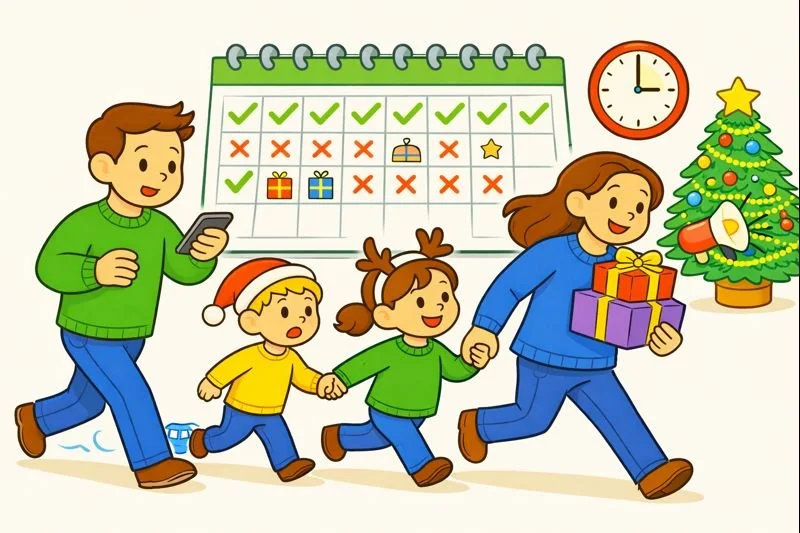
Holidays often arrive wrapped in sweetness—treats, surprises, special events, and excitement from every direction. For young children, this can feel thrilling at first… until their senses become overwhelmed. Sugar highs, irregular routines, and emotional overload can combine into a perfect storm of big feelings, sudden meltdowns, and unpredictable energy levels.
Managing sugar and excitement during holidays isn’t about avoiding joy or restricting treats. It’s about protecting children’s emotional balance so they can actually enjoy the season without becoming dysregulated. With a few thoughtful strategies, families can create a festive atmosphere that feels fun, grounded, and connected rather than chaotic.


Why Sugar Affects Young Kids Differently
Young children have developing nervous systems, immature impulse control, and sensitive sensory thresholds. When sugary treats enter the mix—often paired with crowds, noise, and new environments—their bodies can respond quickly and intensely.
Sugar can temporarily boost energy and mood, but it may also:
Disrupt emotional regulation
Cause irritability or quick mood shifts
Decrease frustration tolerance
Impact sleep
Increase impulsive behavior
This doesn’t mean sugar must be eliminated. It simply means families benefit from having gentle boundaries and predictable rhythms around sweets—similar to how families set supportive boundaries in Helping Kids Handle Gift Disappointment Gracefully.
Keeping Routines as Consistent as Possible
Children feel safest when they know what to expect, especially during high-energy seasons. Maintaining predictable routines helps regulate their internal rhythms even when everything else feels special or unusual.
Try to keep anchors in place:
Consistent mealtimes
Snack patterns
Bedtime rituals
Quiet play breaks
Outdoor movement
When routines feel steady, children are more resilient in the face of excitement. These grounding strategies echo ideas found in How to Avoid Holiday Burnout as a Family, where consistency protects emotional well-being.
Offering Nourishing Foods Before Sweet Treats
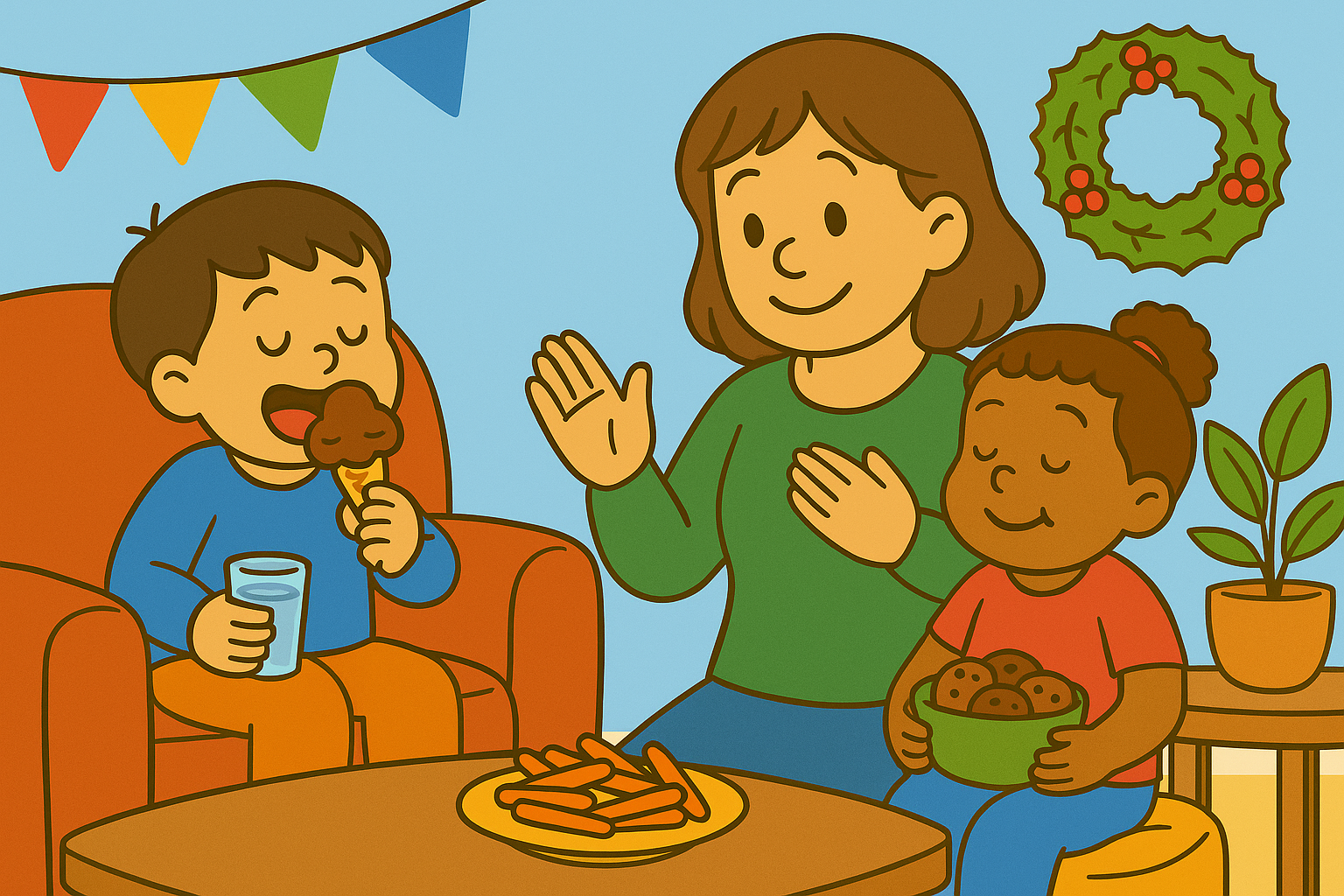
Kids do best when sugary foods aren’t eaten on empty stomachs. Before holiday events or parties, offer:
Protein-rich snacks
Fiber-rich fruits
Whole grains
Hydrating foods
A stabilized blood sugar baseline reduces the intensity of sugar spikes. Families can turn this into a simple ritual: “We fill our bellies with strong foods before fun foods.”
This approach strengthens body awareness and teaches kids to listen to internal cues.
Setting Clear, Calm Expectations Ahead of Time
Children handle excitement better when they know boundaries before treats are offered. Discuss together:
How many treats they can choose
When treats will be eaten
How long events will last
What happens if their body needs a break
Make the expectations visual or playful:
Draw a “treat ticket”
Use hand signals
Let kids choose their designated treat time
Clarity removes guesswork, which reduces power struggles and emotional spirals.
Creating Calm Breaks During High-Energy Days
Excitement creates sensory overload. Children need escape valves throughout the day. Build in:
A cozy corner with pillows
A short walk outside
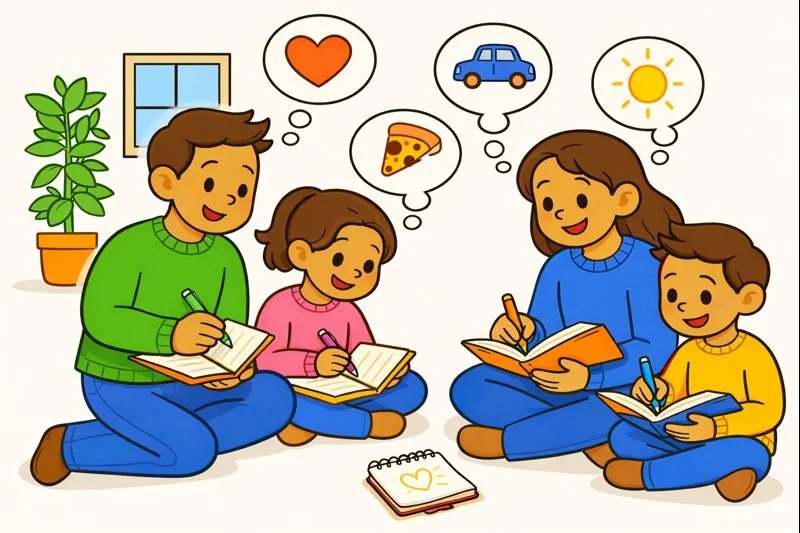
A quiet drawing moment
A snuggle or breathing break
A puppet “calm check-in”
Using puppets to guide calm moments—similar to practices in Puppet Shows That Celebrate Acts of Kindness—can help kids externalize their feelings and return to regulation more easily.
Teaching Kids to Notice Their Body Signals
Kids may not recognize when sugar or excitement is affecting them. Help guide awareness with simple prompts:
“Is your body feeling fast or slow?”
“Do you need a sip of water?”
“Does your tummy feel full or empty?”
“Do we need a quiet moment?”
Repeated gentle questions build interoception—the skill of understanding internal cues.
Planning Treat Moments Instead of Grazing
Treat “grazing” throughout the day leads to repeated sugar spikes. Instead, designate treat times:
After lunch
During storytime
After outdoor play
At the end of an event
Kids often accept boundaries more easily when they occur at predictable times.
Families can also pair treats with grounding activities, such as:
Sitting at the table
Enjoying them together slowly
Talking about textures and flavors
This makes treats feel intentional and mindful.
Channeling Excitement Into Playful Movement
Holiday energy doesn’t have to be battled—it can be redirected. Before or after sugary treats, offer movement-based transitions:
Dancing
Jumping games
Obstacle courses
Pretend snowball toss
Marching parades
Movement helps regulate sugar spikes and gives kids an outlet for emotional overflow.
This is similar to the seasonal movement strategies found in Using Puppets to Teach Seasonal Change, where physical play helps kids process internal shifts.
Supporting Emotional Recovery After Overload
Even with planning, children will sometimes hit the wall. When meltdowns happen:
Stay physically close
Use soft voice tones
Offer water or a small snack
Create a quiet sensory break
Avoid lectures or corrections
Let children recover before discussing anything
Children are not “misbehaving.” Their nervous systems are asking for help.
Building Holiday Traditions That Feel Balanced
Holiday traditions do not need to center around sugar. Families can create rituals that celebrate the season while keeping emotional balance in mind:
Candlelit story evenings
Creative gift-wrapping sessions
Family kindness challenges
Seasonal puppet shows
Cozy crafting afternoons
Special breakfast rituals
Meaningful traditions—like those explored in The Role of Holidays in Building Family Identity—help children understand that holidays are about connection, not consumption.
When joy is balanced with grounding, holidays become memories rooted in warmth rather than chaos.
This content is for educational purposes and is not a substitute for professional medical or psychological advice.