The Benefits of Seasonal Family Check-Ins
The Benefits of Seasonal Family Check-Ins
Why Seasonal Check-Ins Strengthen Family Connection
Life moves quickly—especially for families with young children. It’s easy to slip into routines where everyone is busy, tired, or simply getting through the day. Seasonal check-ins give families a gentle pause, inviting everyone to breathe, reflect, and reconnect. They create a rhythm of intentional communication, offering children a meaningful way to understand change and feel heard throughout the year.
Because seasons naturally mark transitions, they offer built-in opportunities to pause and reflect. Whether it’s the bright energy of spring or the cozy quiet of winter, each season brings new emotions, challenges, and joys. Seasonal family check-ins help kids process these shifts while strengthening emotional security and family identity.


What a Seasonal Family Check-In Looks Like
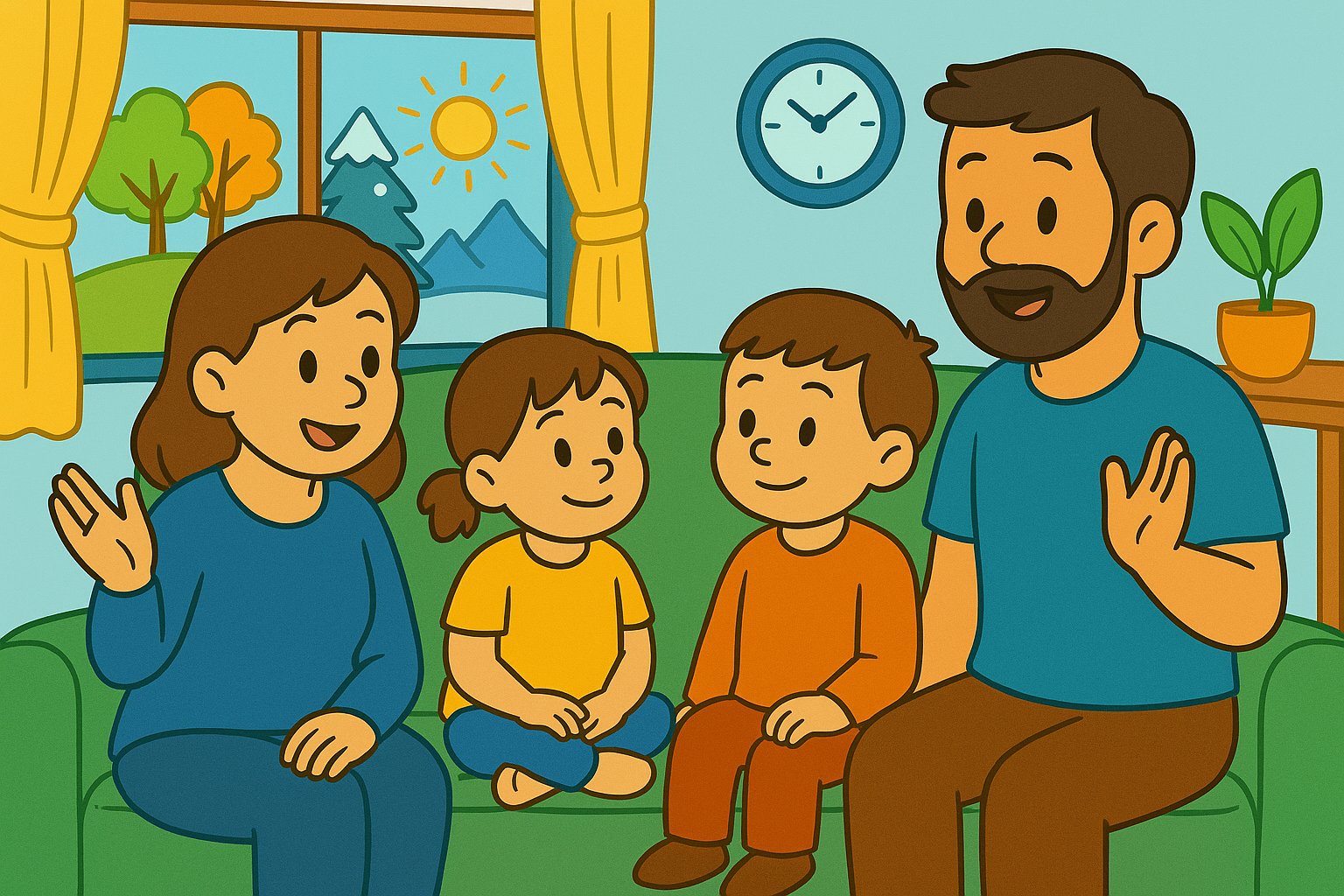
A seasonal check-in doesn’t need to be a formal meeting. It can be a cozy moment on the couch, a short walk, a breakfast chat, or a playful puppet conversation. What matters is presence—creating a space where everyone can share thoughts and feelings.
A simple check-in might include:
“What felt good this season?”
“What was hard for you?”
“What are you excited about next?”
“How can we support each other better as a family?”
Children, even very young ones, respond beautifully to predictable opportunities to share.
Helping Kids Understand Seasonal Change Through Reflection
Seasons change externally, but kids experience internal changes too—new routines, new skills, emotional shifts, developmental leaps. Seasonal check-ins help children understand these transitions by giving them language and support.
For example:
Spring might highlight bravery and growth
Summer might focus on exploration and energy
Fall might bring themes of letting go and adjusting
Winter might emphasize rest and comfort
These themes connect naturally to ideas explored in Helping Kids Understand Seasons Through Play, where seasonal rhythms shape emotional development.
Building Emotional Awareness Through Conversation
Children often express their feelings through behavior rather than words. Seasonal check-ins provide a structured moment for them to reflect, name emotions, and feel validated.
Try prompts like:
“What made you feel proud this season?”
“Was anything confusing or frustrating?”
“Did something surprise you?”
“What made you feel really loved?”
When adults model emotional honesty, children learn that sharing feelings is safe and supported.
Using Puppets or Play to Support Younger Children
Young kids may find talking directly about feelings overwhelming. Puppets can help bridge the gap. A puppet might say:
“I felt nervous about the colder days.”
“I didn’t like how busy everything felt.”
“I loved spending more time outside.”
Children often respond more openly to a puppet expressing emotions first. This connects naturally to strategies found in Using Puppets to Teach Seasonal Change, where characters help kids explore big feelings in gentle ways.
Strengthening Family Values and Identity
Seasonal check-ins give families a chance to revisit what matters most. They create space to talk about:
Kindness
Cooperation
Gratitude
Patience
Family rituals
Goals or hopes
These reflective moments help children understand how shared values guide decisions and routines. This aligns beautifully with themes in The Role of Holidays in Building Family Identity, where traditions reinforce belonging and identity.
Creating Predictable Rhythms Kids Can Rely On
Children thrive when they know what to expect. Seasonal check-ins build structure and predictability, giving kids a sense of security. Many families choose to pair check-ins with seasonal activities:
Spring nature walk
Summer picnic
Fall cozy reading night
Winter candlelit reflection
Pairing physical experiences with conversation helps ground emotional learning in sensory memories.
Addressing Stress, Overwhelm, and Burnout
Seasonal shifts often bring new routines—school starting, holidays approaching, daylight changes. These transitions can feel heavy. Seasonal check-ins give families a moment to acknowledge stress before it builds.
For example:
“Is anything feeling too big for us right now?”
“What can we do to make this season feel calmer?”
“Should we simplify anything?”
This approach mirrors the supportive strategies seen in How to Avoid Holiday Burnout as a Family, helping families make adjustments before feeling overwhelmed.
Celebrating Growth and Accomplishments
Children grow rapidly—physically, emotionally, socially. Seasonal check-ins allow families to pause and celebrate progress:
New skills
Creative successes
Acts of kindness
Brave efforts
Problem-solving moments
These reflections boost confidence and reinforce the idea that every season brings meaningful steps forward.
Planning the Next Season Intentionally
Seasonal check-ins invite families to look ahead thoughtfully. Together, you might discuss:
Activities you want to try
Habits you want to shift
Routines that need adjusting
Fun events you want to plan
Ways to support one another
This encourages children to see themselves as active participants in shaping family life, building autonomy and emotional investment.
Creating a Family Culture of Reflection
When families practice seasonal check-ins consistently, a beautiful culture of reflection emerges. Children learn:
That their voices matter
That change is natural
That challenges can be discussed
That families grow together, not apart
That each season brings fresh possibilities
Seasonal check-ins become a gentle rhythm of understanding, connection, and support. Over time, they build a deeper sense of unity and emotional resilience—something children carry with them long after the seasons change.
This content is for educational purposes and is not a substitute for professional medical or psychological advice.