Helping Kids Deal With Losing Tech Privileges
Helping Kids Deal With Losing Tech Privileges

Why Losing Screens Feels So Big to Kids
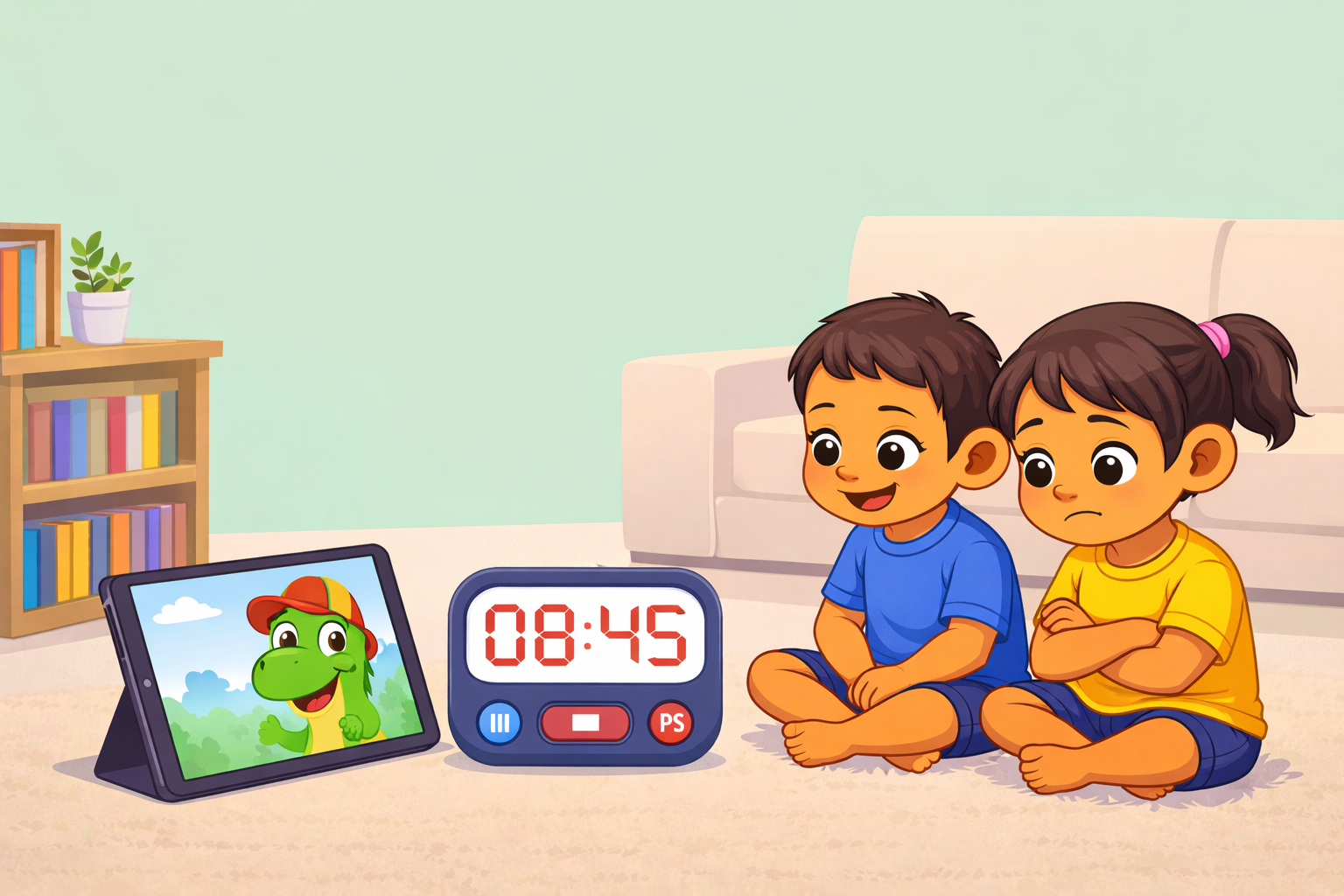
When a child loses access to a device, the reaction can seem outsized compared to the situation. Tears, anger, bargaining, or shutdown often follow. From an adult perspective, it may look dramatic. From a child’s perspective, it feels like something meaningful disappeared suddenly.
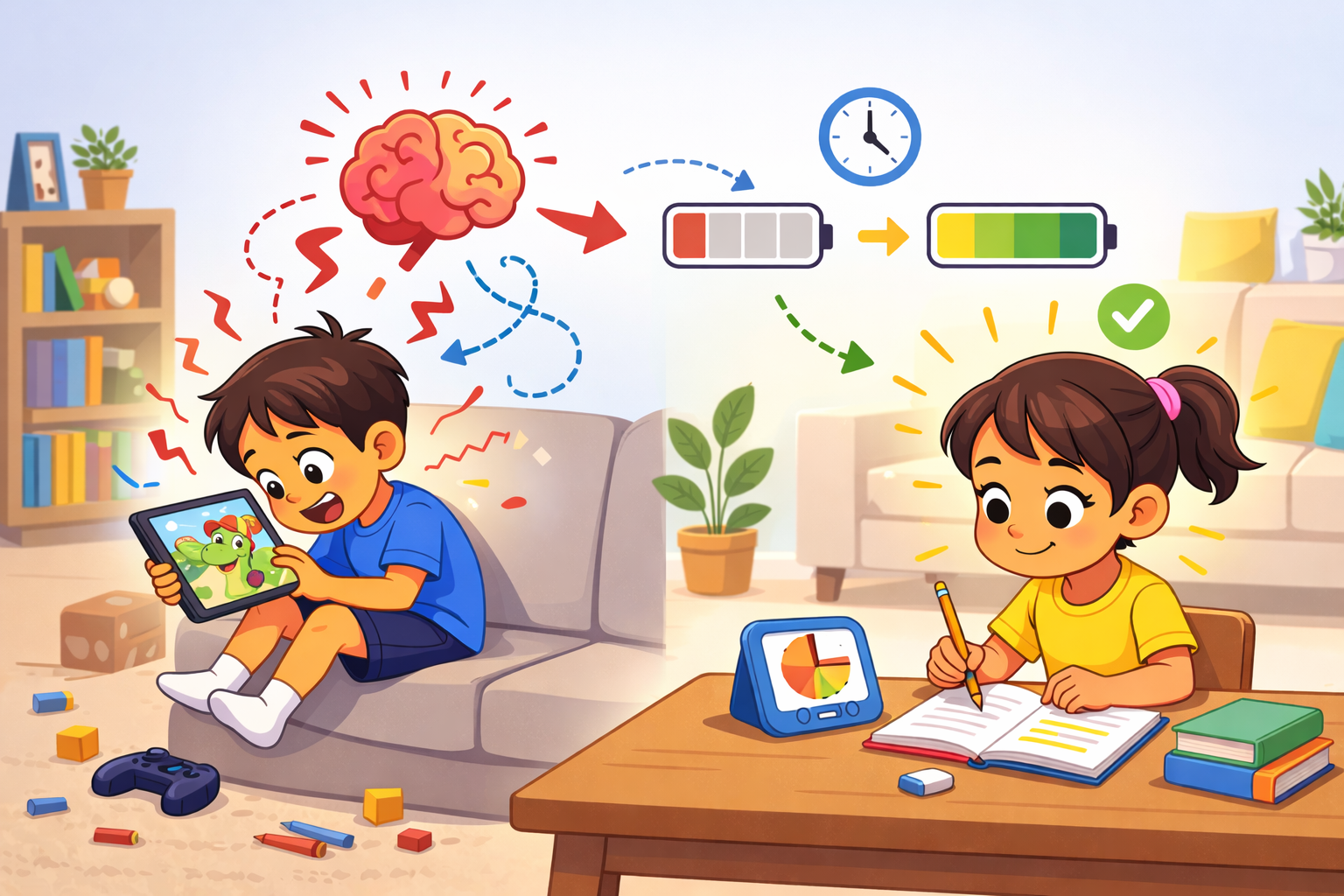
Screens are not just entertainment — they hold routine, familiarity, social connection, and predictability. When that disappears without emotional preparation, the brain reacts as if stability itself changed. The strong reaction isn’t simply about wanting a game or show. It’s about losing access to something that felt certain.
Helping kids cope with losing tech privileges isn’t about preventing emotion. It’s about helping them move through it safely and learn that limits don’t threaten security or connection.


Preparing Kids Before Privileges Are Ever Removed
Consequences feel very different when they’re expected versus surprising.
Parents can prepare by:
Explaining possible outcomes ahead of time
Connecting actions to results calmly
Avoiding emotional warnings
Preparation allows the brain to anticipate rather than panic.
Keeping Consequences Predictable
Unpredictable consequences create fear and negotiation. Predictable ones create learning.
Predictable limits usually:
Happen every time the behavior occurs
Last a clear duration
Stay proportional
Consistency builds understanding faster than intensity.
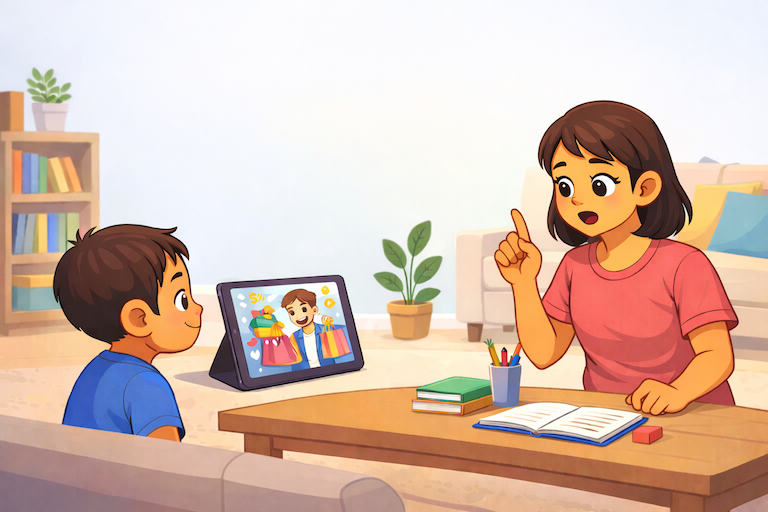
Explaining the Reason Without Over-Lecturing
Children learn best from short explanations they can repeat back, not long emotional talks.
Helpful explanations:
Focus on behavior, not character
State what will happen next
Stay calm and brief
This clarity connects with Managing Kids’ Expectations About Screen Time, where predictability reduces emotional spikes.
Supporting the Emotional Reaction First
The moment privileges are removed is emotional, not instructional. Kids can’t learn while overwhelmed.
Parents can support regulation by:
Staying nearby
Acknowledging disappointment
Keeping tone steady
Connection lowers intensity more effectively than reasoning.
Avoiding Escalation During Pushback
Children often test whether the limit is firm. This testing is part of coping.
Adults can prevent escalation by:
Repeating the same response
Not adding new consequences mid-moment
Avoiding debates
This approach reflects How to Limit Screen Time Without Power Struggles, where calm consistency prevents conflict from growing.
Letting Kids Recover Without Immediate Replacement
Replacing the screen instantly can stop the reaction — but also stops the learning. Kids need a chance to feel the disappointment and then recover.
Recovery teaches resilience. Over time, reactions shorten because children trust they can handle the feeling and that the relationship remains steady.
Offering Constructive Next Steps
After emotions settle, guidance becomes possible.
Helpful next steps include:
Discussing what led to the consequence
Planning what to try next time
Naming when privileges return
This mirrors Teaching Kids to Ask for Permission Before Downloading, where mistakes become practice opportunities.
Keeping the Relationship Warm
Loss of privileges should not feel like loss of connection.
Parents can maintain warmth by:
Spending time together afterward
Engaging in shared activities
Separating the child from the behavior
Security helps consequences teach rather than shame.
Returning Privileges Calmly
How privileges return matters as much as how they’re removed.
Helpful return practices:
Restoring access at the planned time
Avoiding reminders or lectures
Acknowledging effort
This supports The Role of Tech in Emotional Co-Regulation, where stability builds trust.
Teaching That Limits Are Part of Safety
The goal isn’t for children to enjoy losing privileges — it’s for them to understand limits are predictable and safe.
Families who handle consequences calmly often notice:
Shorter reactions over time
Less arguing
Greater honesty
This content is for educational purposes and is not a substitute for professional medical or psychological advice.