The Role of Tech in Emotional Co-Regulation
The Role of Tech in Emotional Co-Regulation
Why Regulation Often Happens Together
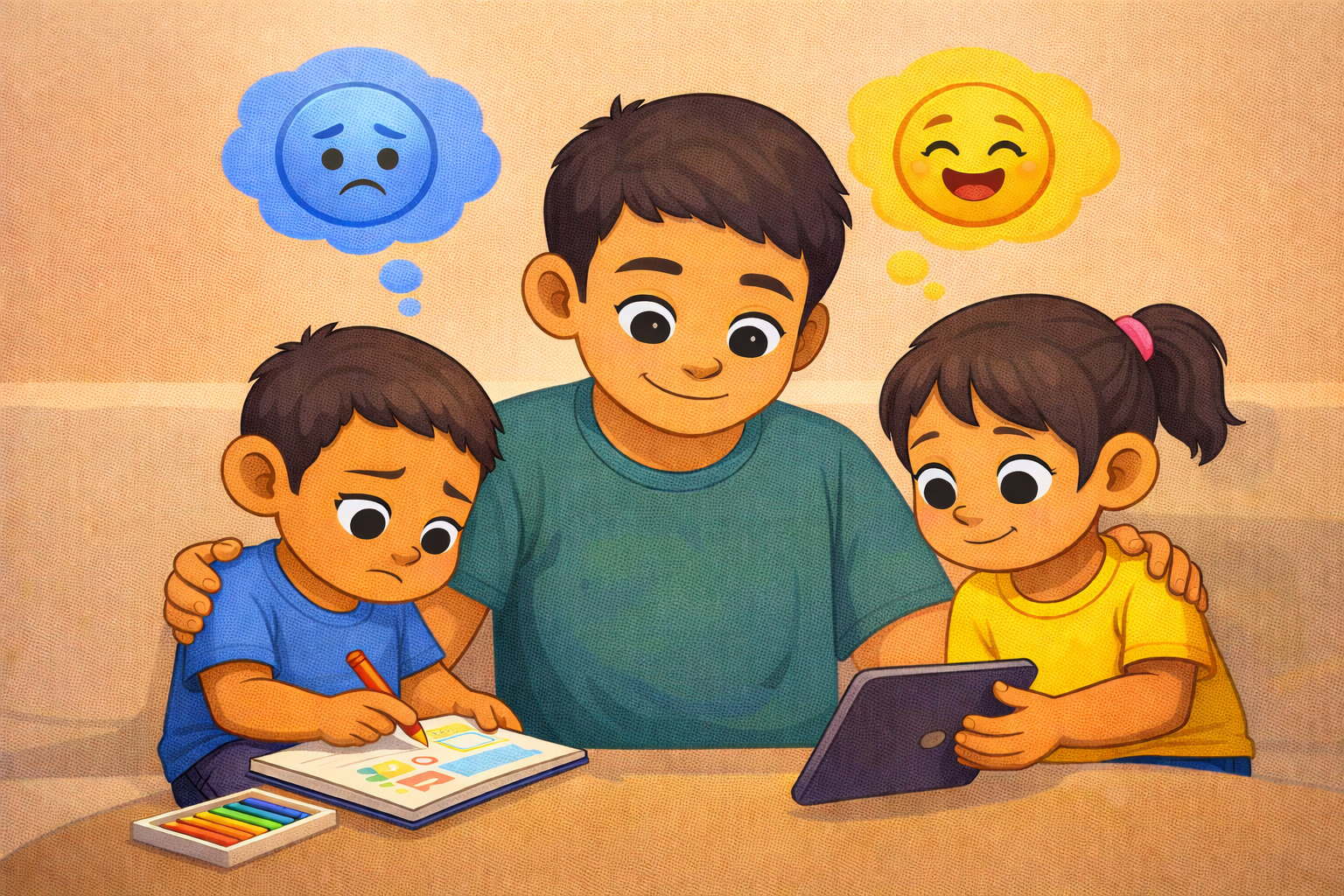
Young children don’t calm themselves alone — at least not at first. They borrow calm from caregivers. This shared settling process is called co-regulation, and it’s a normal part of development. A steady voice, a predictable routine, or simply sitting nearby helps a child’s nervous system organize itself.
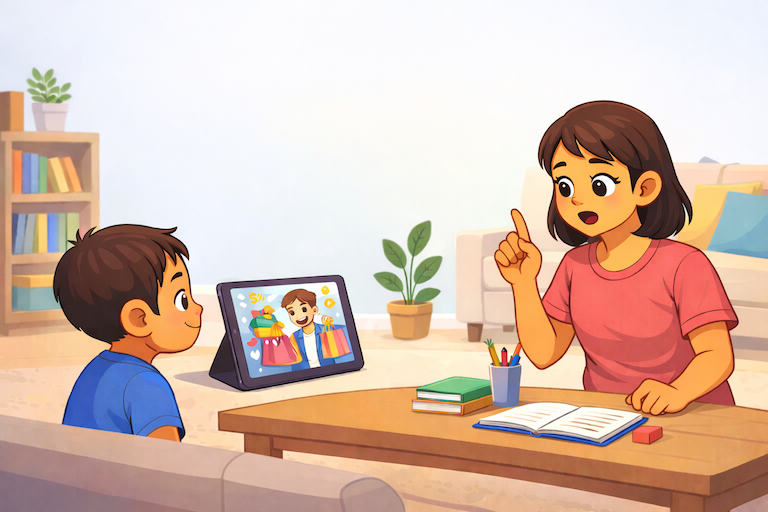
Technology can either interrupt or support this process. When used without intention, screens replace connection. When used thoughtfully, they can become shared tools that help parents and children settle together instead of apart.
The goal isn’t to remove technology from emotional moments — it’s to keep the relationship at the center of those moments.


What Co-Regulation Looks Like With Technology
Co-regulation through tech happens when adults remain emotionally present while using a digital tool.
Examples include:
Watching something calming together
Listening to audio side-by-side
Looking at photos while talking
The key element is shared attention, not the device itself.
Why Some Kids Seek Screens When Upset
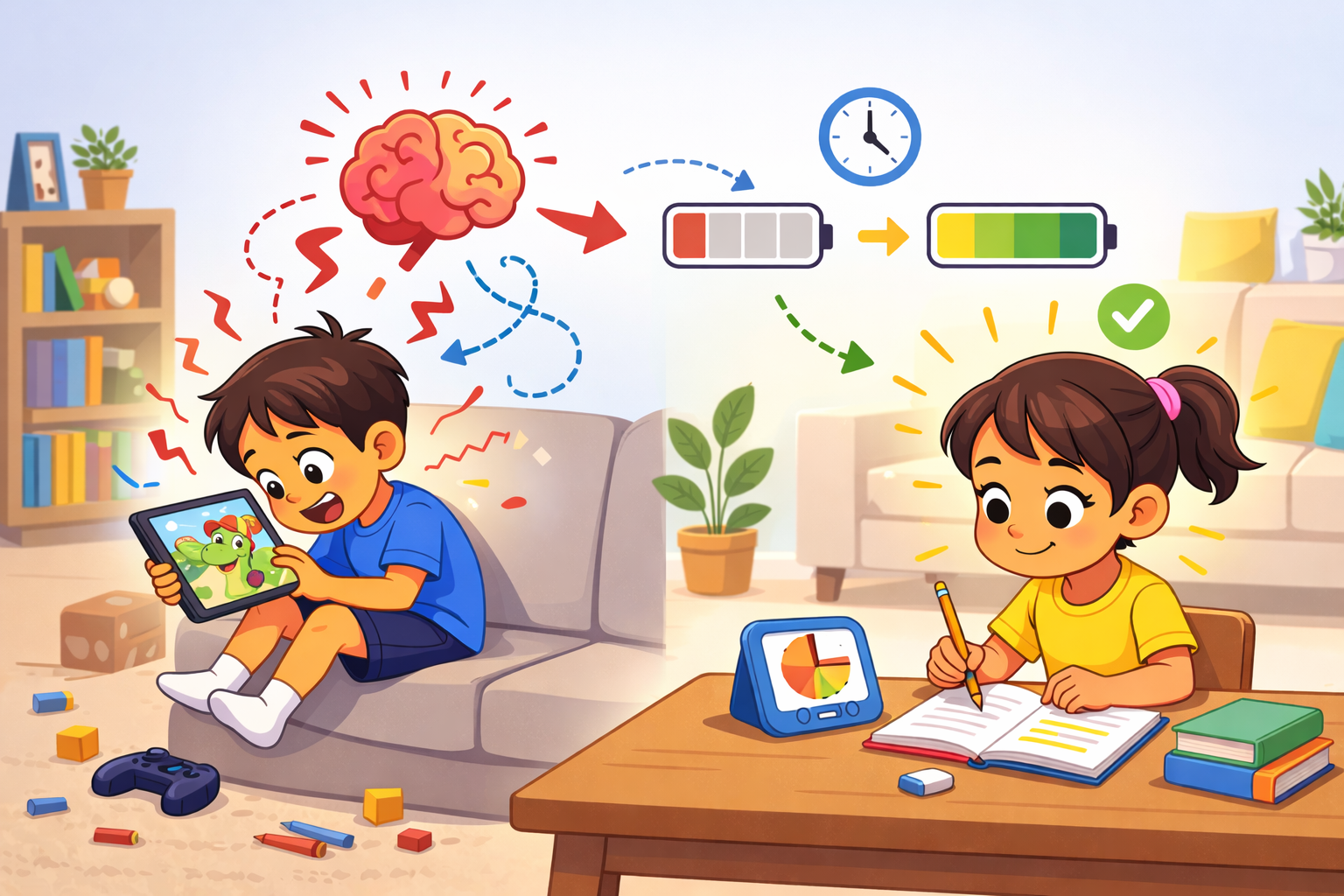
Children often reach for screens during big feelings because stimulation changes how their brain feels.
They may want screens because:
Distraction reduces intensity
Familiar content feels predictable
Sound and rhythm soothe
Understanding this helps parents respond with guidance instead of immediate removal.
Using Calm Media as a Shared Reset
Certain digital experiences can help bring a child’s arousal level down when used together.
Helpful co-regulation media tends to:
Move slowly
Avoid surprises
Repeat familiar patterns
These qualities support ideas in The Benefits of “Slow Media” for Young Minds, where pacing affects emotional state.
Staying Present During Screen Support
A device alone can soothe temporarily. A caregiver alongside it teaches regulation.
Parents can remain present by:
Sitting nearby
Commenting gently
Watching the child’s reactions
Presence keeps the focus relational instead of avoidant.
Helping Kids Return From Upset to Interaction
After calming begins, connection matters more than the content.
Parents can gradually shift by:
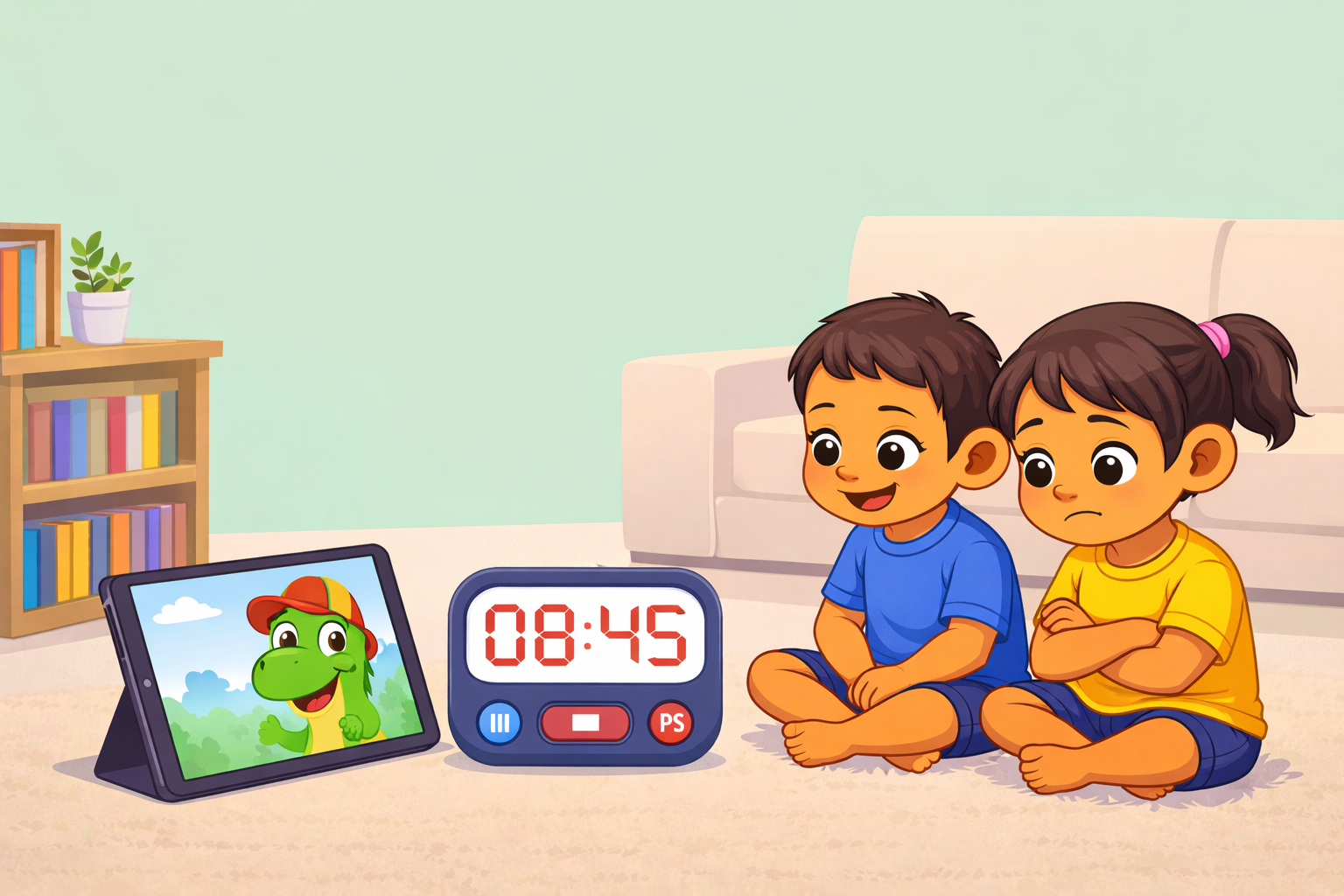
Pausing the media
Talking softly
Moving into another shared activity
This mirrors strategies in How to Limit Screen Time Without Power Struggles, where transitions stay relational.
Avoiding Screens as Emotional Escape
Co-regulation works when technology supports feelings — not replaces them. If screens consistently end emotions instantly, children don’t learn recovery skills.
Instead, screens should act as a bridge: helping a child move from overwhelm back toward connection. Over time, the child begins needing the adult less and the screen even less.
Using Creative Tools to Process Feelings
After calming, expression often follows naturally.
Digital tools can help kids:
Draw emotions
Record thoughts
Create stories about experiences
This supports emotional processing and connects with Using Digital Tools for Emotional Expression, where creativity deepens understanding.
Building Predictable Co-Regulation Routines
Repeated patterns make emotional recovery easier over time.
Families might:
Use the same calming audio each evening
Share a quiet viewing ritual
Revisit comforting memories together
Consistency helps children anticipate relief.
Modeling Regulation Through Your Own Behavior
Children learn how to regulate by observing adult reactions during stress.
Parents can model regulation by:
Slowing their voice
Naming their feelings calmly
Choosing connection before correction
Helping Kids Internalize Calm Over Time
Co-regulation is temporary by design. Shared calming gradually becomes self-calming as the brain matures.
Families who use tech relationally often notice:
Shorter meltdowns
Faster recovery
Less reliance on distraction
This content is for educational purposes and is not a substitute for professional medical or psychological advice.