How to Handle Kids’ FOMO Around Devices
How to Handle Kids’ FOMO Around Devices
Why FOMO Feels So Real to Kids
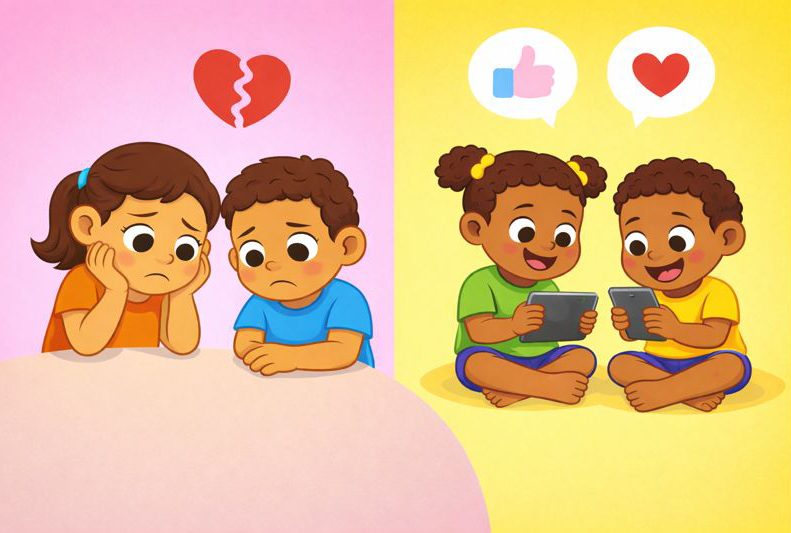
Fear of missing out isn’t a shallow emotion for kids — it’s deeply tied to belonging, connection, and identity. When children worry that something fun, important, or socially meaningful is happening without them, their nervous systems respond as if a real loss is occurring.
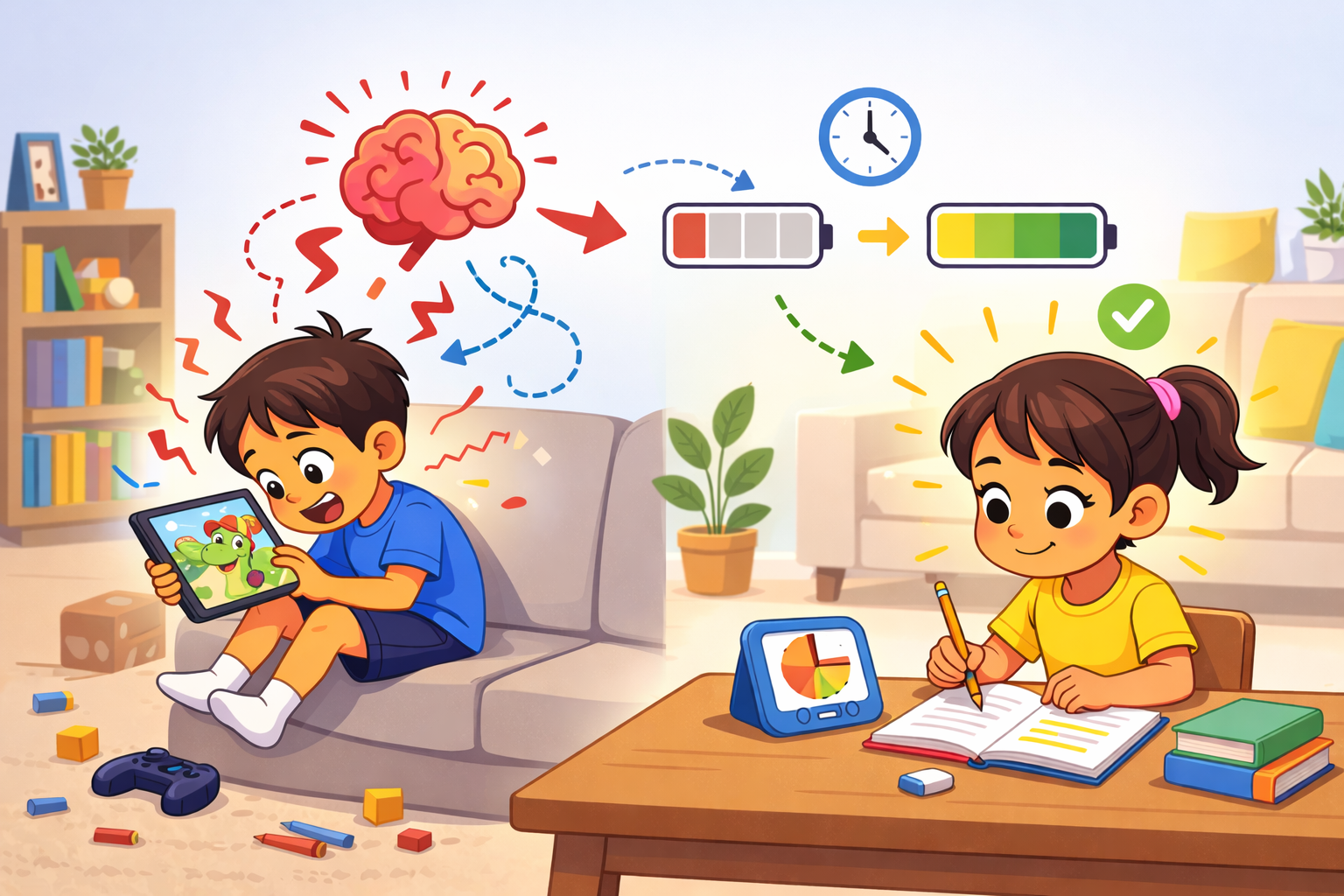
Technology amplifies this feeling. Devices make activities, games, messages, and updates feel constant and urgent. Kids don’t just imagine missing out — they see evidence of it. That can make limits around screens feel personal rather than practical.
Handling kids’ FOMO around devices doesn’t mean dismissing their feelings or giving unlimited access. It means helping them build emotional resilience, perspective, and trust that they are not being left behind — even when they’re offline.


What Digital FOMO Actually Looks Like in Daily Life
FOMO doesn’t always show up as obvious jealousy or distress. More often, it appears in subtle, persistent ways.
Parents might notice:
Anxiety when devices are turned off
Repeated questions about what others are doing
Resistance to missing online activities
Difficulty enjoying offline moments
These behaviors are signals of emotional discomfort, not manipulation or entitlement.
Why Kids Are Especially Vulnerable to FOMO
Children are still developing a stable sense of self and social security. Digital spaces intensify comparison and urgency at a stage when kids are least equipped to manage it.
Kids experience stronger FOMO because:
Peer approval matters deeply
Time feels immediate and permanent
They struggle to hold long-term perspective
Online interactions feel socially “alive”
Understanding this vulnerability helps parents respond with empathy instead of frustration.
How Device Design Intensifies FOMO
Many digital platforms are intentionally designed to keep users engaged by highlighting activity, updates, and scarcity.
Features that fuel FOMO include:
Notifications that signal constant activity
Time-limited events or rewards
Visible indicators of who’s online
Endless updates without natural stopping points
These patterns are explored further in The Psychology of Screen Overstimulation, where emotional intensity — not just time — drives dysregulation.
Separating Real Connection From Perceived Urgency
One of the most important skills kids can learn is the difference between being left out and feeling left out. Digital environments blur that line.
Parents can help by:
Naming the feeling without validating the fear
Explaining that activity continues even when unseen
Reassuring kids that connection doesn’t disappear
This helps kids understand that absence from a device doesn’t equal exclusion from relationships.
Helping Kids Build Offline Anchors
Kids with strong offline anchors experience less FOMO because their sense of belonging isn’t tied to constant digital presence.
Offline anchors might include:
Regular family rituals
Trusted friendships outside devices
Activities that build identity (sports, art, hobbies)
Predictable routines
This balance aligns closely with Encouraging Balance Between Tech and Real-World Play, where connection outside screens reduces emotional dependence on them.
Talking About FOMO Without Minimizing Feelings
Telling kids “you’re not missing anything” rarely works — because emotionally, it feels untrue to them. What helps is acknowledging the feeling without reinforcing the fear.
Helpful language includes:
“It makes sense that this feels hard.”
“Wanting to be included is normal.”
“Let’s talk about what you’re worried about missing.”
When kids feel understood, their nervous systems settle — making problem-solving possible.
Using Predictability to Reduce FOMO Anxiety
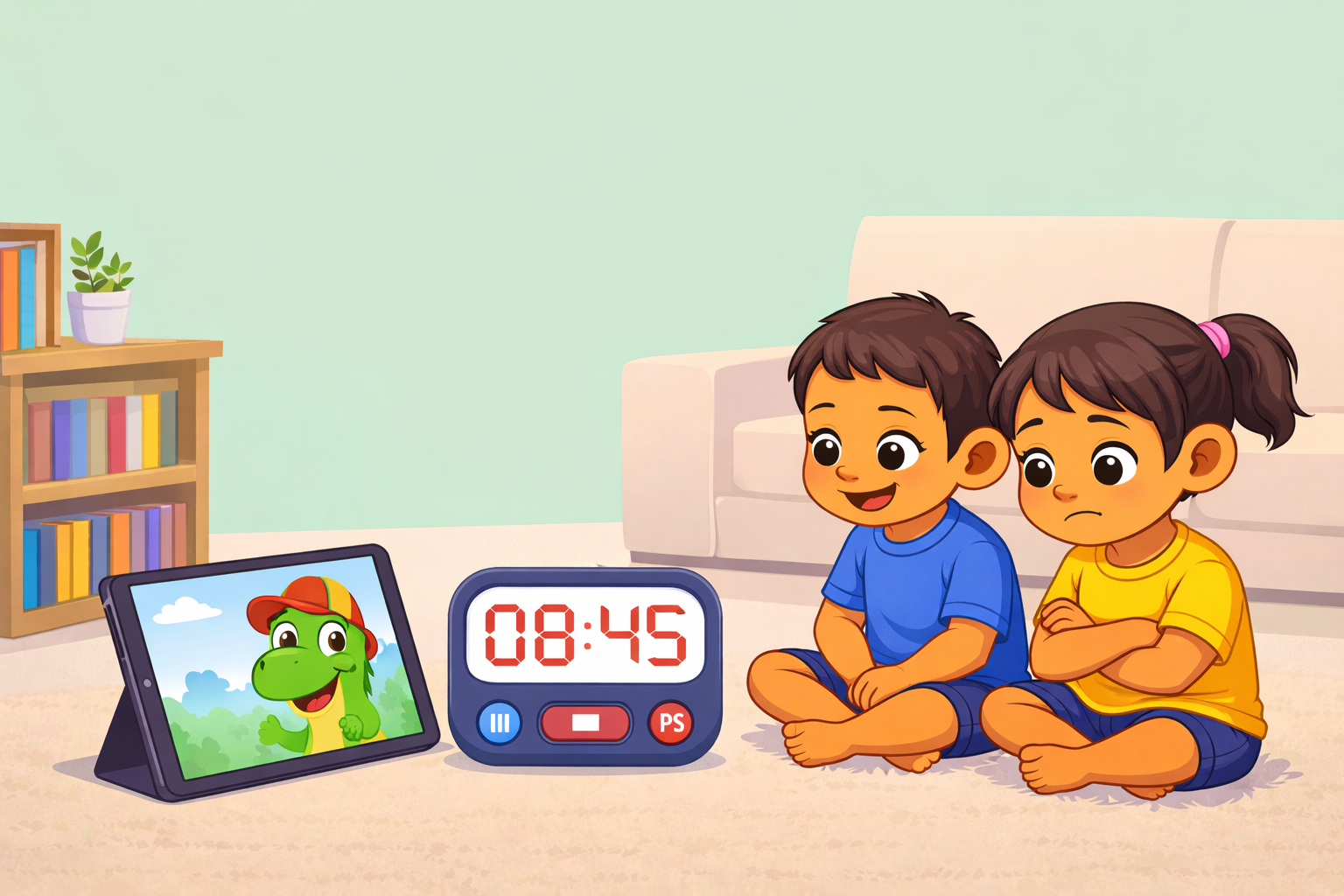
FOMO thrives in uncertainty. When kids don’t know when they’ll next have access to devices, anxiety increases.
Predictability helps by:
Creating clear screen schedules
Setting expectations for access
Reducing constant negotiation
These structures echo principles in Tech Boundaries That Stick: Setting Limits Without Meltdowns, where clarity lowers emotional resistance.
Teaching Kids to Pause and Reality-Check
As kids grow, they can learn to gently question their FOMO thoughts instead of reacting to them.
Parents can support this by helping kids:
Ask “Is this actually urgent?”
Notice how they feel after checking
Reflect on what truly matters to them
These skills pair naturally with Teaching Kids to Pause Before They Click, where awareness interrupts impulsive behavior.
Modeling Healthy Responses to FOMO as Adults
Kids learn how to respond to FOMO by watching adults manage their own digital urges. When parents model calm detachment, kids absorb that confidence.
Modeling might include:
Not checking phones constantly
Naming when you choose to miss something
Showing comfort with being offline
This everyday modeling reinforces values without lectures or rules.
Helping Kids Trust That They Belong — With or Without a Screen
The most effective way to reduce FOMO isn’t to eliminate devices or convince kids they don’t matter. It’s to help them trust their place in relationships — even when they’re offline.
When kids feel secure, they:
Tolerate missing moments more easily
Enjoy present experiences more fully
Resist constant comparison
Build emotional resilience
They learn that being present where they are matters more than chasing what they might be missing.
This content is for educational purposes and is not a substitute for professional medical or psychological advice.