The Importance of Shared Media Experiences
The Importance of Shared Media Experiences
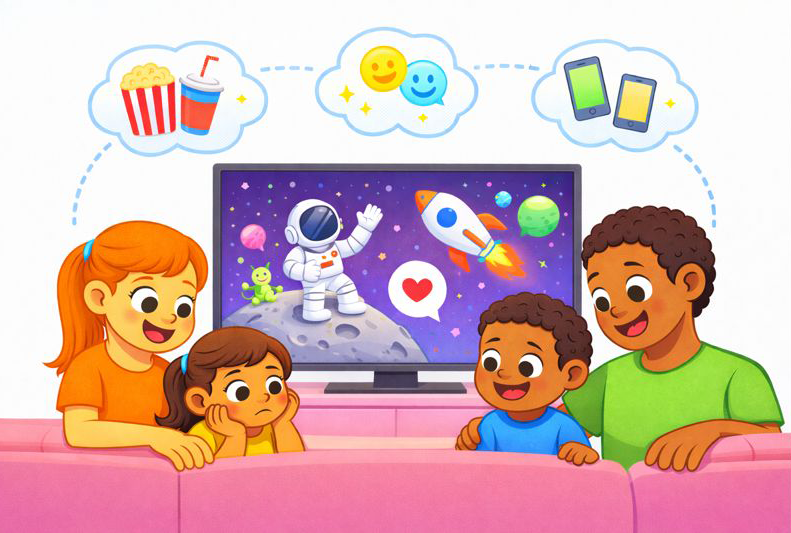
Why Watching Together Still Matters
In many homes, screens have become solitary experiences. Kids watch on tablets, parents scroll on phones, and everyone is technically together — but emotionally separate. Over time, this quiet separation can reduce opportunities for connection, conversation, and shared meaning.
Shared media experiences bring screens back into relationship. When families watch, listen, or play together, media becomes a bridge instead of a divider. These moments don’t require deep discussion or perfect attention — just presence. Even small shared experiences help children feel seen, supported, and emotionally anchored.
Shared media isn’t about monitoring or controlling content. It’s about turning screen time into together time.


What Counts as a Shared Media Experience
Shared media doesn’t have to mean sitting silently through an entire movie. It simply means engaging with media alongside your child, with awareness that you’re experiencing it together.
Shared media experiences can include:
Watching a show or movie together
Listening to music or audiobooks as a family
Playing a digital game cooperatively
Exploring educational content side by side
The key is mutual presence — not perfection.
Why Shared Media Builds Emotional Connection
When families experience stories or content together, emotional moments become shared reference points. Kids feel safer processing feelings when a trusted adult is nearby.
Shared media helps children:
Feel emotionally supported
Regulate big reactions more easily
Connect feelings to language
Experience joy or humor together
These shared moments quietly strengthen trust and attachment.
How Shared Media Supports Communication Skills
Media naturally creates conversation opportunities without pressure. Kids are often more willing to talk about characters, stories, or situations than their own experiences.
Shared media can prompt:
Emotional labeling (“That character looks frustrated”)
Perspective-taking (“Why do you think they did that?”)
Story recall and sequencing
Curiosity-driven questions
This aligns closely with Teaching Emotional Awareness Through Media Characters, where stories become tools for emotional learning.
The Difference Between Co-Viewing and Policing
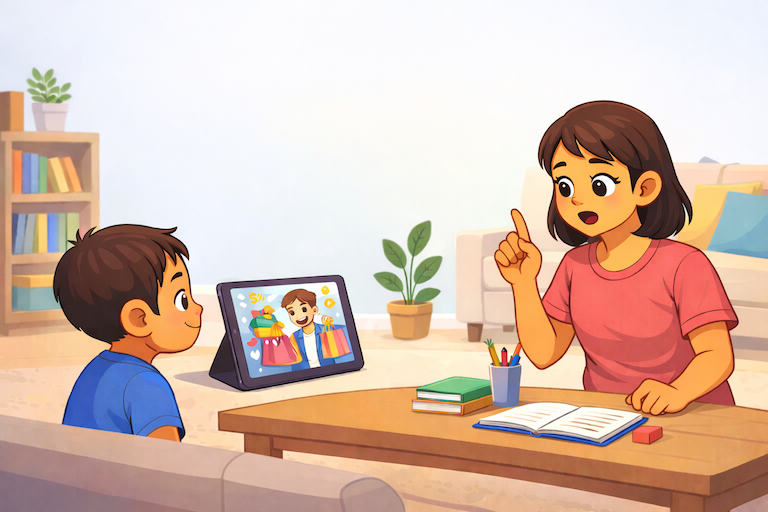
There’s a meaningful difference between watching with kids and watching over them. Policing focuses on control; co-viewing focuses on connection.
Healthy co-viewing involves:
Sitting nearby without hovering
Reacting naturally instead of correcting constantly
Letting kids enjoy content without interruption
This approach mirrors ideas in Why Co-Viewing Is Better Than Screen Policing, where trust and presence reduce conflict more effectively than enforcement.
Shared Media as a Buffer Against Overstimulation
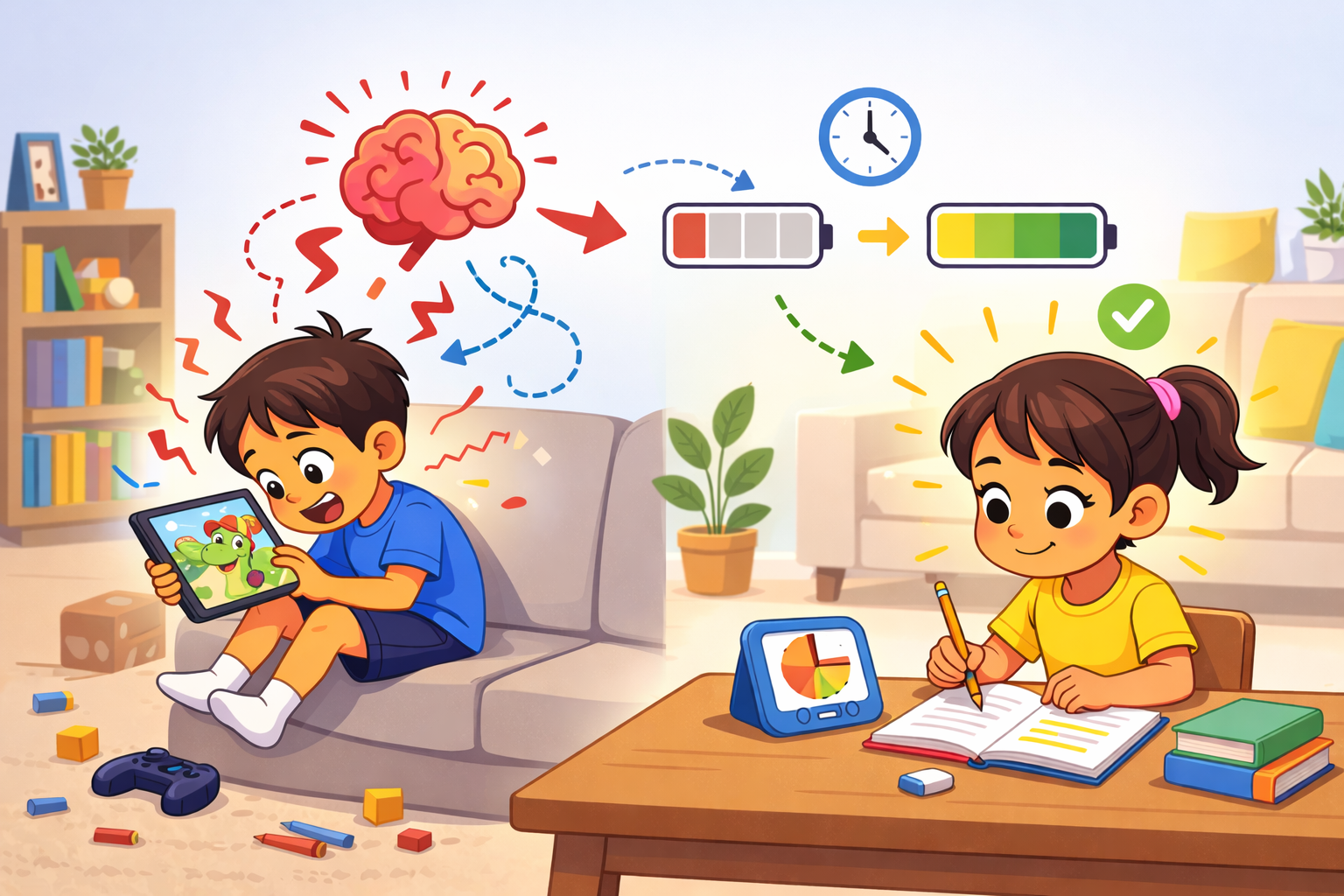
Screens can be intense, especially for younger children. Shared media experiences help regulate stimulation by slowing things down and grounding kids emotionally.
When adults are present, kids often:
Stay calmer during intense scenes
Transition away from screens more easily
Process emotions in real time
This buffering effect is especially helpful when kids are sensitive to fast-paced or emotional content.
Why Shared Media Doesn’t Mean “All the Time”
Shared media doesn’t require parents to be present for every screen moment. It’s about intentional balance, not constant involvement.
A few meaningful shared experiences each week can:
Build trust around screen use
Reduce secrecy or resistance
Make independent viewing feel safer
Quality matters more than quantity — and even brief shared moments count.
Making Shared Media Feel Natural, Not Forced
Shared media works best when it feels enjoyable, not instructional. Kids quickly disengage if screen time turns into a lesson.
To keep it natural:
Choose content everyone can enjoy
Let conversation happen organically
Avoid pausing constantly to explain
These relaxed moments often spark the most meaningful connection.
Using Shared Media to Reinforce Family Values
Stories and content often reflect values — kindness, fairness, courage, inclusion. Shared viewing allows families to notice and reinforce these values gently.
Parents can support this by:
Naming positive moments casually
Asking what kids liked or noticed
Connecting stories to everyday life
This reinforces values without lecturing or pressure.
Shared Media Across Different Ages
As kids grow, shared media changes — but it doesn’t disappear. What starts as watching cartoons together can become shared movies, music, or even discussions about online content.
Shared media may evolve into:
Family movie nights
Shared playlists
Co-playing games
Talking about shows kids watch independently
Turning Screens Into Spaces for Togetherness
Screens don’t have to isolate. When used intentionally, they can create moments of laughter, reflection, comfort, and understanding.
Families who prioritize shared media often notice:
More relaxed screen transitions
Fewer power struggles
Deeper emotional connection
Screens feeling less “sticky”
At Fuzzigram, we believe the healthiest screen habits are rooted in relationship. Shared media experiences remind kids that screens don’t replace connection — they can support it.
When families experience media together, technology becomes part of the relationship — not a competitor for it.
This content is for educational purposes and is not a substitute for professional medical or psychological advice.