How to Manage Digital Comparison in Young Children
How to Manage Digital Comparison in Young Children
Why Digital Comparison Starts Earlier Than We Expect
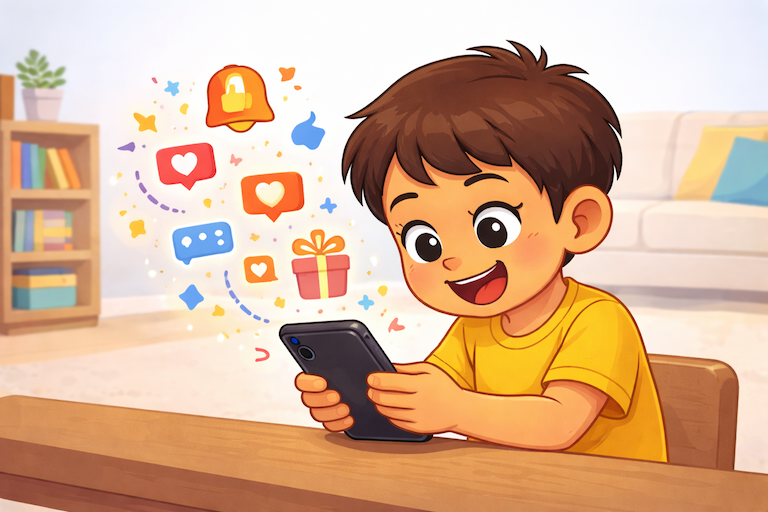
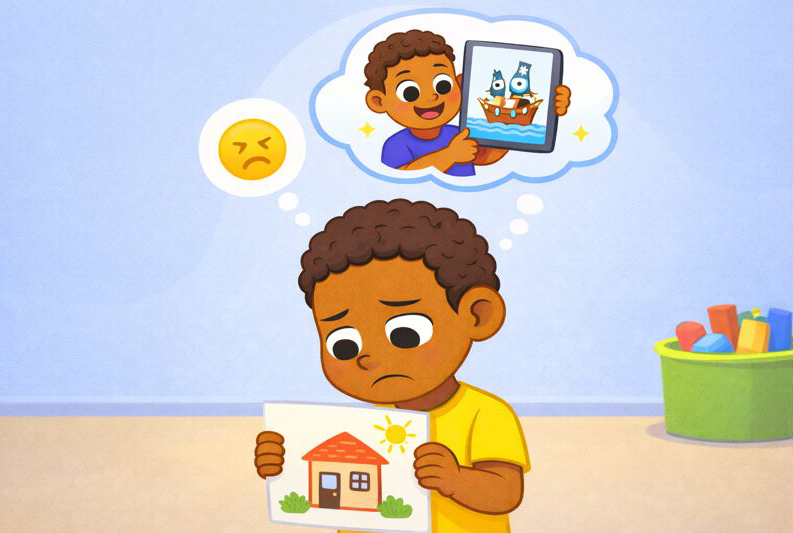
Digital comparison isn’t just a teen problem. Even very young children begin absorbing ideas about “more,” “better,” and “cooler” through the media they consume. Characters with bigger houses, flashier toys, or constant excitement can quietly shape how children evaluate their own lives.
Young children don’t yet have the cognitive tools to understand that what they see on screens is curated, exaggerated, or fictional. They experience it as real. That makes comparison feel personal — not abstract. A child may suddenly feel dissatisfied with their toys, their routines, or even themselves, without being able to explain why.
Managing digital comparison isn’t about shielding kids from everything. It’s about helping them develop perspective, emotional security, and a grounded sense of self early on — before comparison becomes a default lens.


What Digital Comparison Looks Like in Young Kids
In early childhood, comparison doesn’t sound like “I wish I looked like that.” It shows up in subtler, behavior-based ways.
Parents may notice:
Increased dissatisfaction with toys or activities
Statements like “Why don’t we have that?”
Fixation on what characters or other kids own
Reduced enjoyment of familiar routines
These moments are often the first signs that external benchmarks are starting to influence a child’s sense of value.
Why Young Children Are Especially Vulnerable
Young children are in a stage of identity formation. They learn who they are by observing the world and measuring themselves against it — without the ability to filter or contextualize what they see.
They’re more vulnerable because:
They interpret media literally
They lack social comparison awareness
They equate visibility with importance
They assume what’s shown is normal
This vulnerability doesn’t mean screens are harmful — it means guidance matters.
How Media Design Encourages Comparison
Many digital platforms and children’s programs emphasize novelty, excitement, and abundance. While engaging, these patterns can unintentionally encourage comparison.
Common comparison triggers include:
Characters with endless resources
Constant upgrades or rewards
Highlight reels of fun without effort
Lack of everyday realism
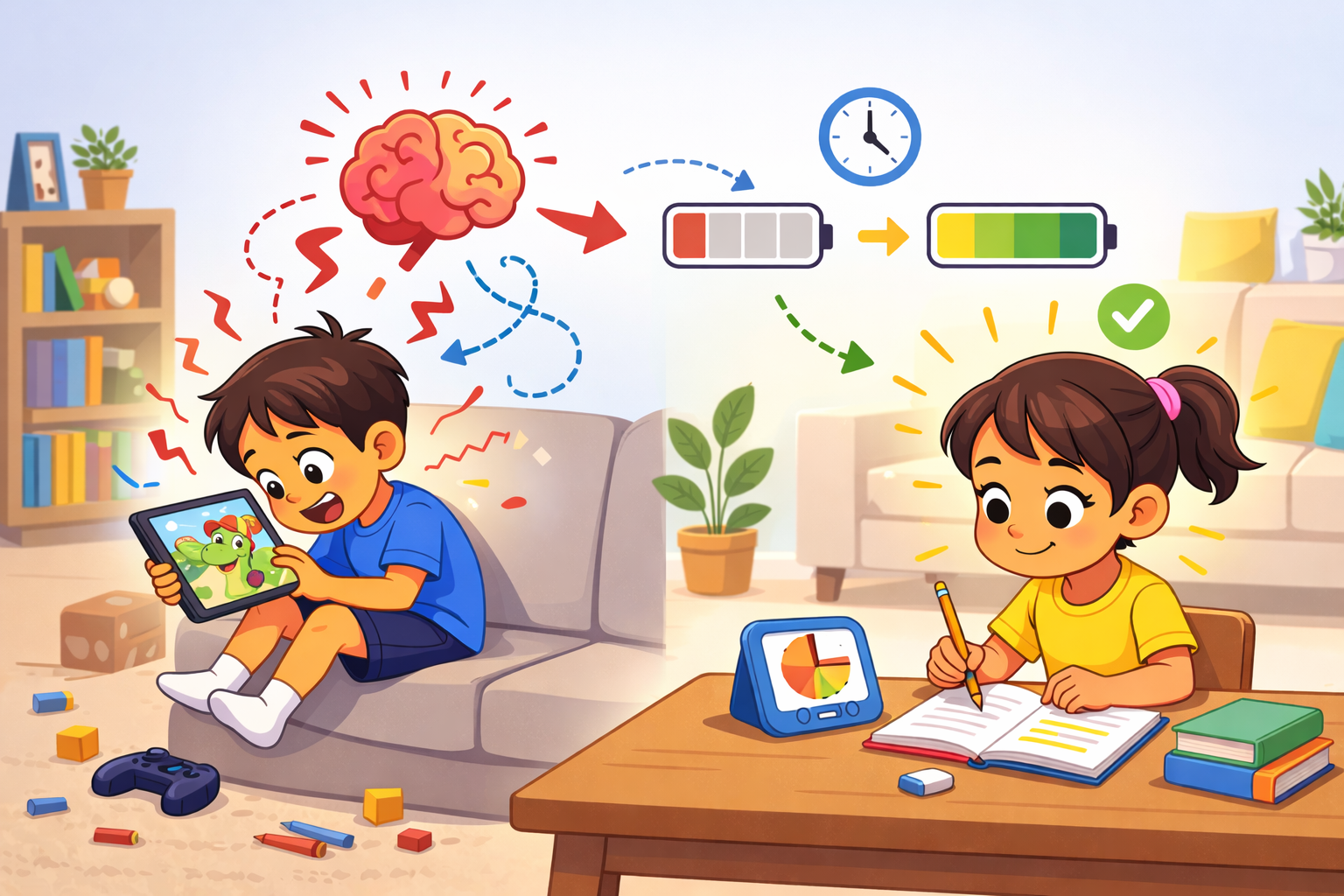
These effects are closely tied to ideas explored in The Psychology of Screen Overstimulation, where intensity and excess shape emotional expectations.
Helping Kids Separate Entertainment From Reality
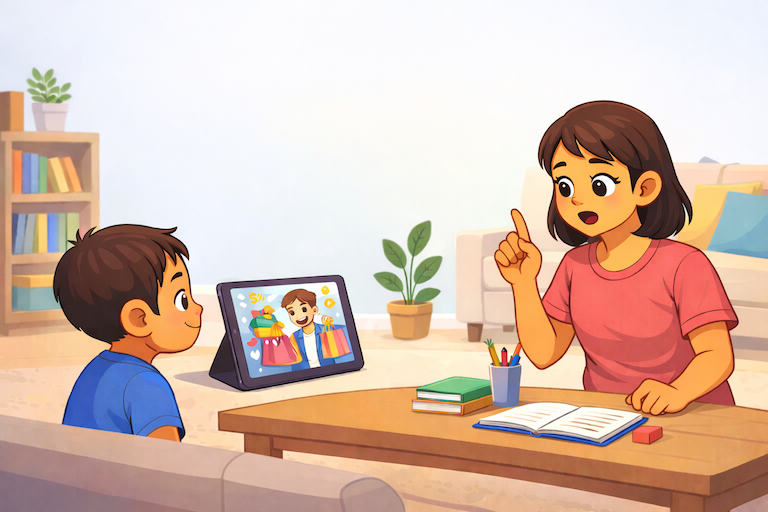
One of the most powerful tools against comparison is helping children understand the difference between stories and real life — without ruining the magic.
Parents can gently support this by:
Naming exaggeration in simple terms
Pointing out behind-the-scenes elements
Talking about pretend vs. everyday life
This approach builds media awareness similar to Teaching Kids About Advertising and Influencers, where understanding intent reduces emotional impact.
Strengthening Internal Anchors Before External Measures
Children who feel secure in who they are are less affected by what others have. Building internal anchors early reduces comparison pressure later.
Internal anchors grow through:
Consistent routines
Celebrating effort over outcome
Highlighting personal interests
Reinforcing belonging at home
These anchors help kids evaluate experiences based on fit, not status.
Talking About “More” Without Creating Shame
When kids express wanting what they see, it’s easy to respond with dismissal or correction. But comparison feelings aren’t something kids choose — they’re something kids experience.
Helpful conversations focus on curiosity rather than correction. Instead of saying “You don’t need that,” parents can explore what the child finds appealing and what it represents emotionally. Often, kids aren’t asking for the object — they’re asking for excitement, attention, or connection.
When children feel heard, comparison loses much of its emotional charge.
Using Co-Viewing to Soften Comparison Messages
Watching together gives parents a chance to gently contextualize what children see without turning viewing into a lecture.
Co-viewing can help by:
Naming emotions characters experience
Noticing teamwork or kindness over “stuff”
Highlighting effort instead of outcomes
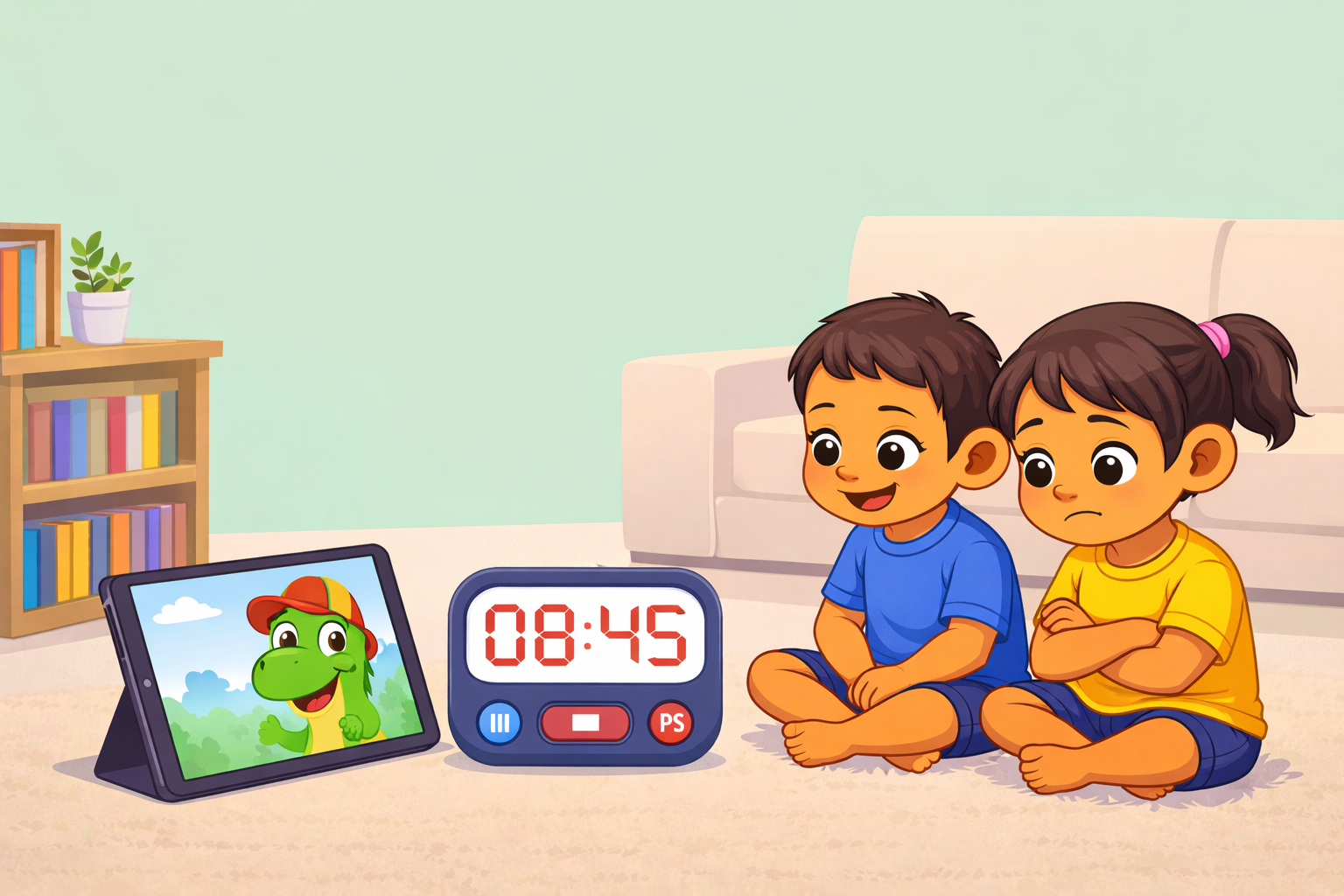
This approach aligns naturally with The Hidden Power of Co-Viewing: Watching Together Builds Connection, where shared presence shapes interpretation.
Encouraging Gratitude Without Forced Positivity
Gratitude can be helpful — but only when it’s authentic. Forced gratitude often increases shame rather than reducing comparison.
Supportive gratitude-building includes:
Reflecting on what feels good today
Sharing favorite moments instead of possessions
Modeling appreciation without comparison
This keeps gratitude grounded in experience, not moral pressure.
Reducing Comparison Through Balanced Media Exposure
Comparison intensifies when children see a narrow slice of life repeatedly. Broadening what kids watch helps normalize diversity in experiences.
Balanced media exposure might include:
Slower-paced, everyday stories
Content showing problem-solving and effort
Characters with varied lifestyles
This balance connects well with How to Choose Safe, Age-Appropriate Media for Kids, where emotional tone matters as much as content.
Helping Kids Build a “Enough” Mindset Over Time
Managing digital comparison isn’t about eliminating envy or desire. It’s about helping children develop a sense of enough — enough fun, enough belonging, enough value.
When kids feel secure, comparison loses its grip. They become more able to enjoy what they have, celebrate others, and trust that they are already okay as they are.
At Fuzzigram, we believe confidence grows from connection, not comparison. With thoughtful guidance and intentional media use, children can learn to navigate a digital world without measuring their worth against what they see on a screen.
This content is for educational purposes and is not a substitute for professional medical or psychological advice.