Managing Screen Time for Multiple Ages at Once
Managing Screen Time for Multiple Ages at Once
Why Multi-Age Screen Time Feels So Complicated
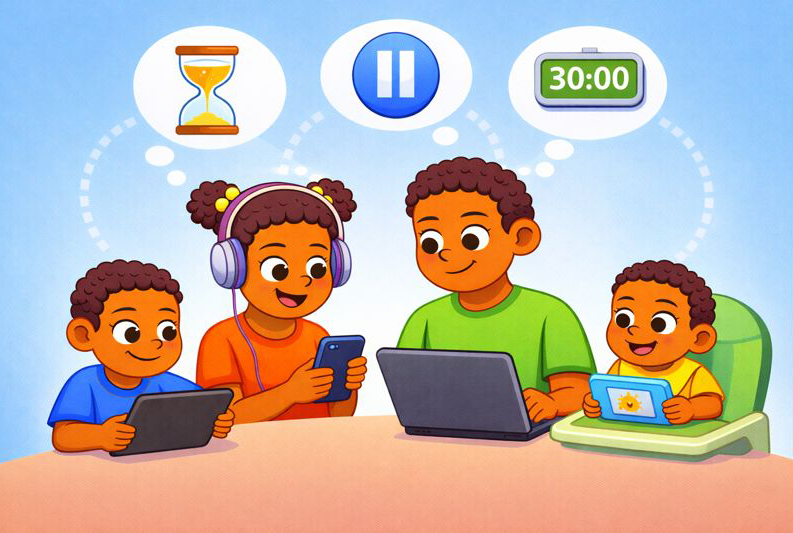
Managing screen time is challenging enough with one child. When siblings span different ages, developmental stages, and needs, it can feel nearly impossible. What’s appropriate for one child may overstimulate another. What feels fair to one may feel deeply unfair to someone else.
The tension usually isn’t about screens themselves — it’s about mismatch. Mismatch in attention spans, emotional regulation, content needs, and independence levels. Families often end up defaulting to the lowest-common-denominator solution or avoiding shared media altogether.
The good news is that managing screen time across ages doesn’t require perfect balance. It requires intentional structure, clear expectations, and flexibility — not one-size-fits-all rules.


Understanding Age-Based Needs Without Comparing Kids
One of the biggest pitfalls in multi-age screen management is comparison. Kids naturally notice differences, even when those differences are developmentally appropriate.
Age-based screen needs often differ because:
Younger kids need slower pacing and supervision
Older kids seek autonomy and challenge
Attention spans vary widely
Emotional regulation develops over time
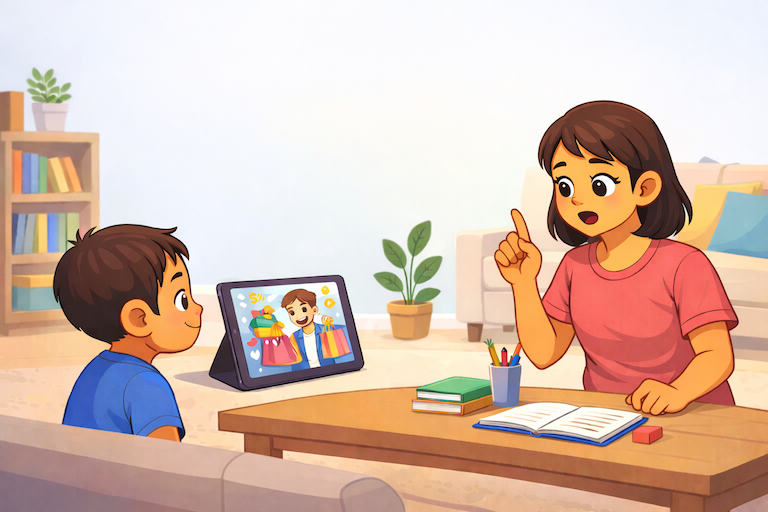
Naming these differences calmly helps kids understand that “different” doesn’t mean “unfair.”
Separating Fairness From Sameness
In multi-age households, fairness rarely looks like equal screen time. Instead, it looks like meeting each child’s needs appropriately.
Fair screen practices may include:
Different time limits by age
Different content expectations
Different levels of independence
When parents explain fairness clearly and consistently, resentment tends to decrease over time.
Choosing Content That Works Across Ages
Shared screen moments are often the most difficult — and the most valuable. Choosing content that works across age ranges reduces conflict and increases connection.
Multi-age-friendly content often:
Has slower pacing
Includes humor at multiple levels
Avoids intense themes or rapid cuts
Allows kids to engage differently
These choices connect naturally with How to Choose Safe, Age-Appropriate Media for Kids, where flexibility supports varied developmental needs.
Using Structure to Reduce Daily Negotiations
Without structure, screen time decisions turn into constant negotiations — especially when kids compare access.
Helpful structures include:
Posted screen schedules
Clear routines tied to time of day
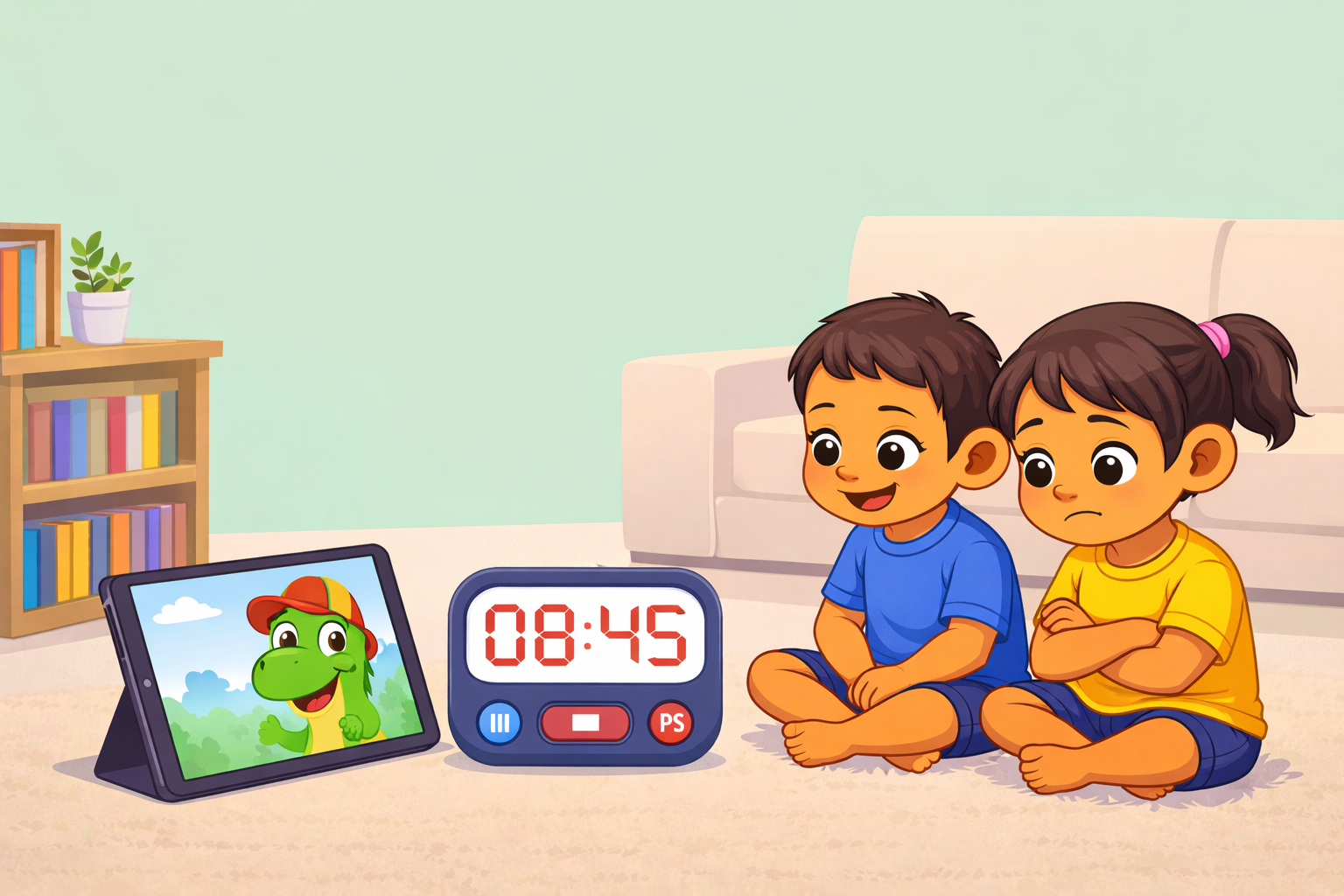
Predictable start and stop points
These systems support principles in How to Create a Family Media Plan That Actually Works, where clarity reduces conflict.
Staggering Screen Use to Meet Individual Needs
Not all screen time needs to happen together. Staggering use can dramatically reduce tension.
Families often stagger by:
Allowing older kids screen time during younger siblings’ naps
Offering shorter, supervised use for younger kids
Using shared screens for family viewing only
This approach gives each child space without turning screens into competition.
Letting Screens Serve Different Roles for Different Ages
Screens don’t have to mean the same thing for every child. For one, they may be entertainment. For another, learning or social connection.
When parents allow screens to serve different purposes by age, kids feel seen rather than restricted. Clear communication around why differences exist helps reduce jealousy and power struggles.
Flexibility here supports long-term self-regulation more than rigid equality ever could.
Supporting Younger Kids During Older Kids’ Screen Time
One of the hardest moments in multi-age homes is when younger children want access during an older sibling’s screen time.
Helpful strategies include:
Offering engaging non-screen activities
Setting clear visual boundaries
Explaining “turns” in advance
These strategies align with Managing Sibling Conflicts Over Devices, where structure lowers emotional intensity.
Creating Shared Screen Moments That Build Connection
Shared media experiences don’t need to meet everyone’s needs perfectly to be meaningful.
Families can create connection by:
Watching together occasionally
Talking about what each child noticed
Letting kids engage at their own level
These moments reflect ideas in The Importance of Shared Media Experiences, where connection matters more than perfect alignment.
Modeling Flexibility and Respect as Parents
How parents talk about screen differences sets the emotional tone. When adults stay calm and respectful, kids follow.
Helpful modeling includes:
Avoiding apologetic explanations
Staying consistent across days
Acknowledging feelings without changing plans
This modeling teaches kids that boundaries can coexist with understanding.
Creating a System That Grows With Your Family
Multi-age screen management isn’t static. As kids grow, their needs — and perceptions of fairness — will change.
Families who succeed long-term often:
Revisit expectations regularly
Adjust access gradually
Involve kids in conversations as they mature
When families design systems that honor differences instead of fighting them, screens become easier to manage — and far less stressful for everyone.
This content is for educational purposes and is not a substitute for professional medical or psychological advice.